Look for units where bedrooms are well-separated, preferably not all clustered together. Check sound insulation between rooms, whether there are multiple bathroom facilities, and if common areas allow for both social interaction and private space. Consider the unit's layout for natural privacy zones.
HDB estates periodically undergo upgrading works that can last months. This includes lift upgrading, facade improvements, and infrastructure updates. Renovation noise from neighbors is also common and allowed during specific hours (usually 9am-6pm on weekdays). Check if any major upgrading works are planned for your block before signing a lease.
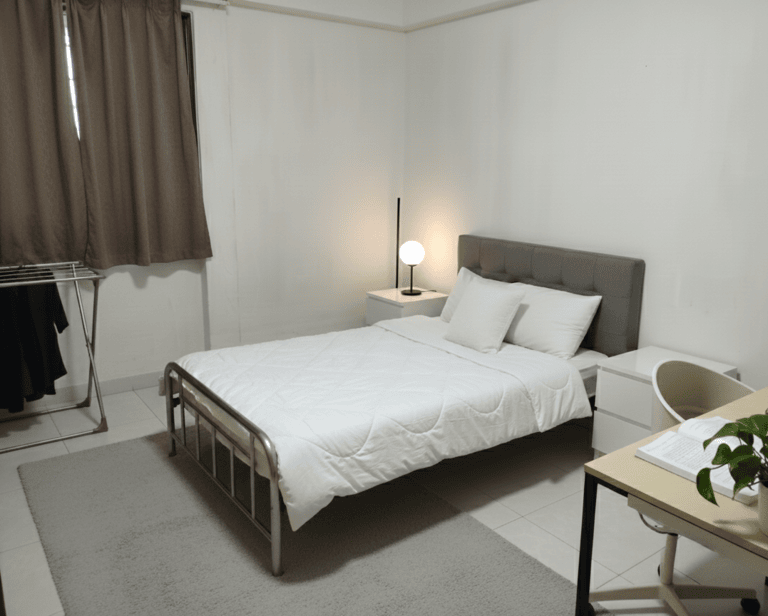
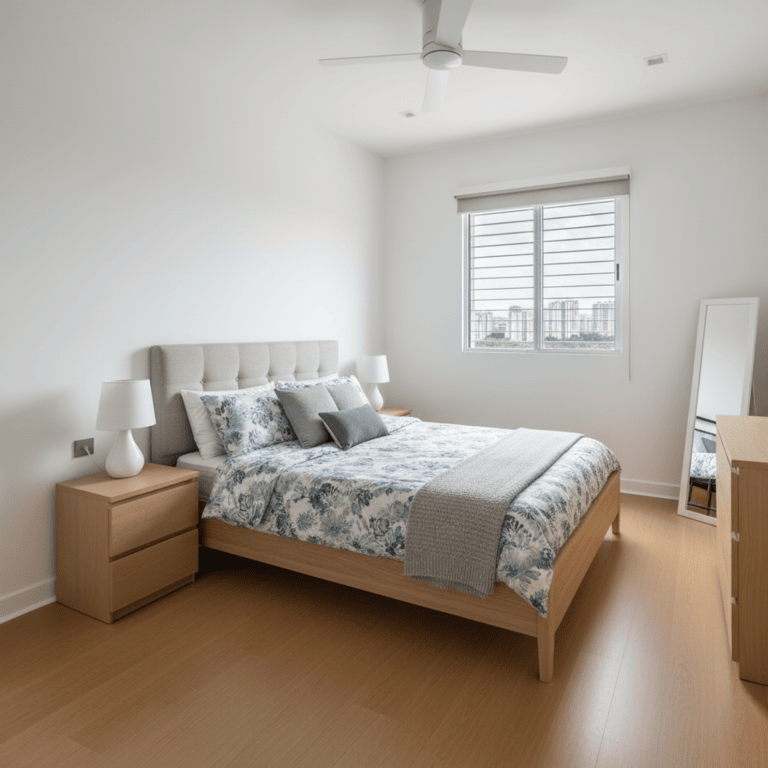
Common rooms may cost up to 40% less than master rooms in the same property. The savings come from smaller size and shared bathroom access. However, factor in potential inconvenience costs like needing backup toiletries or adjusting your schedule around bathroom availability. For budget-conscious renters, the savings often justify the trade-offs.
Furnishing a 4-bedroom requires more furniture (beds, sofas, tables, etc.), so budget and plan accordingly. You can furnish gradually room by room. Cleaning is also a bigger job – more floor space, more bathrooms, more surfaces to wipe. Expect to spend extra time on chores or consider hiring help. It's wise to clean in zones (a room or area each day) so it's manageable.
Yes, but you need to plan your space carefully. Dedicate a corner for a small desk (or a foldable wall-mounted desk)6}. Use a shelf or curtain to separate your “office” from your bed. Having that defined work zone helps you focus in a studio.
Many 3-bedroom units include a small service yard or utility area near the kitchen for laundry. It’s basically space for a washing machine and to hang clothes. Not all layouts have this, so check the floor plan. If a listing mentions a 'yard' or utility room, that usually means there’s a dedicated laundry area.
Clarify which accounts must be in your name and how meter readings are recorded at handover. Photograph readings and sockets you’ll use heavily. Schedule installation visits early so internet and power changes don’t disrupt your first week routines.
Consider your family's growth plans and changing needs over the lease period. Evaluate room sizes for current and future occupants, proximity to schools and family-friendly amenities, and whether the layout supports aging in place. Factor in the total cost of ownership including utilities, maintenance, and potential rent increases. Choose a location that balances space needs with commute convenience and community resources.