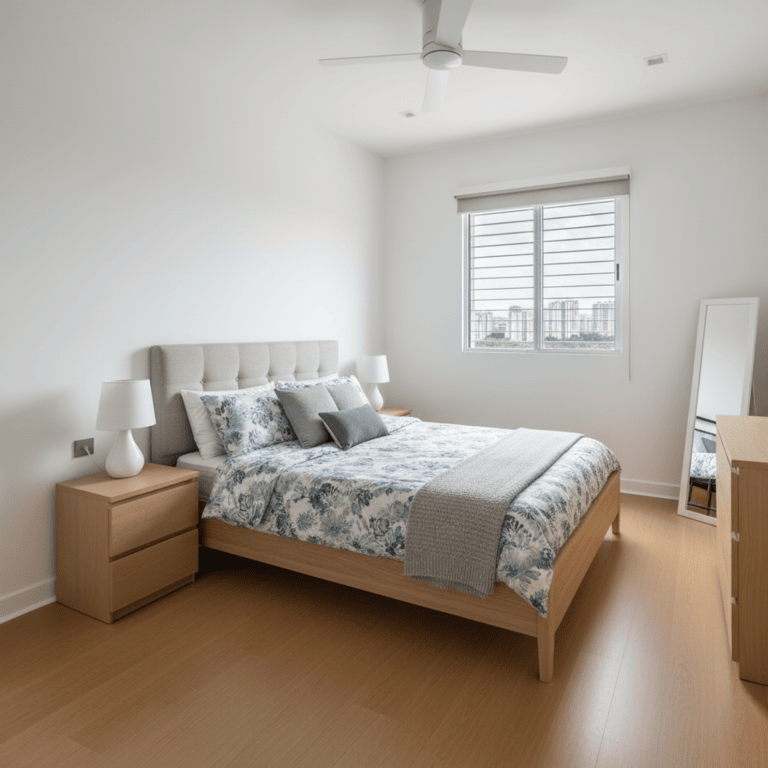
2-bedroom units typically cost 60-80% more than 1-bedroom units, but when shared between two people, can be more economical per person than individual studios. Factor in additional costs like higher utility bills with more space to cool and light. Consider whether the extra space and privacy justify the higher cost for your lifestyle and budget.
Landed houses often have helper's quarters or space for live-in domestic help. Clarify with your landlord whether you can employ helpers, if there are designated helper areas, and what additional costs or responsibilities this entails. Understand helper accommodation standards, work permit requirements, and whether helper facilities like separate bathrooms or kitchens are included in your rental.
Living alone can be isolating, so actively build social connections through neighborhood activities, building events, co-working spaces, or hobby groups. Consider inviting colleagues or friends over regularly, join community centers or sports clubs nearby, and maintain regular contact with family and friends. Balance the privacy benefits of solo living with intentional social engagement.
Condo living offers natural opportunities to meet neighbors through shared facilities like pools, gyms, and BBQ areas. Be respectful of facility rules and considerate of others' usage. Participate in condo events or activities if available. However, respect privacy - some residents prefer minimal interaction. Building good relationships can lead to helpful neighbors and a more pleasant living experience.
Use multi-functional furniture like storage beds, extendable dining tables, and wall-mounted desks. Create defined zones with room dividers or furniture placement. Utilize vertical storage, under-stair spaces, and consider whether the living area can double as a workspace or guest room when needed.
Usually, but not always. Some ‘master’ rooms share a bathroom. Confirm if it’s attached, exclusive, and ventilated, and check water pressure, heater type, and any morning queue issues.
Open kitchens feel social and spacious but spread cooking smells. Closed kitchens contain noise and grease better. Think about your cooking style, ventilation, and how often you host. The right choice depends on whether you prioritize openness or cleanup ease.
Use the additional space for a work area, reading nook, or exercise space. Consider whether you need all the space for bedroom functions or can create multiple zones. The extra room allows for larger furniture pieces, more storage, or simply a less cramped living environment.