Look for persistent damp smells, water stains, mold, warped wood, peeling paint, pest traces, and poor ventilation. Test taps, appliances, windows, and locks. If something seems off or the landlord avoids answering questions, consider it a red flag.
Condos usually have special move-in procedures. Expect lift bookings with protective padding and refundable deposits. Paperwork may include forms and ID copies. Schedule deliveries within approved windows and keep receipts. Planning this early avoids movers waiting downstairs while approvals are sorted last minute.
At move-in, note any existing damage (take photos) and inform the landlord immediately so you’re not held liable. At move-out, return the home in the same condition: clean thoroughly, fix any minor damage you caused, and ensure all items are returned. This way you should get your deposit back.
Use multi-functional furniture and vertical space. For example, a bed with drawers underneath or shelves up high on the walls adds storage without taking floor space. Declutter regularly and use hidden storage (like ottomans or coffee tables with compartments) to keep your studio organized.
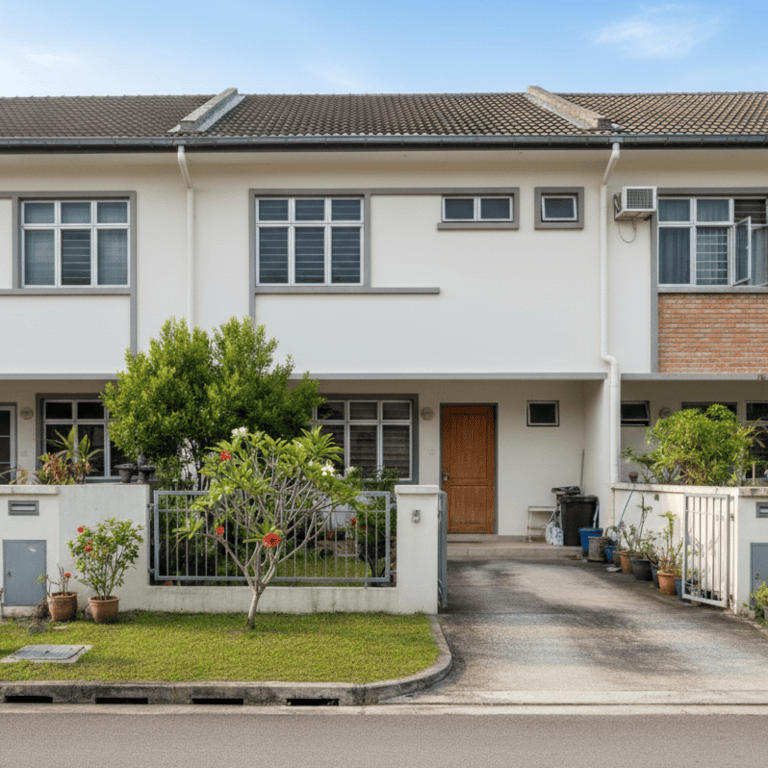
HDB flats are government-built public housing with practical layouts and affordable rent, but fewer amenities. Condominiums are private developments with facilities like pools and gyms, but higher rent and management fees. Landed houses offer the most space and privacy with gardens, but are the most expensive and may be further from public transport. Each serves different lifestyle needs and budgets.
No private pools or gyms, but you’ll find community clubs, sports centres, and public pools nearby. Many tenants prefer the neighbourhood feel and everyday convenience.
Yes, condo facilities often have rules and booking systems. For example, certain amenities like the BBQ pit or function room must be reserved with management in advance. These facilities also have specific rules like fixed time limits and cleanup requirements. Meanwhile, the pool or gym generally don’t require booking, but they have set hours and basic usage guidelines.
HDB living means thinner walls, so noise travels easily between units and rooms. Be considerate with music, phone calls, and movement during quiet hours. Cooking smells can also spread quickly - use exhaust fans and keep doors closed when cooking strong-smelling food. The close-knit community feel means neighbors often know each other, which can be comforting but also means less anonymity.