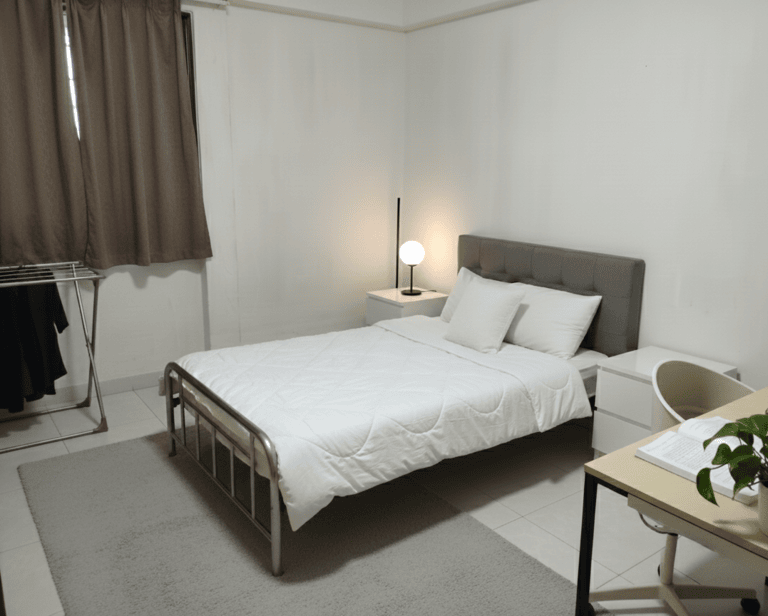
Condos usually have special move-in procedures. Expect lift bookings with protective padding and refundable deposits. Paperwork may include forms and ID copies. Schedule deliveries within approved windows and keep receipts. Planning this early avoids movers waiting downstairs while approvals are sorted last minute.
1-bedroom units offer better entertaining space than studios with separate living areas. However, overnight guests may need to use a sofa bed in the living room. Consider the bathroom situation - ensure guests don't need to go through your bedroom to access facilities. The kitchen size may limit your ability to cook for larger groups.
With 4 bedrooms, you likely have multiple occupants requiring good communication systems. Consider shared calendars for bathroom schedules, cleaning rotations, and common area usage. Establish house rules early about guests, noise levels, and shared resource usage. Regular house meetings help address issues before they become conflicts. Clear labeling of personal items in shared spaces prevents confusion.
In a landed house, residents handle all the cleaning. Large spaces (living rooms, kitchen, stairs) mean more work, so housemates should set a chore routine or hire a cleaner together. Agreeing on who cleans what (and when) keeps the big home comfortable for everyone.
Agree on clear house rules with your flatmates early. Clarify quiet hours, overnight guests, cooking frequency, kitchen use, fridge space, and laundry timing. Discuss cleaning expectations for kitchen and bathrooms. Check rules about smoking or pets. Setting these expectations from the start helps prevent conflicts and keeps everyone comfortable.
Take advantage of amenities to justify higher rent costs. Use the gym instead of paying for external memberships, utilize the pool for exercise and relaxation, and book function rooms for gatherings. Many condos offer additional services like concierge, dry cleaning pickup, or maintenance services. Factor these conveniences into your rental value assessment.
HDB units offer excellent value for families with practical layouts and nearby amenities like schools, clinics, and childcare. The strong community environment provides social support networks. Playgrounds and void decks offer safe spaces for children. However, consider space constraints in newer flats and noise from neighbors due to closer proximity than landed houses.
Yards need care. Ask if the landlord handles gardening or if tenants must do it. You might be expected to do basics like watering plants or mowing the lawn. If you share the house, agree on a plan so the outdoor space is maintained without overburdening anyone.