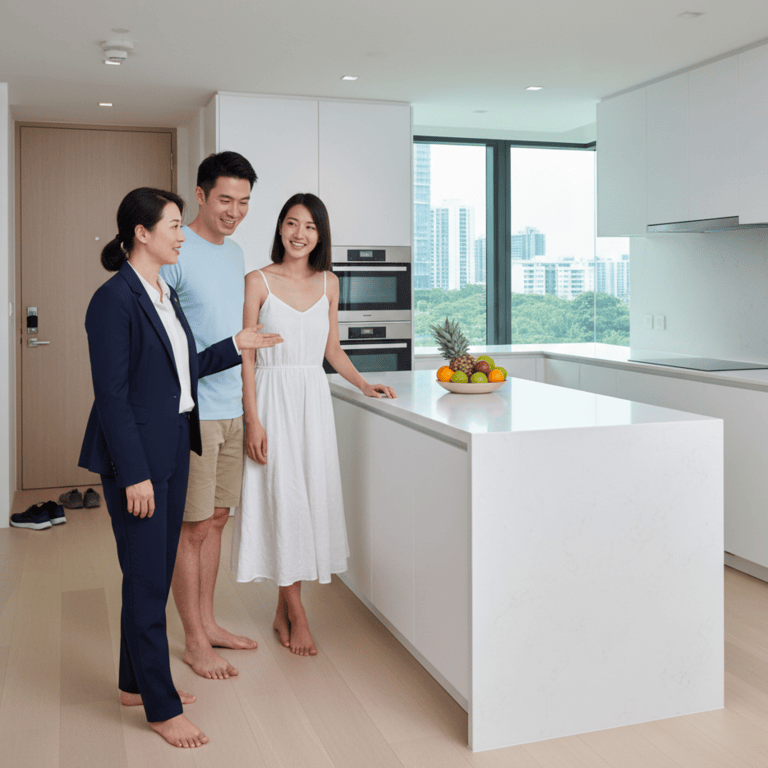
Usually yes, but it’s important to clarify the rules. Ask your landlord or flatmates about kitchen use: Can you cook full meals anytime or is it “light cooking only”? Also, check how fridge space is shared. Make sure you clean up after using the kitchen (wash your dishes, wipe the stove) as a courtesy. As long as everyone respects common areas, you should be able to use the kitchen and store your groceries in the fridge without issue.
Generally, yes. Landed homes are often in quieter residential areas, so public transport might be a longer walk away. If you don’t drive, check how close the nearest bus stop or MRT is. You’re gaining a quiet environment but giving up some convenience of easy transport access.
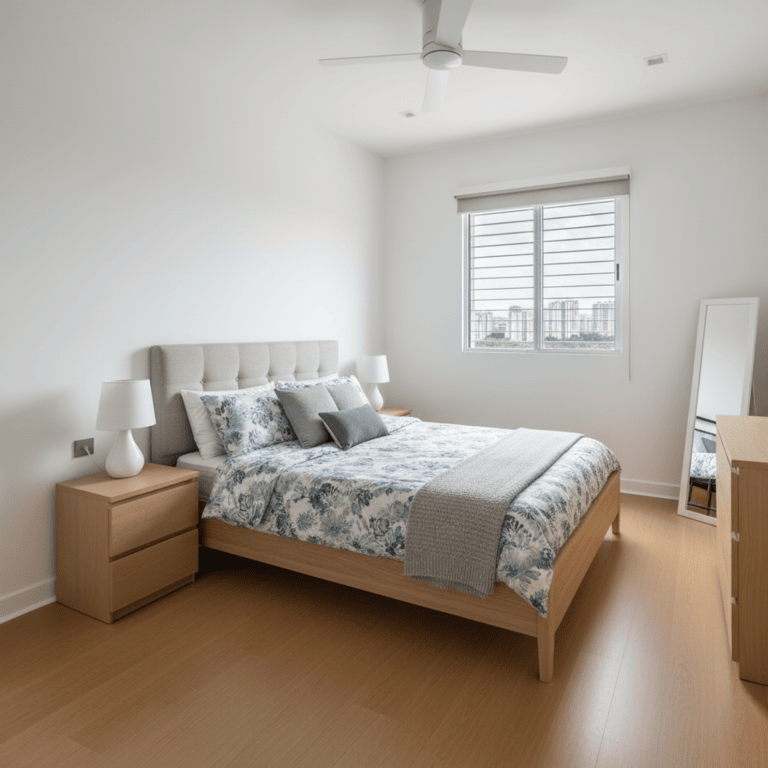
Moving to a master room means adjusting to more space, privacy, and responsibility. You'll have your own bathroom to maintain, potentially higher utility bills, and may be expected to take more household coordination responsibilities. Consider whether you're ready for the lifestyle change, can afford the premium, and want the additional privacy. The transition often comes with both benefits and increased expectations from landlords and housemates.
HDB regularly upgrades older estates with new lifts, facades, or facilities. While improvements are beneficial long-term, they can cause temporary noise, dust, and access disruptions. Check if any upgrading is planned during your lease period and how it might affect your daily routine and rent.
Many require a booked timeslot for lift padding and may collect a refundable deposit. Confirm required forms, booking windows, and whether your landlord handles them. Plan deliveries to match the approved window so movers aren’t turned away unexpectedly.
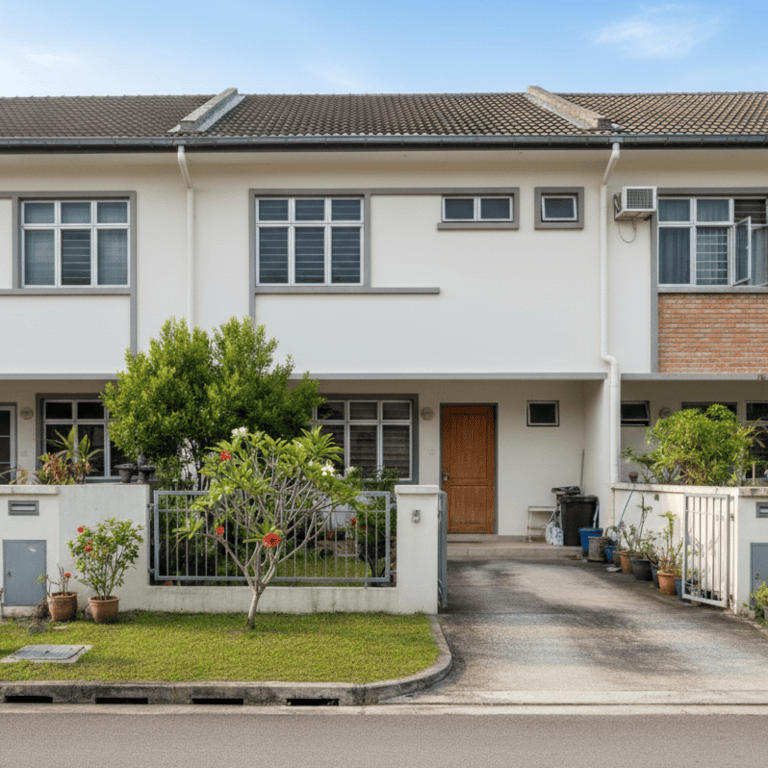
You’ll likely enjoy space, privacy, and potential outdoor areas. You won’t share walls or floors with neighbors, so noise is less of an issue. It suits families, pet owners, or hobbies needing storage. In return, expect more maintenance involvement. Clarify responsibilities for gardens, drains, and exterior checks before signing the agreement.
Studio entertaining requires creativity due to limited space. Use folding furniture and multi-purpose items to accommodate guests. Consider the noise impact on neighbors in compact buildings. Overnight guests will need to sleep in your main living space, which affects your privacy. Plan gatherings during times when space can be reconfigured for socializing.
Compare price per square foot with similar units, factor in included utilities and amenities, and consider location convenience. A slightly higher rent might be worth it for better layout, natural light, or building facilities. Consider long-term costs like transportation and whether the space meets your actual needs.