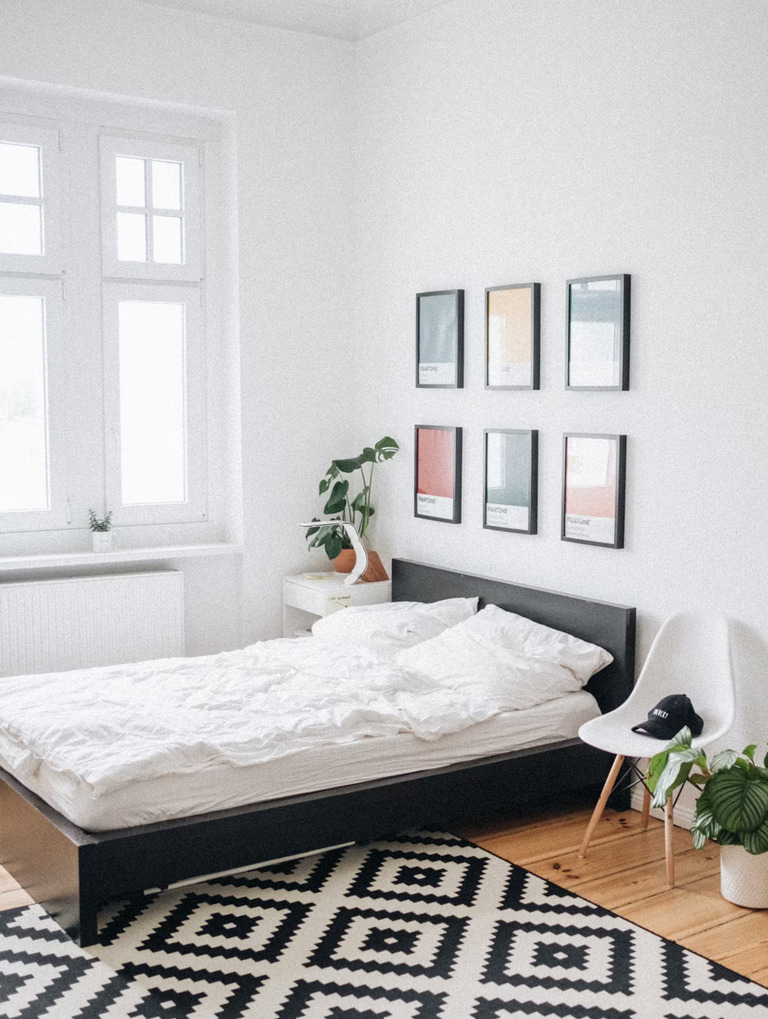
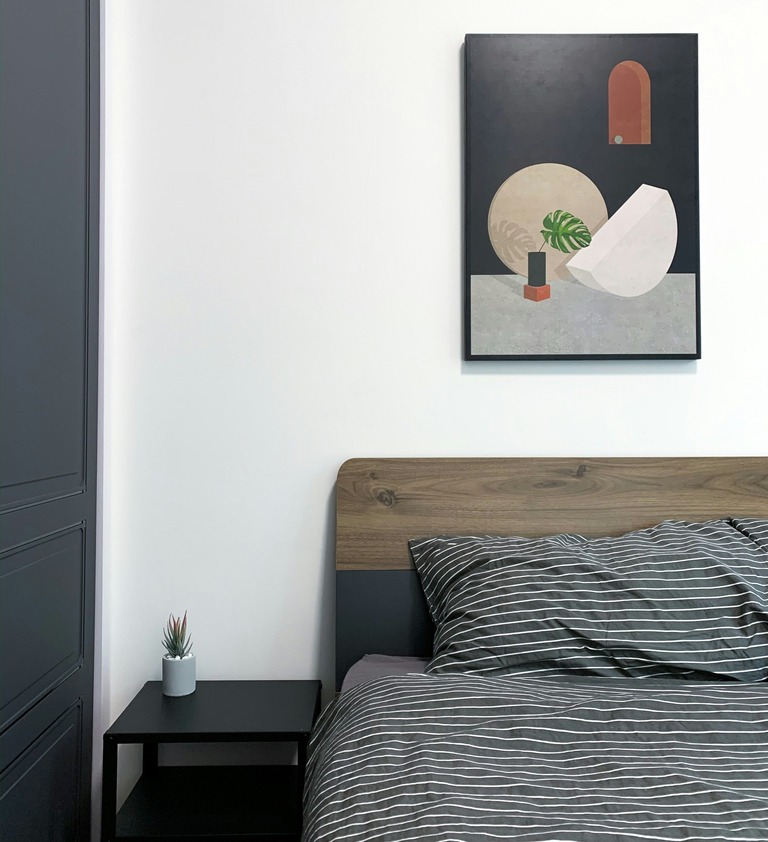
A lot of 1-bedroom units have small bedrooms. A queen-size bed usually fits, but a king-size might be a tight squeeze. With a king, you might have little room left for bedside tables or a dresser. Always check the room dimensions beforehand to ensure you can still move around comfortably.
Keep drains clear, cover bins, and avoid standing water in trays or pots. Check window screens and door seals. Store food in sealed containers. Trim bushes and grass regularly to reduce hiding spots for pests, and consider periodic pest control if the area is prone to bugs.
HDB flats open onto a common corridor. If your unit is along a corridor with neighbors walking by, you might need to keep your gates or curtains closed at times for privacy. Corner or end units offer a bit more seclusion since fewer people pass your door. When viewing a flat, notice the corridor layout – if the windows or door face a busy walkway, plan on using curtains/blinds for privacy. It’s a different feel from a private condo, but most residents get used to it.
Measure wardrobe depth, check for full-length hanging, and look for shelves that suit daily items. Visualize bed placement, door swing, and airflow. Make sure a desk or cot fits without blocking pathways or covering sockets and switches.
Check window seals and drainage before rainy season starts. Ensure you have adequate ventilation to prevent mold in humid conditions. Stock up on dehumidifiers or moisture absorbers. Know how to operate all fans and air-con units efficiently. Test that umbrellas and rain gear are accessible, and understand evacuation procedures if your area is flood-prone.
Corner units typically offer better ventilation, more natural light, additional windows, and sometimes larger layouts. They may also have less shared walls with neighbors, providing more privacy. However, they might be more expensive and could be noisier if facing main roads or having more external exposure.
Landed houses may have multiple entry points, ground-level access, and outdoor areas requiring different security considerations. Check all locks, consider motion sensors or security systems, and understand neighborhood security patterns. Establish routines for securing the property and coordinate with neighbors if appropriate.
Landed houses often have helper's quarters or space for live-in domestic help. Clarify with your landlord whether you can employ helpers, if there are designated helper areas, and what additional costs or responsibilities this entails. Understand helper accommodation standards, work permit requirements, and whether helper facilities like separate bathrooms or kitchens are included in your rental.