Run taps and flush toilets to check water pressure (and watch for leaks). Turn on lights, fans, and air-con to ensure they work. Test any provided appliances as well. Check walls and ceilings for water stains or mold. Note any problems and have the landlord address them before move-in. Photograph any defects and attach them to the inventory to avoid end-lease disputes.
Take advantage of amenities to justify higher rent costs. Use the gym instead of paying for external memberships, utilize the pool for exercise and relaxation, and book function rooms for gatherings. Many condos offer additional services like concierge, dry cleaning pickup, or maintenance services. Factor these conveniences into your rental value assessment.
Ask about work schedules, sleep schedules, social habits, cleanliness, and how issues are handled. If one of you is very neat and the other more casual, it could cause friction. Observe fridge organization, sink state, and bathroom tidiness during viewing. Look for someone whose daily routine and approach to shared living align well with yours. Trust your instincts – feeling comfortable with their personality is a good sign.
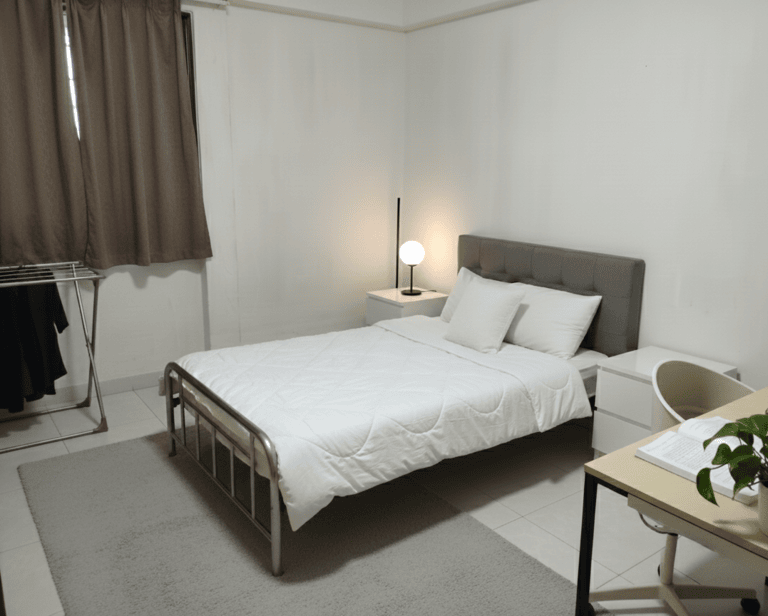
Measure wardrobe depth, check for full-length hanging, and look for shelves that suit daily items. Visualize bed placement, door swing, and airflow. Make sure a desk or cot fits without blocking pathways or covering sockets and switches.
Landed houses often have helper's quarters or space for live-in domestic help. Clarify with your landlord whether you can employ helpers, if there are designated helper areas, and what additional costs or responsibilities this entails. Understand helper accommodation standards, work permit requirements, and whether helper facilities like separate bathrooms or kitchens are included in your rental.
Furnishing a 4-bedroom requires more furniture (beds, sofas, tables, etc.), so budget and plan accordingly. You can furnish gradually room by room. Cleaning is also a bigger job – more floor space, more bathrooms, more surfaces to wipe. Expect to spend extra time on chores or consider hiring help. It's wise to clean in zones (a room or area each day) so it's manageable.
Make sure all friends are named on the lease so everyone is equally responsible. Agree clearly on how to split rent and bills, and set basic house rules early on to avoid misunderstandings. Also decide what happens if someone moves out before the lease ends, since you’re all responsible together.
Yes, if you coordinate meeting times, choose a call zone, and use headphones. Ask about desk space in communal areas and quiet hours for focus. A shared calendar prevents overlapping calls echoing through thin doors or hallways.