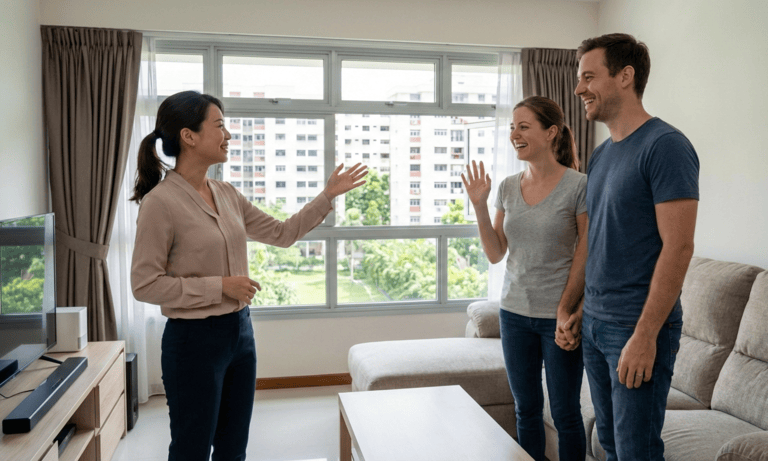
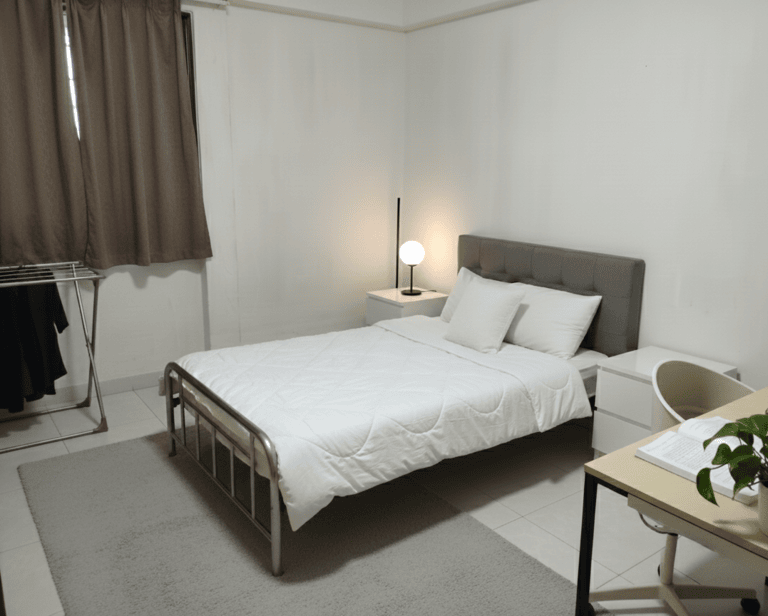
Go furnished for convenience and lower upfront setup, but inspect furniture condition and note wear expectations. Choose unfurnished for flexibility and hygiene control, factoring in delivery time, storage needs, and the effort to move items at lease end. It really depends on whether you have furniture and want to customize the space or prefer a move-in-ready setup.
Condos usually have special move-in procedures. Expect lift bookings with protective padding and refundable deposits. Paperwork may include forms and ID copies. Schedule deliveries within approved windows and keep receipts. Planning this early avoids movers waiting downstairs while approvals are sorted last minute.
Create zones with rugs, shelving, and lighting changes. Use furniture placement to carve out separate areas. For example, a shelf or screen can divide your bed from the rest of the space. Try to group your bed, sofa, and desk separately, so sleeping, relaxing, and working each have their own corner in the room.
Learn the visitor registration system, understand security procedures for guests, and know the protocols for deliveries and service personnel. Some condos have strict visitor policies, time restrictions, or require advance registration. Ensure your guests understand and follow building security requirements.
Sharing reduces rental costs and can provide companionship, but requires compatibility and clear agreements about shared spaces, expenses, and lifestyle habits. Consider whether both bedrooms are equally desirable, how to split utility costs fairly, and what happens if one person wants to move out early.
Look for layouts where bedrooms don't directly face each other for better privacy. Check if both bedrooms have windows for natural light and ventilation. Consider whether the kitchen is open or closed to the living area - open kitchens feel spacious but cooking smells spread. Ensure there's adequate storage throughout the unit, not just in bedrooms.
Living alone means being prepared for emergencies like power outages, water leaks, or medical issues. Keep emergency contacts readily available, know your building's security and maintenance procedures, maintain a basic first aid kit, and establish check-in routines with family or friends. Know your neighbors and building management for urgent situations when you can't reach your landlord.
2-bedroom units typically cost 60-80% more than 1-bedroom units, but when shared between two people, can be more economical per person than individual studios. Factor in additional costs like higher utility bills with more space to cool and light. Consider whether the extra space and privacy justify the higher cost for your lifestyle and budget.