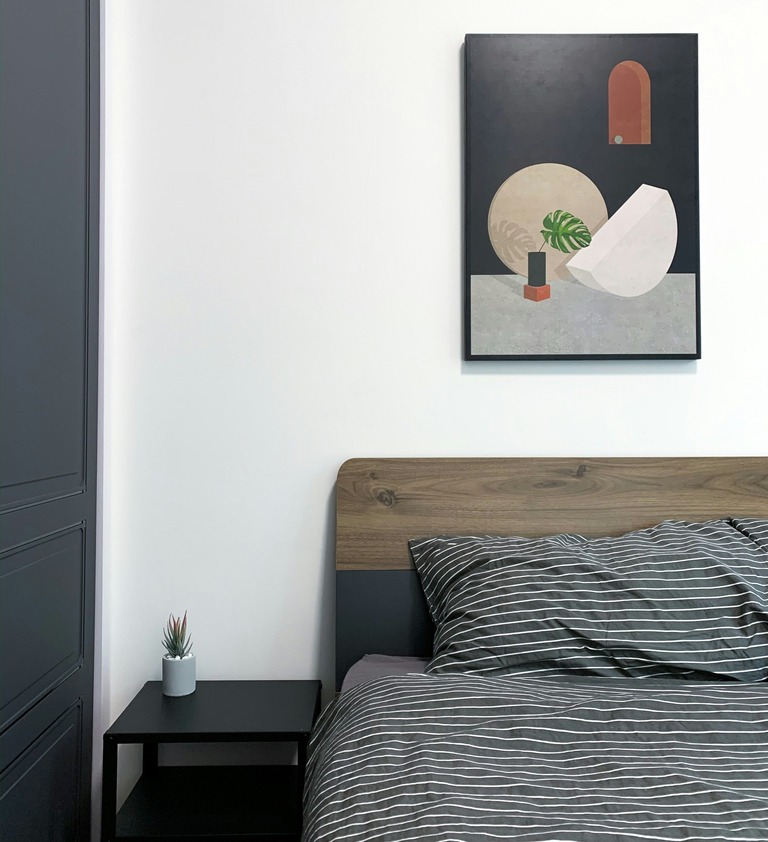
Compare total costs including utilities, factor in privacy benefits and not having to share common areas with housemates. Consider whether the studio's location, amenities, and independence justify potentially higher costs than a room rental. Think about your lifestyle preferences and need for personal space.
Learn the visitor registration system, understand security procedures for guests, and know the protocols for deliveries and service personnel. Some condos have strict visitor policies, time restrictions, or require advance registration. Ensure your guests understand and follow building security requirements.
Yes, many couples rent master rooms. If you’re a couple, confirm with the landlord that two people are allowed in that room (most masters are fine for couples, but some landlords set limits). Consider that as a couple, you’ll likely use more utilities – discuss with your housemates or landlord how the utility split is handled for two people. Also, ensure the master room has enough space and storage for both of your belongings. Privacy-wise, a master is great since you have your own bathroom and more space, which suits a couple’s needs. Just be open about being a pair so everyone in the household is aware and okay with it.
Condos have by-laws residents must follow. Common rules cover noise (quiet hours), visitor sign-ins, proper garbage disposal, and use of shared facilities. Ask your landlord about any specific condo rules. Abiding by them will keep you out of trouble with management and neighbors.
Moving to a master room means adjusting to more space, privacy, and responsibility. You'll have your own bathroom to maintain, potentially higher utility bills, and may be expected to take more household coordination responsibilities. Consider whether you're ready for the lifestyle change, can afford the premium, and want the additional privacy. The transition often comes with both benefits and increased expectations from landlords and housemates.
Master rooms offer more privacy for hosting but require coordination with housemates about guest policies. Clarify overnight guest limits, shared area usage when you have visitors, and whether guests can use common facilities. Be considerate about noise levels and bathroom queue times when hosting. Your ensuite provides privacy but ensure guests understand house rules and respect other tenants' space.
Expect a quieter, more suburban lifestyle with potentially longer commutes to city centers. You'll have more space and privacy but fewer nearby amenities compared to HDB or condo living. The pace is generally slower, with more responsibility for property upkeep. Consider whether you prefer the space and tranquility over urban convenience and connectivity.
Yes, but requires planning. The separate bedroom allows one person to sleep while the other works or watches TV in the living area. Consider blackout curtains and sound management. Some couples prefer open-plan studios for togetherness, while others need the bedroom separation for different sleep schedules or work-from-home arrangements.