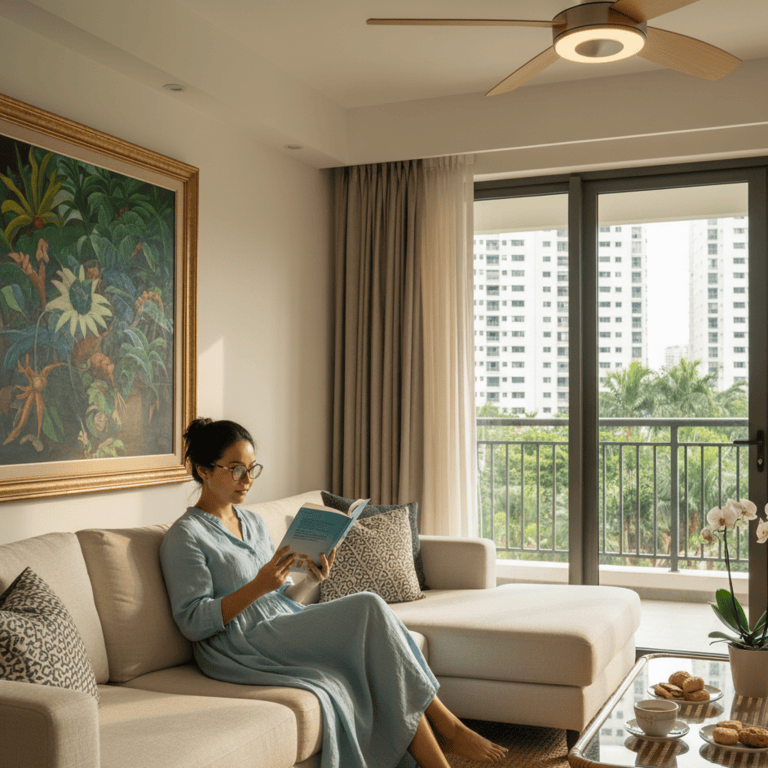
Moving to a master room means adjusting to more space, privacy, and responsibility. You'll have your own bathroom to maintain, potentially higher utility bills, and may be expected to take more household coordination responsibilities. Consider whether you're ready for the lifestyle change, can afford the premium, and want the additional privacy. The transition often comes with both benefits and increased expectations from landlords and housemates.
Condos often have specific rules about tenant behavior, pet policies, noise restrictions, and guest limitations. Some prohibit short-term rentals, have strict move-in procedures, or limit the number of occupants. Understand parking allocations, facility usage rights, and any restrictions on modifications. Violating condo rules can affect your tenancy even if your landlord approves certain activities.
Choose multi-functional furniture like a loft bed with desk underneath or storage ottomans. Use mirrors to create illusion of space and maximize natural light with light-colored curtains. Vertical storage solutions like wall-mounted shelves save floor space. Keep the room clutter-free and consider a small fan for better air circulation if the room feels stuffy.
Know your landlord's emergency contact and preferred repair service providers. For urgent issues like water leaks or electrical problems, act quickly to prevent damage and notify your landlord immediately. Keep receipts for emergency repairs - some landlords reimburse reasonable emergency costs. Understand what constitutes an emergency versus routine maintenance that can wait.
Condo living offers natural opportunities to meet neighbors through shared facilities like pools, gyms, and BBQ areas. Be respectful of facility rules and considerate of others' usage. Participate in condo events or activities if available. However, respect privacy - some residents prefer minimal interaction. Building good relationships can lead to helpful neighbors and a more pleasant living experience.
More space means more maintenance responsibilities. Budget extra time and money for cleaning, air-con servicing for multiple units, and potential repairs across more rooms. Consider hiring help for regular cleaning or establish clear maintenance schedules if sharing. More space also means higher wear and tear on common areas.
When relocating from overseas, arrange virtual viewings through video calls, request detailed photos and floor plans, and consider hiring a local representative for in-person viewings. Time viewings carefully around your arrival date, and prepare to make quick decisions in Singapore's fast-moving market. Have all required documents ready digitally, and consider temporary accommodation for your first few weeks to allow for proper in-person viewing before committing long-term.
Condo management committees can make decisions about facility usage, renovation rules, and additional charges that affect tenants. While you can't vote, stay informed about upcoming decisions through your landlord. Major changes like facility closures or new rules may impact your rental experience. Good landlords will communicate these changes and their implications.