Check window seals and drainage before rainy season starts. Ensure you have adequate ventilation to prevent mold in humid conditions. Stock up on dehumidifiers or moisture absorbers. Know how to operate all fans and air-con units efficiently. Test that umbrellas and rain gear are accessible, and understand evacuation procedures if your area is flood-prone.
Ask whether pets are allowed, any size or breed restrictions, and cleaning expectations before move out. Disclose allergies or sensitivities early. If you need small modifications, like childproof latches, get written consent and agree on reinstatement responsibilities.
Master rooms command premium rent due to size and ensuite access. Research comparable listings to understand market rates. Consider negotiating longer lease terms for rent stability, or ask about inclusive utility caps to manage higher consumption costs. Some landlords offer furnished master rooms - evaluate if the premium is worth the convenience.
Condos often run entirely on electricity (no city gas), so heavy air-con or hot water use can push up the power bill. Expect to split utilities—electricity, water, internet—with housemates. Clarify your share and which bills are included in your rent to avoid surprises.
Clarify responsibility for mowing, pruning, sweeping, and bin management. Agree on weed control and handling of fallen leaves after storms. If a gardener is included, confirm frequency and scope. Outdoor upkeep keeps pests down and protects your deposit.
Research comparable listings to understand market rates before negotiating. Be prepared to make quick decisions as good properties move fast. Consider offering longer lease terms for rent discounts, or ask for inclusions like utilities or internet. Present yourself as a reliable tenant with references and proof of income. Avoid lowball offers that might offend landlords.
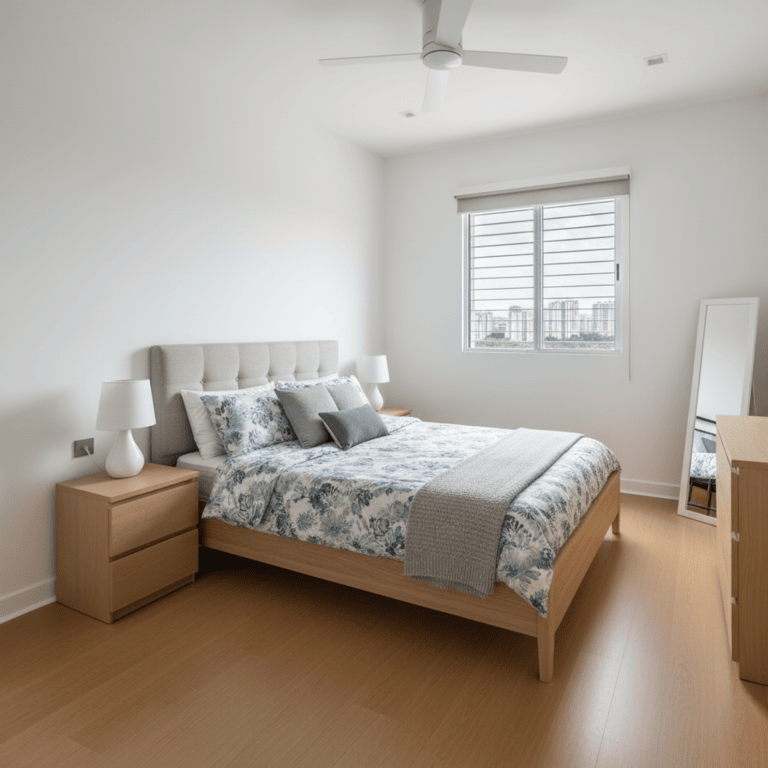
Use the additional space for a work area, reading nook, or exercise space. Consider whether you need all the space for bedroom functions or can create multiple zones. The extra room allows for larger furniture pieces, more storage, or simply a less cramped living environment.
Place your desk in the living area and keep the bedroom for sleep. Close the bedroom door for mental separation. Good habits around screen time help the space feel restful after hours.