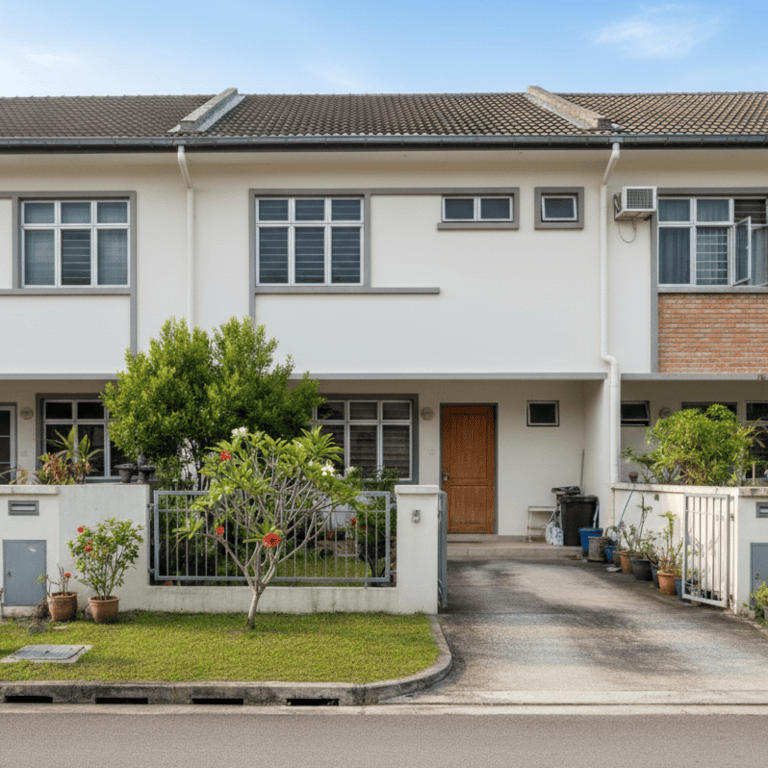
Pros include spacious living, private outdoor space, parking, and quiet neighborhoods. Cons include higher costs, longer commutes to city centers, more maintenance responsibilities, and potentially fewer international amenities nearby. Consider proximity to international schools, expat communities, and whether the space justifies the premium over condos with more services.
Deposits are security against damage and unpaid bills, usually returned after handover if conditions are met. Read the break clause carefully, including notice requirements, potential fees, and whether a replacement tenant is allowed. Keep everything documented and dated.
Living alone can be isolating, so actively build social connections through neighborhood activities, building events, co-working spaces, or hobby groups. Consider inviting colleagues or friends over regularly, join community centers or sports clubs nearby, and maintain regular contact with family and friends. Balance the privacy benefits of solo living with intentional social engagement.
Sharing with 3+ roommates requires clear agreements about shared spaces, cleaning schedules, utility splits, and house rules. Consider personality compatibility, lifestyle habits, and how to handle conflicts. Establish guidelines for common areas, guest policies, and what happens if someone moves out mid-lease.
Research the area's safety record, future development plans, and property value trends. Check proximity to essential services like hospitals, schools, and shopping centers. Evaluate public transport connectivity and traffic patterns during peak hours. Consider the community demographics and whether the neighborhood aligns with your lifestyle preferences and long-term plans.
Compare price per square foot with similar units, factor in included utilities and amenities, and consider location convenience. A slightly higher rent might be worth it for better layout, natural light, or building facilities. Consider long-term costs like transportation and whether the space meets your actual needs.
You need to plan beyond just monthly rent. Budget for your security deposit, utility bills (electricity, water, gas), internet, and any regular maintenance or air-con servicing costs. Also factor in moving expenses and possible agent fees.
1-bedroom units often share walls with neighbors, so consider sound insulation when choosing. Units facing busy streets or playgrounds may have more noise. Check if bedrooms share walls with neighbors' living areas or bathrooms. Corner units typically offer better privacy and less noise from neighbors, though they may cost slightly more.