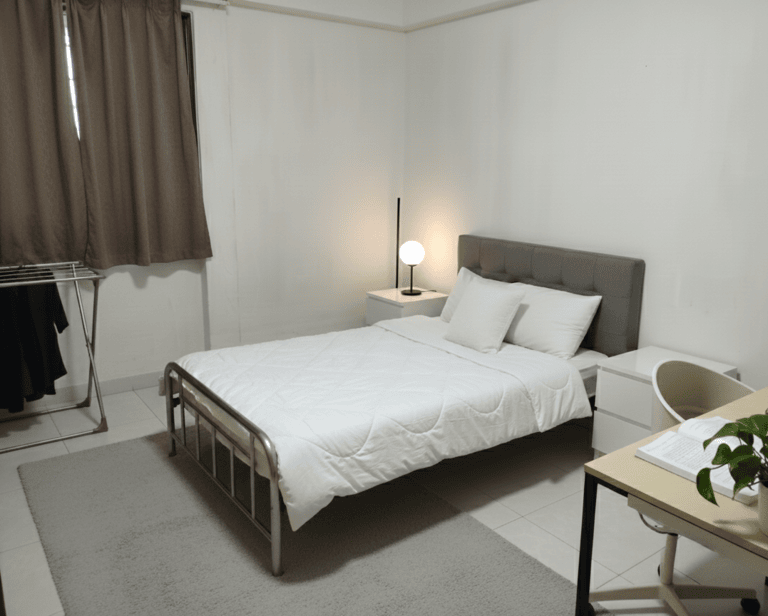
Generally, HDB flats are most affordable, condominiums cost 30-50% more than comparable HDB units, and landed houses are the most expensive. However, prices vary significantly by location - a prime location HDB might cost more than a suburban condo. Factor in additional costs like condo maintenance fees, landed house utilities, and transport expenses when comparing total housing costs.
Corner units typically offer better ventilation, more natural light, additional windows, and sometimes larger layouts. They may also have less shared walls with neighbors, providing more privacy. However, they might be more expensive and could be noisier if facing main roads or having more external exposure.
Generally, yes. Landed homes are often in quieter residential areas, so public transport might be a longer walk away. If you don’t drive, check how close the nearest bus stop or MRT is. You’re gaining a quiet environment but giving up some convenience of easy transport access.
Open kitchens feel social and spacious but spread cooking smells. Closed kitchens contain noise and grease better. Think about your cooking style, ventilation, and how often you host. The right choice depends on whether you prioritize openness or cleanup ease.
Calculate total monthly costs including rent, utilities, maintenance fees, and transport costs, then divide by usable square footage. Factor in efficiency of space usage - a well-designed 1-bedroom may offer better value than a poorly laid out larger unit. Consider included amenities, storage space, and whether the layout maximizes livable area versus wasted corridor or awkward spaces.
1-bedroom units often share walls with neighbors, so consider sound insulation when choosing. Units facing busy streets or playgrounds may have more noise. Check if bedrooms share walls with neighbors' living areas or bathrooms. Corner units typically offer better privacy and less noise from neighbors, though they may cost slightly more.
Condo living offers natural opportunities to meet neighbors through shared facilities like pools, gyms, and BBQ areas. Be respectful of facility rules and considerate of others' usage. Participate in condo events or activities if available. However, respect privacy - some residents prefer minimal interaction. Building good relationships can lead to helpful neighbors and a more pleasant living experience.
HDB flats open onto a common corridor. If your unit is along a corridor with neighbors walking by, you might need to keep your gates or curtains closed at times for privacy. Corner or end units offer a bit more seclusion since fewer people pass your door. When viewing a flat, notice the corridor layout – if the windows or door face a busy walkway, plan on using curtains/blinds for privacy. It’s a different feel from a private condo, but most residents get used to it.