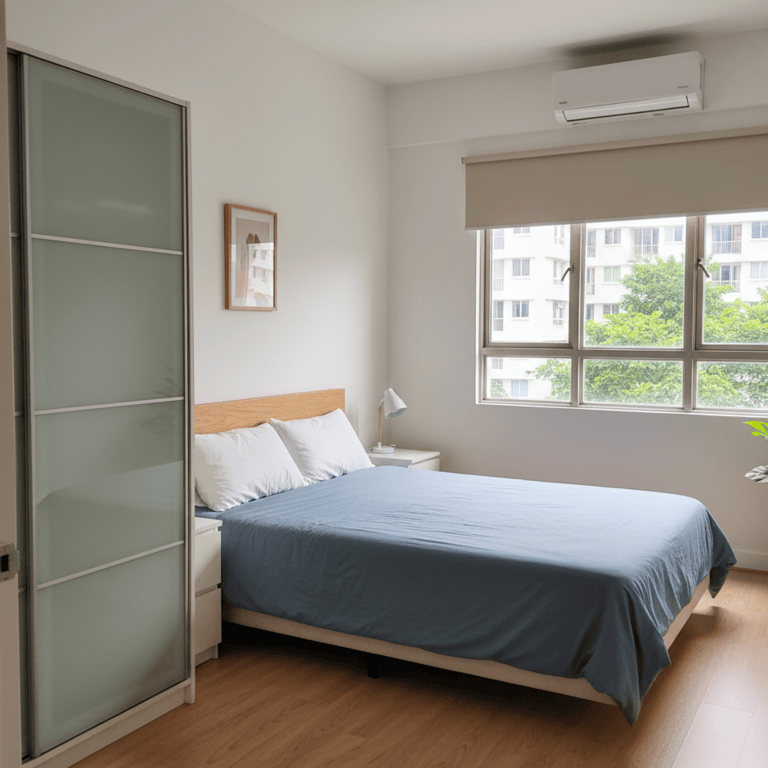
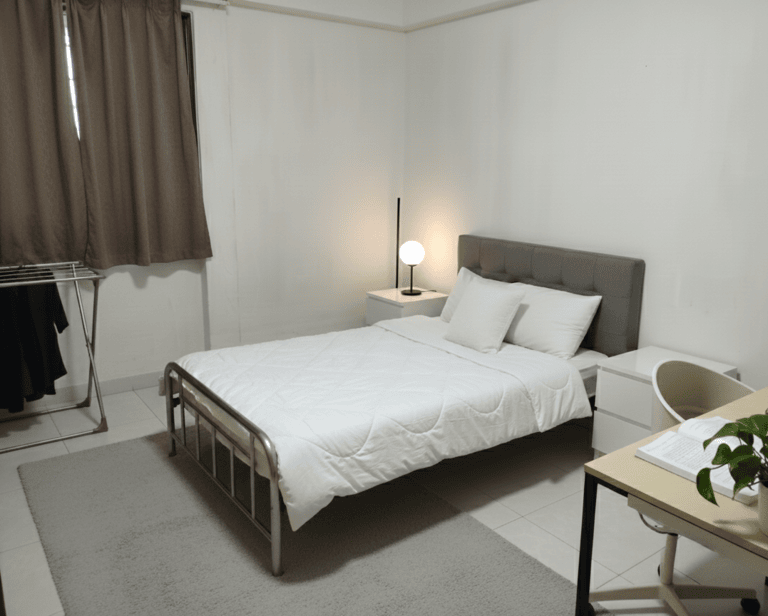
Yes, many couples rent master rooms. If you’re a couple, confirm with the landlord that two people are allowed in that room (most masters are fine for couples, but some landlords set limits). Consider that as a couple, you’ll likely use more utilities – discuss with your housemates or landlord how the utility split is handled for two people. Also, ensure the master room has enough space and storage for both of your belongings. Privacy-wise, a master is great since you have your own bathroom and more space, which suits a couple’s needs. Just be open about being a pair so everyone in the household is aware and okay with it.
Condos regularly schedule maintenance for elevators, water systems, and facilities that can disrupt daily routines. Stay informed through building notices, plan alternative routes during elevator maintenance, and keep backup water supplies during plumbing work. Communicate with your landlord about any major disruptions that affect your room's habitability or access.
If you rent a common room, you’ll likely share a bathroom with one or more housemates. Agree on morning and evening peak times, cleaning duties, and storage space for toiletries. A shower caddy and labeled shelves reduce friction. Expect to compromise a little on timing and cleanliness habits, but overall, as long as everyone is considerate (cleaning hair from the drain, not hogging the bathroom for an hour), sharing a bathroom is manageable.
Confirm whether you’ll park on a driveway or street and how visitors should park. Test gate mechanisms and night lighting. If you own bicycles or scooters, ensure secure storage and a practical route without lifting heavy equipment up stairs.
Landed houses often have helper's quarters or space for live-in domestic help. Clarify with your landlord whether you can employ helpers, if there are designated helper areas, and what additional costs or responsibilities this entails. Understand helper accommodation standards, work permit requirements, and whether helper facilities like separate bathrooms or kitchens are included in your rental.
Ground floor units offer easy access without lift dependency, convenient for moving furniture or groceries, and potential for small gardens or patios. However, they may have less privacy, more noise from foot traffic, and security concerns. High floor units provide better views, more privacy, less noise, and better ventilation, but depend on lift access and may be less convenient for daily errands.
Yes, usually the dining area in a 4-bedroom flat is sized for a big family. You can typically fit a 6- or 8-seater table comfortably. Some layouts have a separate dining room, others a large combined living/dining area. Either way, you should have space for everyone to eat together. It’s wise to measure if you own a huge dining set, but generally these units accommodate family dining well.
Expect a quieter, more suburban lifestyle with potentially longer commutes to city centers. You'll have more space and privacy but fewer nearby amenities compared to HDB or condo living. The pace is generally slower, with more responsibility for property upkeep. Consider whether you prefer the space and tranquility over urban convenience and connectivity.