Most condos have strict renovation guidelines that tenants must follow. You typically cannot make structural changes, install permanent fixtures, or renovate during restricted hours. Even minor changes like painting or installing shelves may require management approval and deposits. Always check with building management and get landlord consent before making any modifications.
Condos have security and access controls. You’ll get a resident card or fob for gates and lifts. Visitors usually need to sign in at the guardhouse, and you might have to approve them. Know your condo’s guest procedure so friends can visit smoothly.
Check the corridor and lift situation. If it’s a common corridor, people pass right by your door or window, affecting privacy. Corner units are quieter. Also see if the lift stops on your floor (some older blocks don’t), as you might need to take stairs if not.
HDB flats typically offer more space and functional layouts for the price. You’ll likely appreciate everyday conveniences nearby. Focus on block condition, lift reliability, and airflow. If you value community feel and straightforward living, HDB can be a comfortable fit.
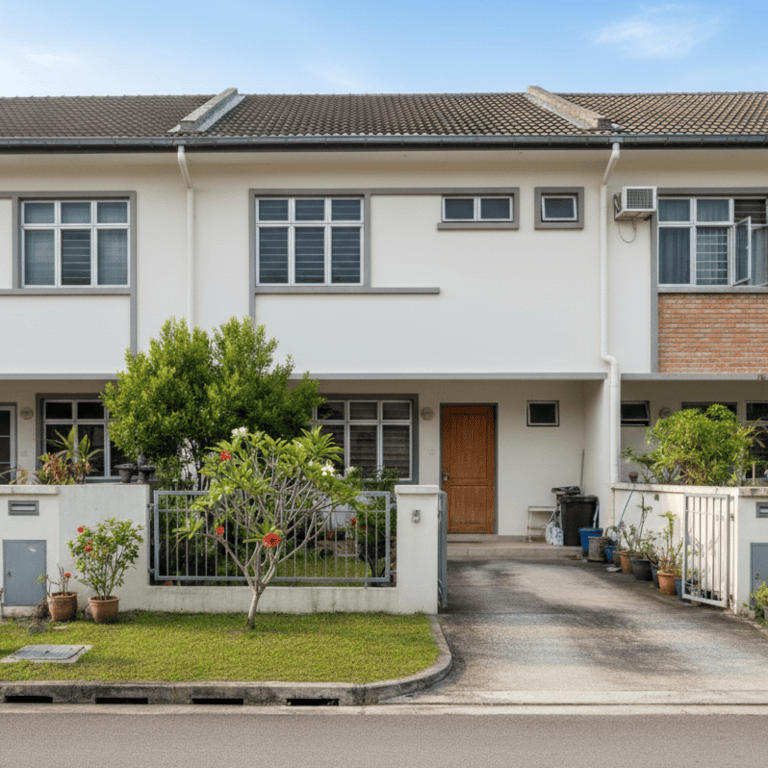
Expect a quieter, more suburban lifestyle with potentially longer commutes to city centers. You'll have more space and privacy but fewer nearby amenities compared to HDB or condo living. The pace is generally slower, with more responsibility for property upkeep. Consider whether you prefer the space and tranquility over urban convenience and connectivity.
Students and young professionals often prefer HDB rooms for affordability and convenience. Expat families typically choose condos for amenities and international community. Established families might opt for landed houses for space and privacy. Consider your lifestyle priorities: budget-conscious renters suit HDB, amenity-seekers prefer condos, and space-needing families benefit from landed properties.
Not typically. You’ll rely on public gyms, community clubs, and neighbourhood pools. Many tenants prefer HDBs for value and convenience to everyday shops and transport.
Request to see the landlord's NRIC and property ownership documents or tenancy agreement if they're a main tenant. Check property records through official channels if needed. Be wary of landlords who refuse to meet in person, demand cash-only payments, or pressure for immediate decisions. Legitimate landlords will provide proper documentation and allow reasonable verification time.