Verify the main tenant has landlord approval to sublet by asking to see the original lease agreement. For HDB rooms, check that the flat meets minimum occupancy requirements and ethnic quota rules. Ensure the person renting to you is actually authorized - meet them in person and verify their identity. Get everything in writing including house rules, deposit terms, and notice periods. Be wary of cash-only transactions or reluctance to provide documentation.
Factor in daily transport costs to work, not just rent. A cheaper rental far from MRT might cost more overall with daily taxi/grab rides. Consider monthly transport passes, peak hour surcharges, and travel time value. Properties near MRT stations command higher rent but offer convenience and cost savings. Calculate your total monthly housing + transport budget realistically.
Corner units typically offer better ventilation, more natural light, additional windows, and sometimes larger layouts. They may also have less shared walls with neighbors, providing more privacy. However, they might be more expensive and could be noisier if facing main roads or having more external exposure.
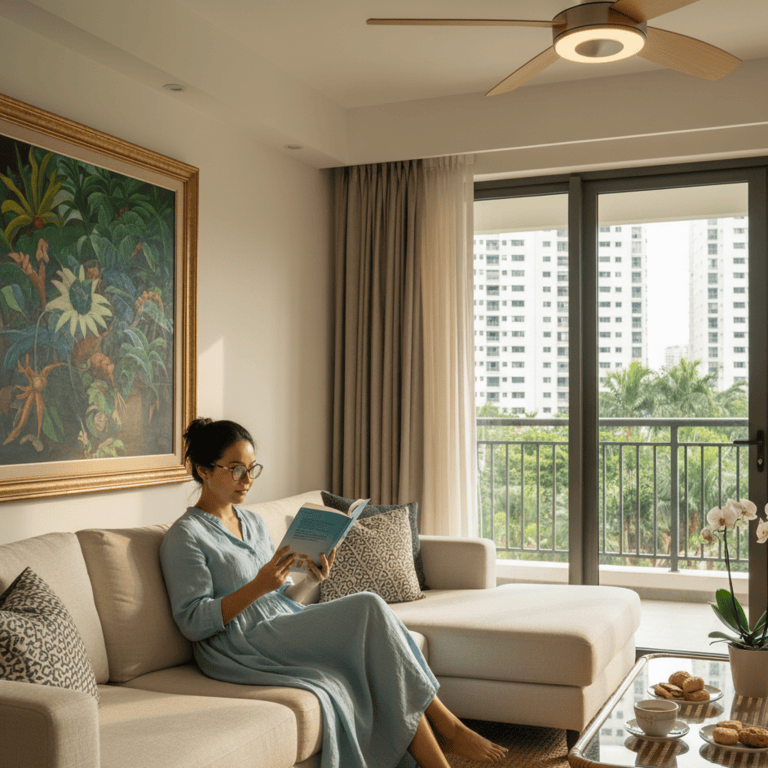
Living alone means you bear all utility costs, so efficiency matters. Use programmable thermostats for air-conditioning, switch to LED lighting, and unplug devices when not in use. Consider your usage patterns - cook in batches, do laundry efficiently, and use appliances during off-peak hours if available. Monitor your monthly bills to identify high-consumption periods and adjust habits accordingly. Some units benefit from smart home devices to optimize energy usage.
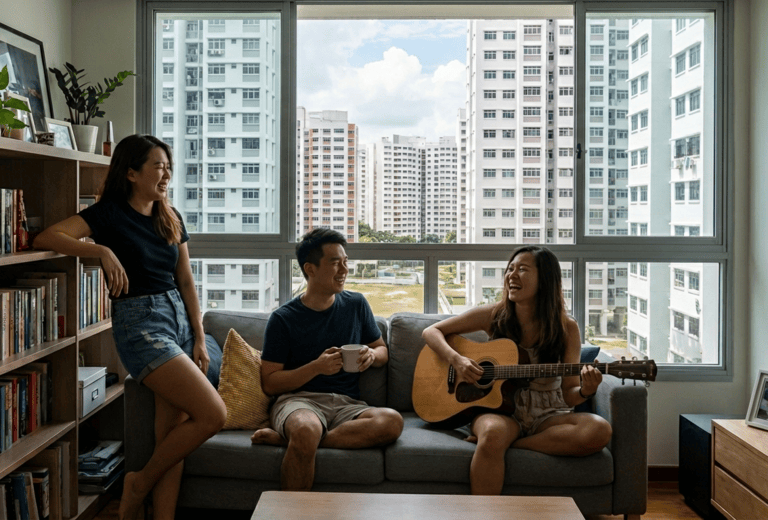
HDB estates often have nearby markets, food courts, clinics, schools, and community centers. Many have playgrounds, fitness corners, and resident committee activities. Check proximity to essential services, public transport, and whether the estate has active community programs that might interest you.
Living alone can be isolating, so actively build social connections through neighborhood activities, building events, co-working spaces, or hobby groups. Consider inviting colleagues or friends over regularly, join community centers or sports clubs nearby, and maintain regular contact with family and friends. Balance the privacy benefits of solo living with intentional social engagement.
Yes, tenants can usually use condo facilities like the pool, gym, function rooms, or BBQ pits. Ensure the landlord gives you a resident access card. Some amenities require advance booking or small fees (e.g., BBQ pits or tennis courts), so check the condo’s booking procedures and rules.
Be wary of listings with prices significantly below market rate, requests for payment before viewing, or landlords who can't meet in person. Verify ownership through property records if possible. Never transfer large sums without seeing the property and meeting the actual landlord or authorized agent. Use secure payment methods and get proper receipts for all transactions.