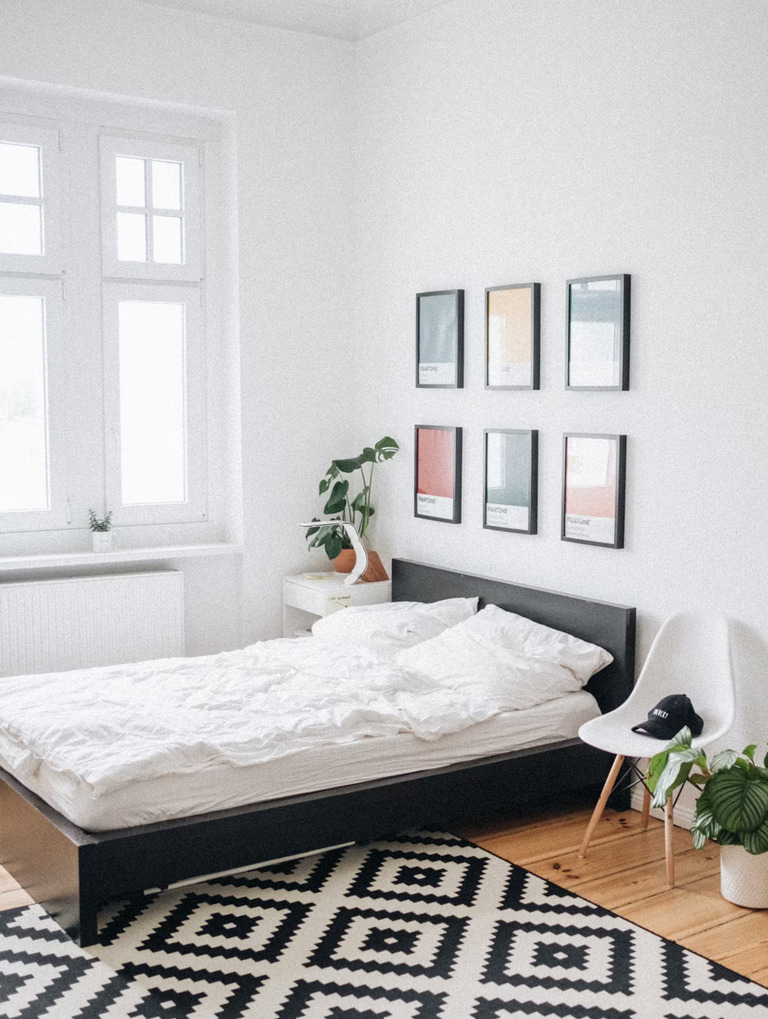
Use thick curtains or blinds, consider a white noise machine for sound privacy, and establish quiet hours with housemates. Create personal space within your room with furniture arrangement, and communicate your need for privacy respectfully. Good locks and personal storage help maintain security.
Teenagers require more privacy and independence than younger children. Consider bedroom assignments that provide adequate separation from parents and siblings, ensure good soundproofing for music and phone calls, and discuss household rules about friends visiting. Plan for increased utility usage and potential need for additional internet bandwidth or separate study spaces.
Create a dedicated workspace even if it's just a corner with a desk. Use visual cues like different lighting or a room divider to separate work time from personal time. Establish routines that help you mentally 'leave work' even when you can't physically leave the space.
At move-in, note any existing damage (take photos) and inform the landlord immediately so you’re not held liable. At move-out, return the home in the same condition: clean thoroughly, fix any minor damage you caused, and ensure all items are returned. This way you should get your deposit back.
Condo deliveries are usually held by security when you’re out. Couriers drop packages at the guardhouse or concierge instead of outside your door. You’ll be notified when something arrives so you can collect it. This keeps parcels secure, but you will need to pick them up from the guard post.
Sharing reduces rental costs and can provide companionship, but requires compatibility and clear agreements about shared spaces, expenses, and lifestyle habits. Consider whether both bedrooms are equally desirable, how to split utility costs fairly, and what happens if one person wants to move out early.
Living alone can be isolating, so actively build social connections through neighborhood activities, building events, co-working spaces, or hobby groups. Consider inviting colleagues or friends over regularly, join community centers or sports clubs nearby, and maintain regular contact with family and friends. Balance the privacy benefits of solo living with intentional social engagement.
Be wary of listings with prices significantly below market rate, requests for payment before viewing, or landlords who can't meet in person. Verify ownership through property records if possible. Never transfer large sums without seeing the property and meeting the actual landlord or authorized agent. Use secure payment methods and get proper receipts for all transactions.