HDB estates often have nearby markets, food courts, clinics, schools, and community centers. Many have playgrounds, fitness corners, and resident committee activities. Check proximity to essential services, public transport, and whether the estate has active community programs that might interest you.
Factor in daily transport costs to work, not just rent. A cheaper rental far from MRT might cost more overall with daily taxi/grab rides. Consider monthly transport passes, peak hour surcharges, and travel time value. Properties near MRT stations command higher rent but offer convenience and cost savings. Calculate your total monthly housing + transport budget realistically.
Landed houses may require additional insurance considerations due to ground-level access, gardens, and potential flooding risks. Check if your landlord's insurance covers tenant belongings and liability for accidents on the property. Consider additional coverage for valuable items and personal liability, especially if you have guests using outdoor areas or pools.
HDB flats typically offer more space and functional layouts for the price. You’ll likely appreciate everyday conveniences nearby. Focus on block condition, lift reliability, and airflow. If you value community feel and straightforward living, HDB can be a comfortable fit.
Older HDB flats have a rubbish chute inside – make sure its lid seals well to keep out odours and pests. Newer flats use a shared chute on each floor. If your flat is near that chute, you might catch an occasional smell, but it’s usually minor if kept clean.
Establish clear common area rules and assign personal storage spaces in each bedroom. Use the third bedroom strategically - as a study, guest room, or helper's quarters. Create a household schedule for shared spaces like bathrooms and kitchen. Consider installing additional hooks and organizers in common areas to prevent clutter.
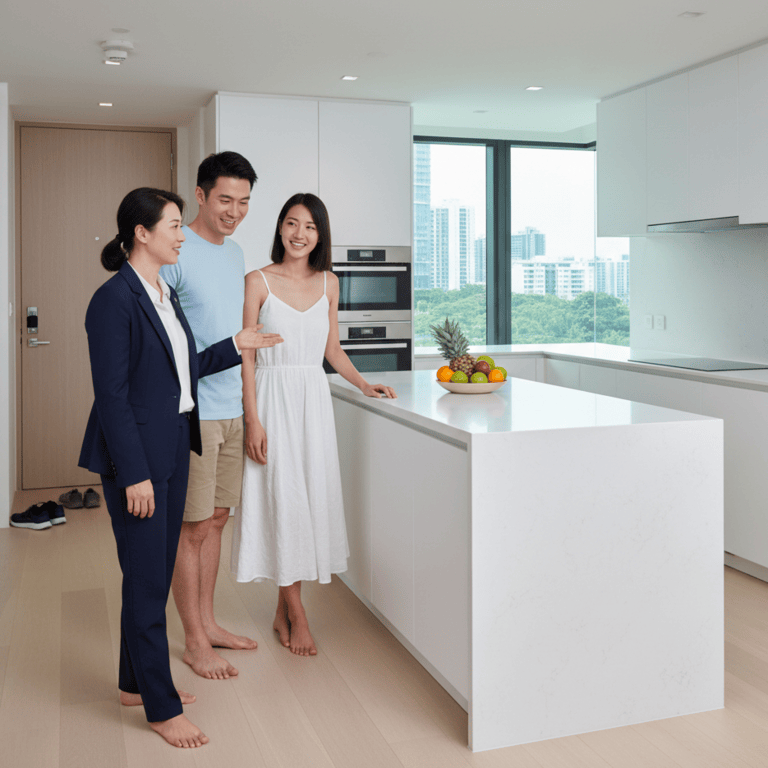
Look for layouts where bedrooms don't directly face each other for better privacy. Check if both bedrooms have windows for natural light and ventilation. Consider whether the kitchen is open or closed to the living area - open kitchens feel spacious but cooking smells spread. Ensure there's adequate storage throughout the unit, not just in bedrooms.
Look for termite trails, droppings, and swollen wood. Check ceilings and corners for water stains and bubbling paint. Outside, inspect gutters and downpipes after rain. Ask about previous treatments and how quickly issues are handled when reported.