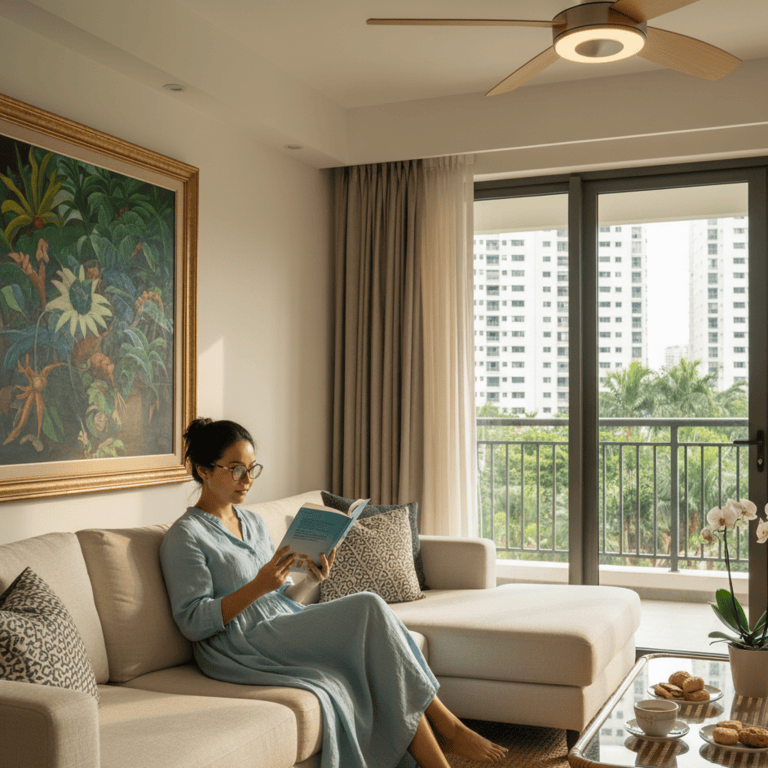
Air-con significantly impacts electricity bills in Singapore's climate. Discuss usage patterns with housemates - some prefer it only at night, others need it during work-from-home hours. Agree on temperature settings (24-26°C is efficient) and whether common areas should be cooled. Consider individual room usage tracking or splitting bills proportionally based on usage patterns.
Master rooms often face away from common corridors and have better sound insulation. The ensuite means fewer bathroom queue interactions with housemates. Larger windows might offer better views and natural light. However, check if the master room faces busy streets or neighboring blocks, which could impact privacy and noise levels.
Master rooms command premium rent due to size and ensuite access. Research comparable listings to understand market rates. Consider negotiating longer lease terms for rent stability, or ask about inclusive utility caps to manage higher consumption costs. Some landlords offer furnished master rooms - evaluate if the premium is worth the convenience.
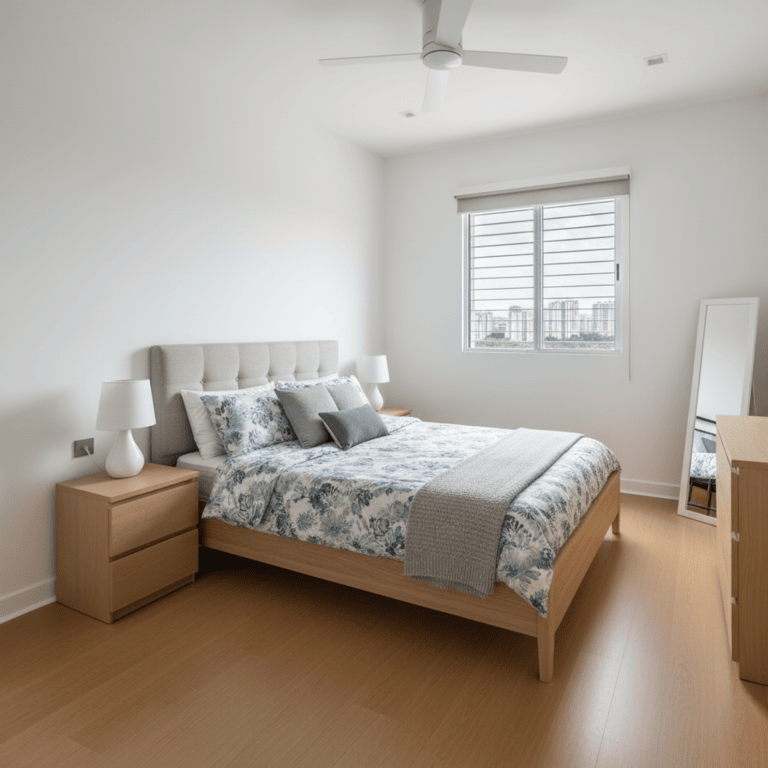
Ventilation and sunlight can make a small room feel more comfortable and livable. Natural light makes the space feel more open and pleasant, and it can even improve your mood. See if it has a window that opens to outdoors (and not just into a corridor or airwell). Good ventilation and light are key for your daily comfort in that space.
Choose multi-functional furniture like a loft bed with desk underneath or storage ottomans. Use mirrors to create illusion of space and maximize natural light with light-colored curtains. Vertical storage solutions like wall-mounted shelves save floor space. Keep the room clutter-free and consider a small fan for better air circulation if the room feels stuffy.
Research comparable listings to understand market rates before negotiating. Be prepared to make quick decisions as good properties move fast. Consider offering longer lease terms for rent discounts, or ask for inclusions like utilities or internet. Present yourself as a reliable tenant with references and proof of income. Avoid lowball offers that might offend landlords.
Communicate openly about issues before they escalate, respect shared spaces, be considerate with noise and cleanliness, and contribute fairly to household expenses. Participate in house meetings, be flexible with compromises, and remember that small gestures like shared meals can build positive relationships.
Newer HDB estates offer modern fittings, better insulation, and more efficient layouts, but rooms may be smaller and rent higher. Older estates provide more spacious rooms and lower rent, but may have aging infrastructure and require more maintenance. Newer estates often have better accessibility features and integrated amenities, while older ones offer more character and established community networks.