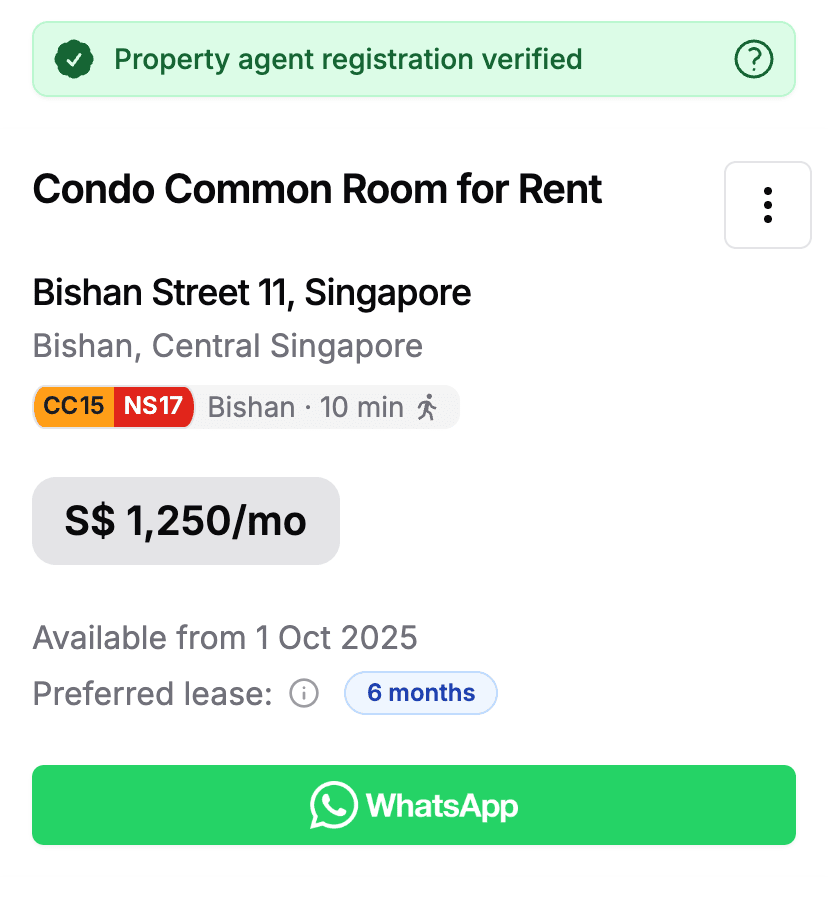
Factor in daily transport costs to work, not just rent. A cheaper rental far from MRT might cost more overall with daily taxi/grab rides. Consider monthly transport passes, peak hour surcharges, and travel time value. Properties near MRT stations command higher rent but offer convenience and cost savings. Calculate your total monthly housing + transport budget realistically.
A lot of 1-bedroom units have small bedrooms. A queen-size bed usually fits, but a king-size might be a tight squeeze. With a king, you might have little room left for bedside tables or a dresser. Always check the room dimensions beforehand to ensure you can still move around comfortably.
Address cleanliness issues diplomatically by establishing clear cleaning schedules and standards upfront. Document problems with photos if needed, and discuss solutions rather than blame. Consider implementing a cleaning roster, shared cleaning supplies fund, or hiring occasional deep cleaning. If issues persist, involve the landlord or main tenant as mediator. Sometimes different cultural or personal standards require compromise and clear communication.
Take advantage of amenities to justify higher rent costs. Use the gym instead of paying for external memberships, utilize the pool for exercise and relaxation, and book function rooms for gatherings. Many condos offer additional services like concierge, dry cleaning pickup, or maintenance services. Factor these conveniences into your rental value assessment.
HDB estates periodically undergo upgrading works that can last months. This includes lift upgrading, facade improvements, and infrastructure updates. Renovation noise from neighbors is also common and allowed during specific hours (usually 9am-6pm on weekdays). Check if any major upgrading works are planned for your block before signing a lease.
Check the corridor and lift situation. If it’s a common corridor, people pass right by your door or window, affecting privacy. Corner units are quieter. Also see if the lift stops on your floor (some older blocks don’t), as you might need to take stairs if not.
Look for persistent damp smells, water stains, mold, warped wood, peeling paint, pest traces, and poor ventilation. Test taps, appliances, windows, and locks. If something seems off or the landlord avoids answering questions, consider it a red flag.
HDB rooms often have simpler finishes and fewer shared facilities but practical layouts and solid walls. You’ll trade pools or gyms for straightforward convenience. Prioritize block condition, elevator access, and nearby amenities over lifestyle facilities you won’t use.