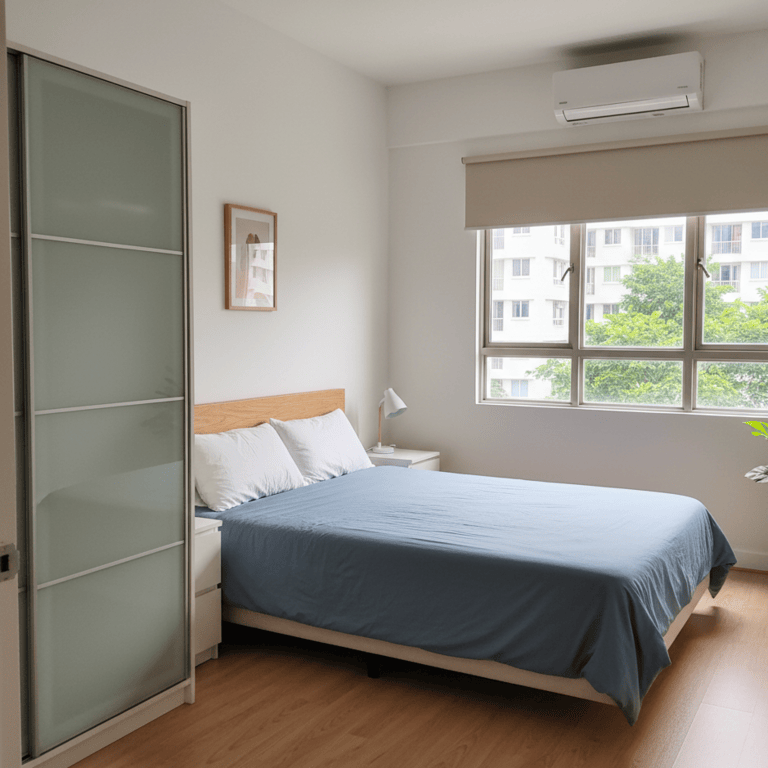
Yes, a larger space usually means higher utility costs. In a 4-bedroom, you may run four or more aircon units plus more lights and devices, which adds up. More people/rooms also likely means more water usage. So expect to pay higher electricity and water bills than in a smaller unit. To manage costs, use AC and lights only when needed and choose energy-efficient appliances.
Yes. It should clearly state the monthly rent, the security deposit amount and conditions for return, what’s included in the rent (for example, are utilities or Wi-Fi covered?), the length of stay/notice period, and any specific house rules or restrictions. This protects both you and the landlord (or main tenant) by ensuring everyone knows the terms. Also, confirm that the landlord has approval to rent out the room (especially important in HDB flats, where there are rules on room rentals).
Master rooms command premium rent due to size and ensuite access. Research comparable listings to understand market rates. Consider negotiating longer lease terms for rent stability, or ask about inclusive utility caps to manage higher consumption costs. Some landlords offer furnished master rooms - evaluate if the premium is worth the convenience.
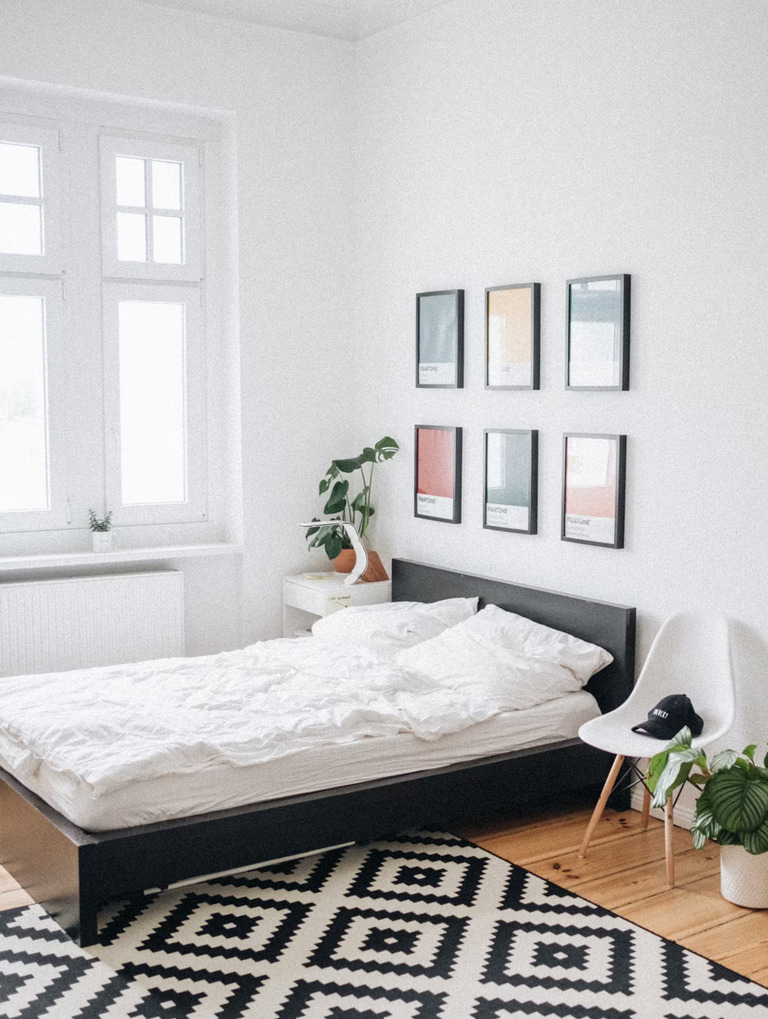
Place your desk in the living area and keep the bedroom for sleep. Close the bedroom door for mental separation. Good habits around screen time help the space feel restful after hours.
Students and young professionals often prefer HDB rooms for affordability and convenience. Expat families typically choose condos for amenities and international community. Established families might opt for landed houses for space and privacy. Consider your lifestyle priorities: budget-conscious renters suit HDB, amenity-seekers prefer condos, and space-needing families benefit from landed properties.
Living alone can be isolating, so actively build social connections through neighborhood activities, building events, co-working spaces, or hobby groups. Consider inviting colleagues or friends over regularly, join community centers or sports clubs nearby, and maintain regular contact with family and friends. Balance the privacy benefits of solo living with intentional social engagement.
Studio entertaining requires creativity due to limited space. Use folding furniture and multi-purpose items to accommodate guests. Consider the noise impact on neighbors in compact buildings. Overnight guests will need to sleep in your main living space, which affects your privacy. Plan gatherings during times when space can be reconfigured for socializing.
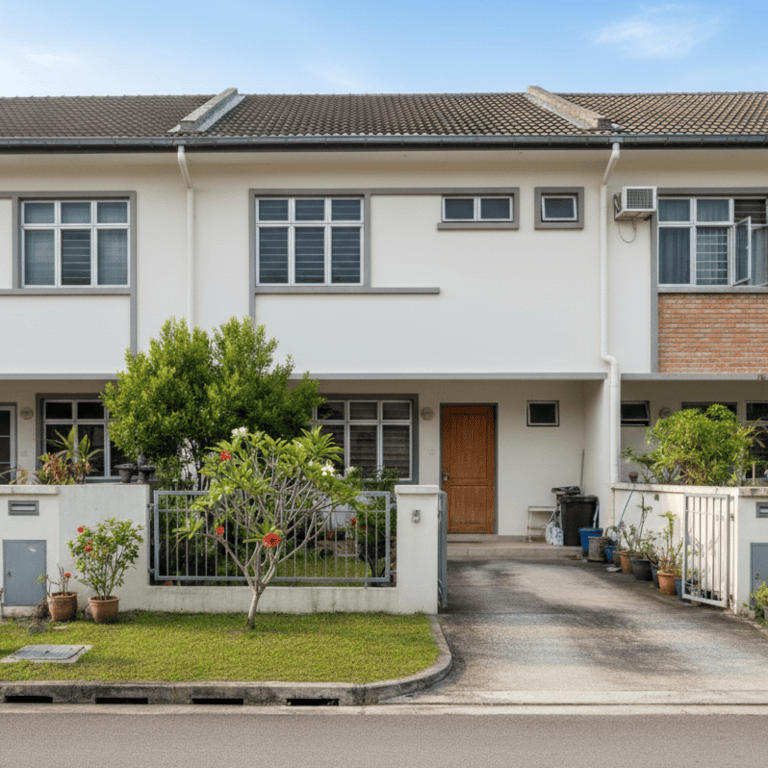
Landed houses may require additional insurance considerations due to ground-level access, gardens, and potential flooding risks. Check if your landlord's insurance covers tenant belongings and liability for accidents on the property. Consider additional coverage for valuable items and personal liability, especially if you have guests using outdoor areas or pools.