Check names of parties, address, start date, length, payment schedule, inventory, access to facilities, and who handles maintenance. Confirm guest policy, notice periods, and early termination terms in writing before paying any deposit or handing over documents.
Check the agreement for notice and replacement terms. Align on advertising, viewings, and how utilities are split during the gap. Keep shared costs transparent so no one subsidizes unfairly. Get approvals in writing before a new person joins.
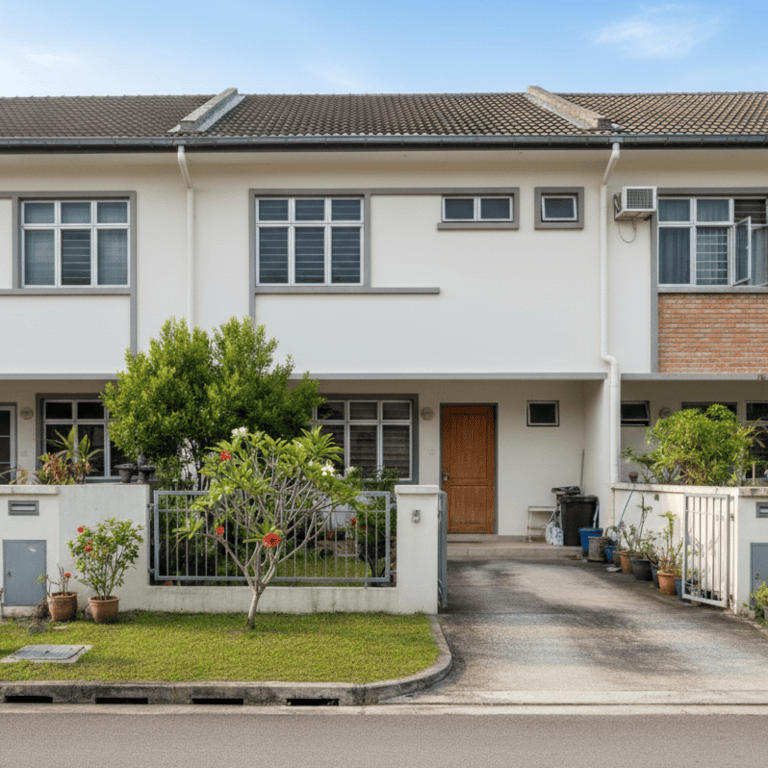
Landed homes lack the security of condos, so you need to be mindful. Always lock doors, windows, and the gate. If you’re on the ground floor, ensure your window has a grille or strong lock. Some houses have alarms or cameras, but day-to-day safety relies on you being vigilant.
Establish clear common area rules and assign personal storage spaces in each bedroom. Use the third bedroom strategically - as a study, guest room, or helper's quarters. Create a household schedule for shared spaces like bathrooms and kitchen. Consider installing additional hooks and organizers in common areas to prevent clutter.
Singapore's vibrant food delivery scene means lots of packages arriving. Establish rules about receiving deliveries for absent housemates, sharing delivery fees for group orders, and storing food in shared fridges. Label your items clearly and respect others' food. Consider setting up group orders for popular restaurants to save on delivery fees.
Condos have by-laws residents must follow. Common rules cover noise (quiet hours), visitor sign-ins, proper garbage disposal, and use of shared facilities. Ask your landlord about any specific condo rules. Abiding by them will keep you out of trouble with management and neighbors.
A lot of 1-bedroom units have small bedrooms. A queen-size bed usually fits, but a king-size might be a tight squeeze. With a king, you might have little room left for bedside tables or a dresser. Always check the room dimensions beforehand to ensure you can still move around comfortably.
Master rooms cost more because they’re typically the largest room and come with an attached bathroom. You’re paying a premium for the extra space, privacy, and convenience. They may also get better wardrobes, windows, and layout. Premiums vary by location, building type, and whether utilities are included.