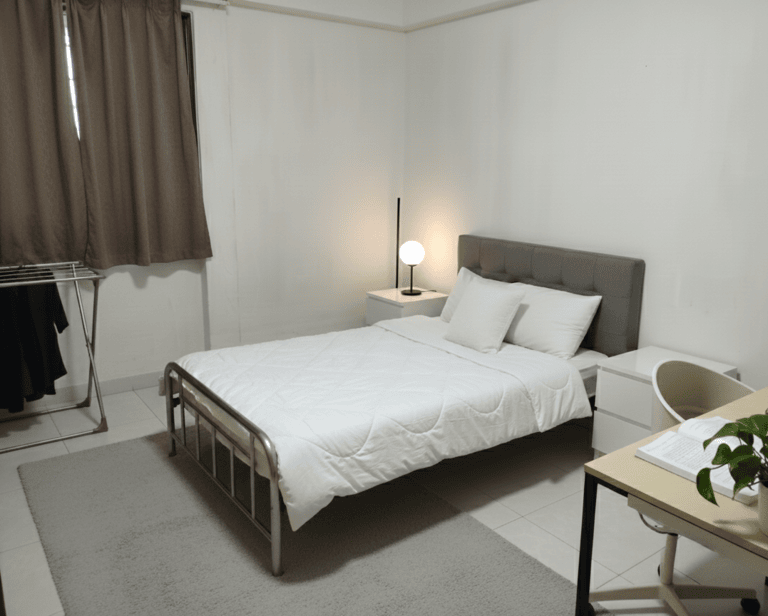
Sharing reduces rental costs and can provide companionship, but requires compatibility and clear agreements about shared spaces, expenses, and lifestyle habits. Consider whether both bedrooms are equally desirable, how to split utility costs fairly, and what happens if one person wants to move out early.
Confirm whether you’ll park on a driveway or street and how visitors should park. Test gate mechanisms and night lighting. If you own bicycles or scooters, ensure secure storage and a practical route without lifting heavy equipment up stairs.
Set polite boundaries. Keep your door closed or locked when you need personal space or quiet. Communicate with housemates about quiet hours (for example, agree on lowering noise after a certain time at night). Use headphones if you’re watching movies or listening to music late. Respecting each other’s schedules and discussing noise or privacy concerns openly will help everyone coexist comfortably.
Report common area issues like lift problems, lighting, or pest control to the town council. For unit-specific issues, coordinate with your landlord first. Understand which maintenance falls under town council responsibility versus landlord/tenant responsibility. Keep town council contact information handy for emergencies.
Consider your work-from-home needs versus how often you have guests. A dedicated office provides better work-life separation and productivity, while a guest room offers hosting flexibility. Some people use convertible furniture to serve both purposes, though this requires more setup and organization.
Master rooms command premium rent due to size and ensuite access. Research comparable listings to understand market rates. Consider negotiating longer lease terms for rent stability, or ask about inclusive utility caps to manage higher consumption costs. Some landlords offer furnished master rooms - evaluate if the premium is worth the convenience.
Use multi-functional furniture and vertical space. For example, a bed with drawers underneath or shelves up high on the walls adds storage without taking floor space. Declutter regularly and use hidden storage (like ottomans or coffee tables with compartments) to keep your studio organized.
Condo management committees can make decisions about facility usage, renovation rules, and additional charges that affect tenants. While you can't vote, stay informed about upcoming decisions through your landlord. Major changes like facility closures or new rules may impact your rental experience. Good landlords will communicate these changes and their implications.