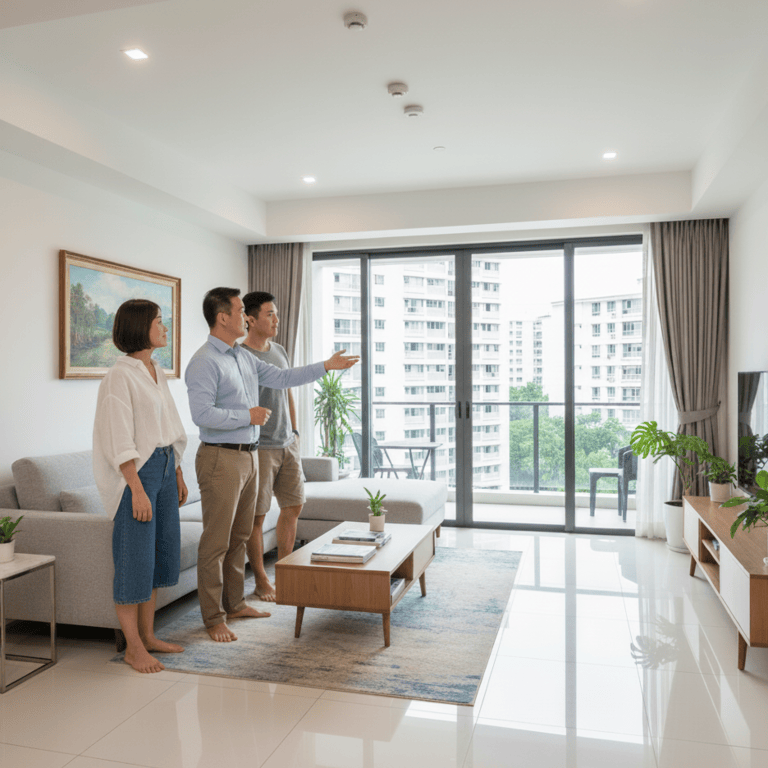
Singapore's diverse rental market means you'll likely live with people from different cultures. Be open-minded about different cooking styles, religious practices, and lifestyle habits. Establish ground rules early about shared spaces, food storage, and cultural celebrations. Respect dietary restrictions and prayer times. This diversity can be enriching if approached with understanding and clear communication.
Aim to return the home in similar condition, focusing on kitchens, bathrooms, and flooring. Degrease hoods, wipe seals, and clear drains. Replace spent bulbs and wash removable filters. Provide dated photos after cleaning to support a smooth deposit outcome.
Measure wardrobe depth, check for full-length hanging, and look for shelves that suit daily items. Visualize bed placement, door swing, and airflow. Make sure a desk or cot fits without blocking pathways or covering sockets and switches.
Check the agreement for notice and replacement terms. Align on advertising, viewings, and how utilities are split during the gap. Keep shared costs transparent so no one subsidizes unfairly. Get approvals in writing before a new person joins.
Consider your work-from-home needs versus how often you have guests. A dedicated office provides better work-life separation and productivity, while a guest room offers hosting flexibility. Some people use convertible furniture to serve both purposes, though this requires more setup and organization.
While you're renting, understanding condo market trends can help predict rent stability and landlord behavior. Properties in high-demand areas with good resale prospects typically have more stable rents and better maintenance. However, rapidly appreciating properties may face higher rent increases at renewal. Consider the development's age, location, and market reputation when evaluating long-term rental viability.
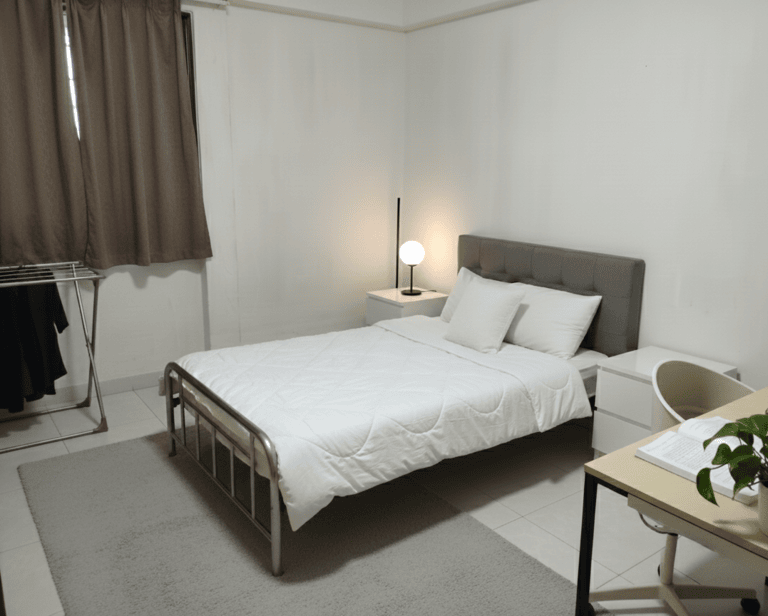
A lot of 1-bedroom units have small bedrooms. A queen-size bed usually fits, but a king-size might be a tight squeeze. With a king, you might have little room left for bedside tables or a dresser. Always check the room dimensions beforehand to ensure you can still move around comfortably.
Landed houses may require more frequent maintenance like roof repairs, plumbing work, or garden care that can disrupt daily routines. Understand notification procedures for maintenance work, temporary access restrictions, and how repairs might affect your room's utilities or accessibility. Plan accordingly for potentially longer disruption periods.