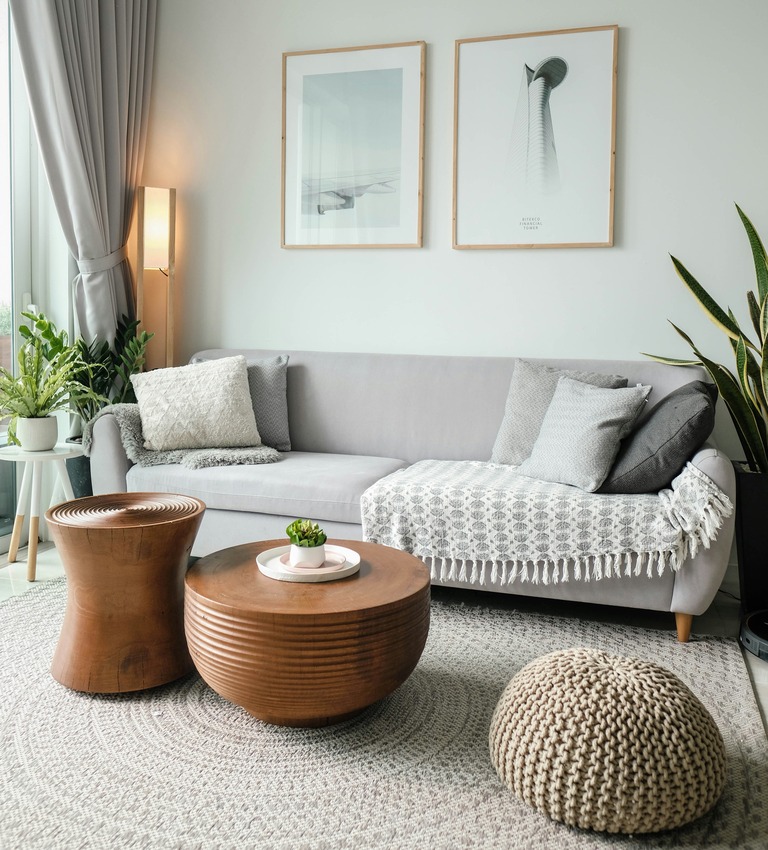
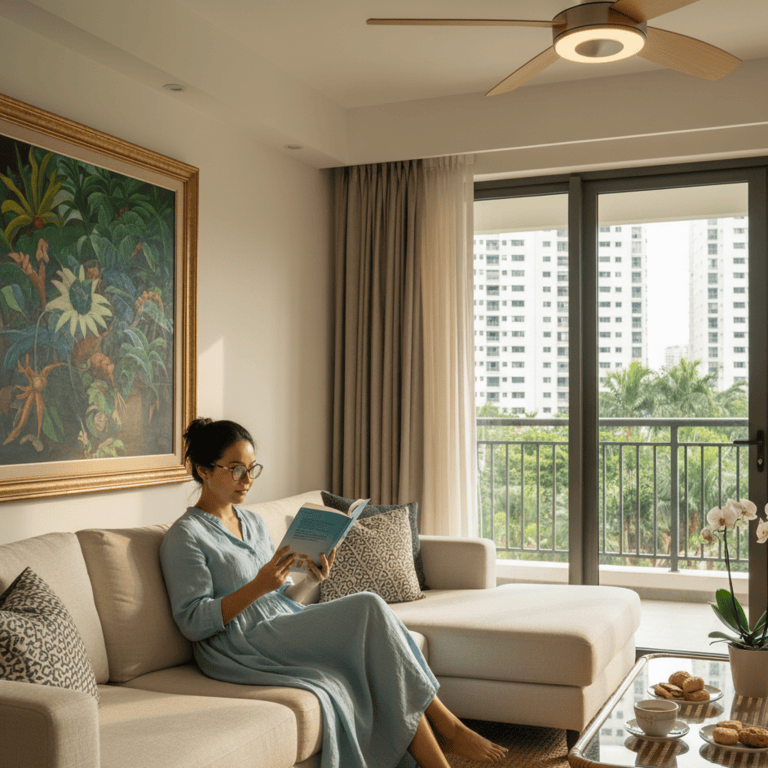
HDB 2-bedroom units offer more space and value but fewer amenities. Condo 2-bedrooms cost more but include facilities like pools and gyms. Landed 2-bedroom units (rare) provide maximum privacy and space but highest costs. Consider your priorities: budget and space (HDB), amenities and lifestyle (condo), or privacy and outdoor space (landed).
Condo living often attracts young professionals and expatriates, creating diverse, international housemate communities. Expect higher living standards and potentially more transient housemates who may move frequently for work. The facilities create natural social opportunities - you might meet neighbors at the pool or gym. However, this can also mean more temporary relationships compared to HDB community living.
Master rooms cost more because they’re typically the largest room and come with an attached bathroom. You’re paying a premium for the extra space, privacy, and convenience. They may also get better wardrobes, windows, and layout. Premiums vary by location, building type, and whether utilities are included.
You get an extra room to use flexibly. For example, parents in one room, kids in another, and the third bedroom becomes a study, home office, or helper’s room. Basically, the third room means you don’t have to sacrifice having an office or guest space—you can have both.
Look for layouts where bedrooms don't directly face each other for better privacy. Check if both bedrooms have windows for natural light and ventilation. Consider whether the kitchen is open or closed to the living area - open kitchens feel spacious but cooking smells spread. Ensure there's adequate storage throughout the unit, not just in bedrooms.
Choose multi-functional furniture like a loft bed with desk underneath or storage ottomans. Use mirrors to create illusion of space and maximize natural light with light-colored curtains. Vertical storage solutions like wall-mounted shelves save floor space. Keep the room clutter-free and consider a small fan for better air circulation if the room feels stuffy.
Look for termite trails, droppings, and swollen wood. Check ceilings and corners for water stains and bubbling paint. Outside, inspect gutters and downpipes after rain. Ask about previous treatments and how quickly issues are handled when reported.
Address cleanliness issues diplomatically by establishing clear cleaning schedules and standards upfront. Document problems with photos if needed, and discuss solutions rather than blame. Consider implementing a cleaning roster, shared cleaning supplies fund, or hiring occasional deep cleaning. If issues persist, involve the landlord or main tenant as mediator. Sometimes different cultural or personal standards require compromise and clear communication.