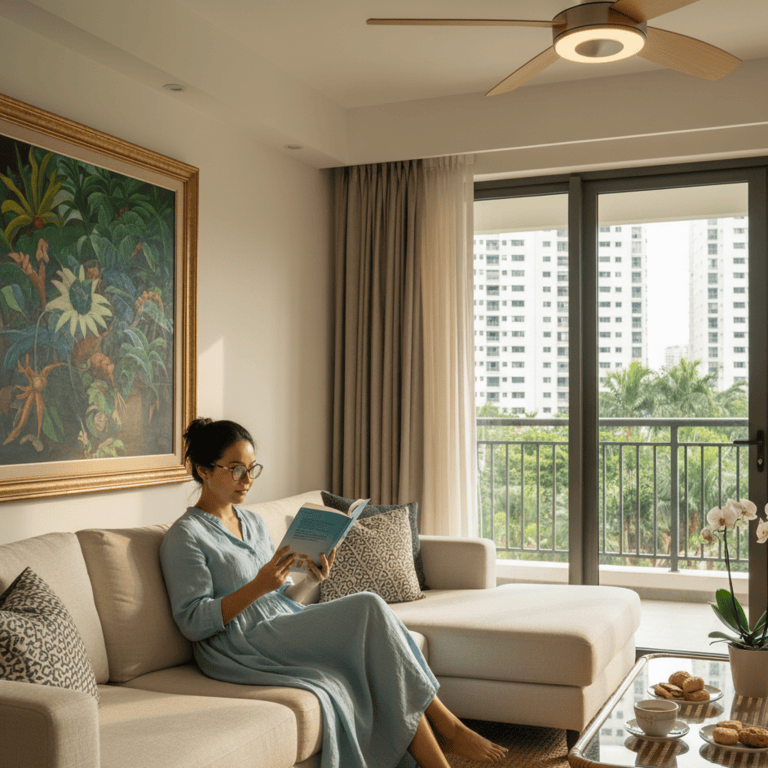
Many are, but not all. Confirm air‑con in your room, servicing schedule, usage rules, and who pays for maintenance. Older compressors may be less efficient and noisier.
When relocating from overseas, arrange virtual viewings through video calls, request detailed photos and floor plans, and consider hiring a local representative for in-person viewings. Time viewings carefully around your arrival date, and prepare to make quick decisions in Singapore's fast-moving market. Have all required documents ready digitally, and consider temporary accommodation for your first few weeks to allow for proper in-person viewing before committing long-term.
Common deductions include excessive cleaning needs, damaged furniture or fixtures, unpaid utilities, missing keys or access cards, and alterations made without permission. Normal wear and tear should not be deducted. Take detailed photos at move-in and move-out to document the property's condition. Keep all receipts for any repairs or replacements you make.
Open kitchens feel social and spacious but spread cooking smells. Closed kitchens contain noise and grease better. Think about your cooking style, ventilation, and how often you host. The right choice depends on whether you prioritize openness or cleanup ease.
Check names of parties, address, start date, length, payment schedule, inventory, access to facilities, and who handles maintenance. Confirm guest policy, notice periods, and early termination terms in writing before paying any deposit or handing over documents.
Families need significant storage for clothing, toys, school supplies, and household items. Look for built-in wardrobes in each bedroom, linen closets, kitchen storage, and utility areas. Check if there's a storeroom, under-stair storage, or if you can add storage furniture without overcrowding the space.
Agree on clear house rules with your flatmates early. Clarify quiet hours, overnight guests, cooking frequency, kitchen use, fridge space, and laundry timing. Discuss cleaning expectations for kitchen and bathrooms. Check rules about smoking or pets. Setting these expectations from the start helps prevent conflicts and keeps everyone comfortable.
Yes, condo facilities often have rules and booking systems. For example, certain amenities like the BBQ pit or function room must be reserved with management in advance. These facilities also have specific rules like fixed time limits and cleanup requirements. Meanwhile, the pool or gym generally don’t require booking, but they have set hours and basic usage guidelines.