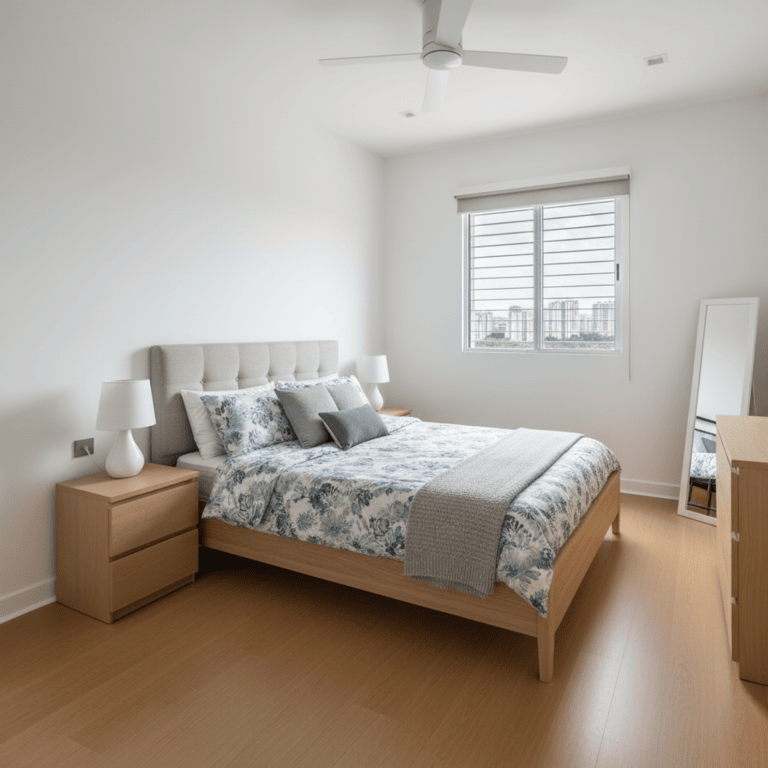
1-bedrooms can work well for couples who spend time together and don't need separate workspaces. Consider whether you both work from home, have different sleep schedules, or need personal space. Check if the living area can accommodate both partners' belongings and activities comfortably.
Usually, yes. Many 4-bedroom homes have at least 3 bathrooms (e.g., an en-suite master bath plus one or two other full bathrooms). That gives a big family multiple toilets/showers to use, reducing wait times. It’s good to check the exact count, but typically a 4-bedder is designed with enough bathrooms. You should have far fewer queues than in a smaller unit.
Master rooms typically consume more electricity due to larger space and ensuite bathroom usage. You'll likely run air-con longer, use more lighting, and the ensuite adds water heating costs. Discuss with housemates whether utility splitting accounts for room size differences or if everyone pays equally regardless of consumption.
Generally, HDB flats are most affordable, condominiums cost 30-50% more than comparable HDB units, and landed houses are the most expensive. However, prices vary significantly by location - a prime location HDB might cost more than a suburban condo. Factor in additional costs like condo maintenance fees, landed house utilities, and transport expenses when comparing total housing costs.
Place your desk in the living area and keep the bedroom for sleep. Close the bedroom door for mental separation. Good habits around screen time help the space feel restful after hours.
Landed houses may require more frequent maintenance like roof repairs, plumbing work, or garden care that can disrupt daily routines. Understand notification procedures for maintenance work, temporary access restrictions, and how repairs might affect your room's utilities or accessibility. Plan accordingly for potentially longer disruption periods.
Set polite boundaries. Keep your door closed or locked when you need personal space or quiet. Communicate with housemates about quiet hours (for example, agree on lowering noise after a certain time at night). Use headphones if you’re watching movies or listening to music late. Respecting each other’s schedules and discussing noise or privacy concerns openly will help everyone coexist comfortably.
Agree which tasks are tenant responsibilities, like light bulbs and basic filters, versus landlord duties. Report issues early and follow the preferred contact channel. Keep receipts and before-after photos so reimbursements or approvals remain straightforward later.