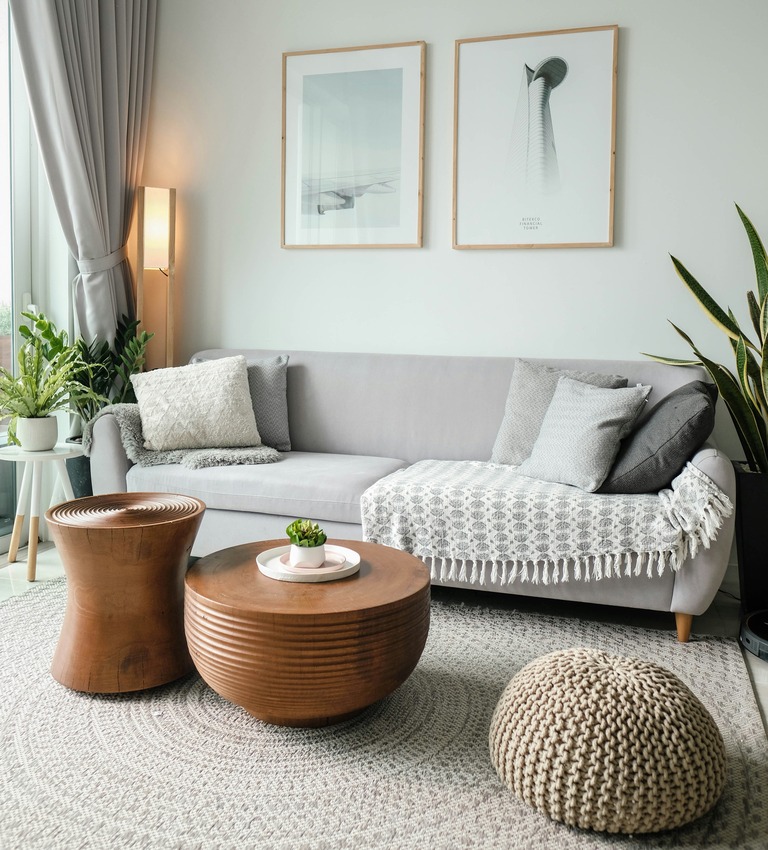
Use multi-functional furniture and vertical space. For example, a bed with drawers underneath or shelves up high on the walls adds storage without taking floor space. Declutter regularly and use hidden storage (like ottomans or coffee tables with compartments) to keep your studio organized.
Not typically. You’ll rely on public gyms, community clubs, and neighbourhood pools. Many tenants prefer HDBs for value and convenience to everyday shops and transport.
Yes, if you coordinate meeting times, choose a call zone, and use headphones. Ask about desk space in communal areas and quiet hours for focus. A shared calendar prevents overlapping calls echoing through thin doors or hallways.
Yes, but you need to plan your space carefully. Dedicate a corner for a small desk (or a foldable wall-mounted desk)6}. Use a shelf or curtain to separate your “office” from your bed. Having that defined work zone helps you focus in a studio.
Place your desk in the living area and keep the bedroom for sleep. Close the bedroom door for mental separation. Good habits around screen time help the space feel restful after hours.
Condos have by-laws residents must follow. Common rules cover noise (quiet hours), visitor sign-ins, proper garbage disposal, and use of shared facilities. Ask your landlord about any specific condo rules. Abiding by them will keep you out of trouble with management and neighbors.
At move-in, note any existing damage (take photos) and inform the landlord immediately so you’re not held liable. At move-out, return the home in the same condition: clean thoroughly, fix any minor damage you caused, and ensure all items are returned. This way you should get your deposit back.
Landed properties typically have higher utility costs due to size, multiple levels, and outdoor areas. Understand how water, electricity, and gas are metered, whether outdoor lighting or water features affect costs, and if there are separate meters for different areas. Budget accordingly for potentially significant utility expenses.