If you rent a common room, you’ll likely share a bathroom with one or more housemates. Agree on morning and evening peak times, cleaning duties, and storage space for toiletries. A shower caddy and labeled shelves reduce friction. Expect to compromise a little on timing and cleanliness habits, but overall, as long as everyone is considerate (cleaning hair from the drain, not hogging the bathroom for an hour), sharing a bathroom is manageable.
Yes. Check that there’s an aircon in each bedroom and the living room. Make sure they all work. Also note the number of power outlets in each room. Some older flats have few sockets, so ensure there’s one where you plan to put your TV or computer. If not, you’ll need extension cords. Knowing this upfront helps you plan.
For kids, safety is key. Look for window grilles or child locks if you’re in a high-rise. If there’s a balcony, ensure it’s safe (you might add netting or grilles). Choose rounded furniture edges and secure bookshelves. A simple toy storage system keeps clutter controlled and reduces tripping hazards during busy mornings.
Many 3-bedroom units include a small service yard or utility area near the kitchen for laundry. It’s basically space for a washing machine and to hang clothes. Not all layouts have this, so check the floor plan. If a listing mentions a 'yard' or utility room, that usually means there’s a dedicated laundry area.
Take advantage of amenities to justify higher rent costs. Use the gym instead of paying for external memberships, utilize the pool for exercise and relaxation, and book function rooms for gatherings. Many condos offer additional services like concierge, dry cleaning pickup, or maintenance services. Factor these conveniences into your rental value assessment.
1-bedrooms can work well for couples who spend time together and don't need separate workspaces. Consider whether you both work from home, have different sleep schedules, or need personal space. Check if the living area can accommodate both partners' belongings and activities comfortably.
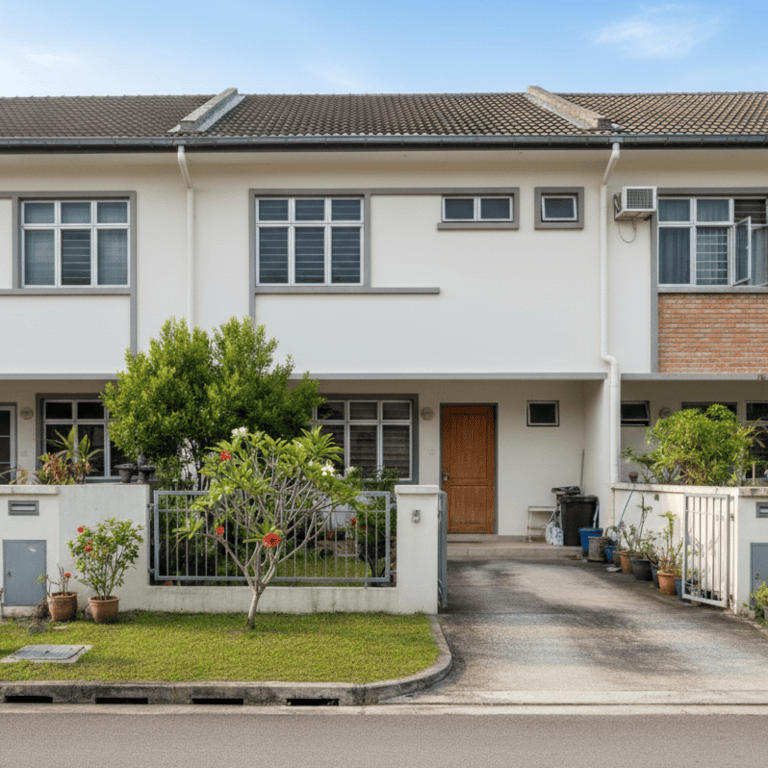
Landed houses may have multiple entry points, ground-level access, and outdoor areas requiring different security considerations. Check all locks, consider motion sensors or security systems, and understand neighborhood security patterns. Establish routines for securing the property and coordinate with neighbors if appropriate.
Save the signed agreement, inventory, payment receipts, and all maintenance chats. Store dated photos of existing defects and meter readings. Keeping a single folder prevents disputes and speeds up deposit discussions at the end.