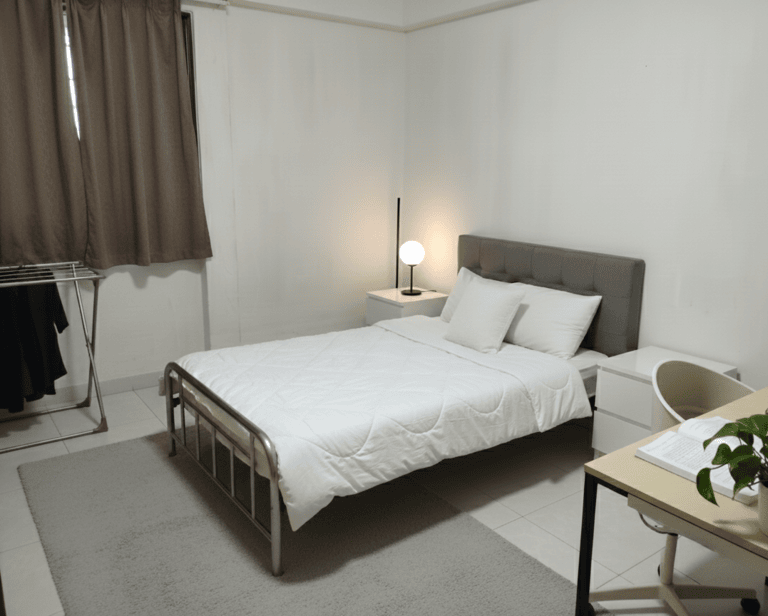
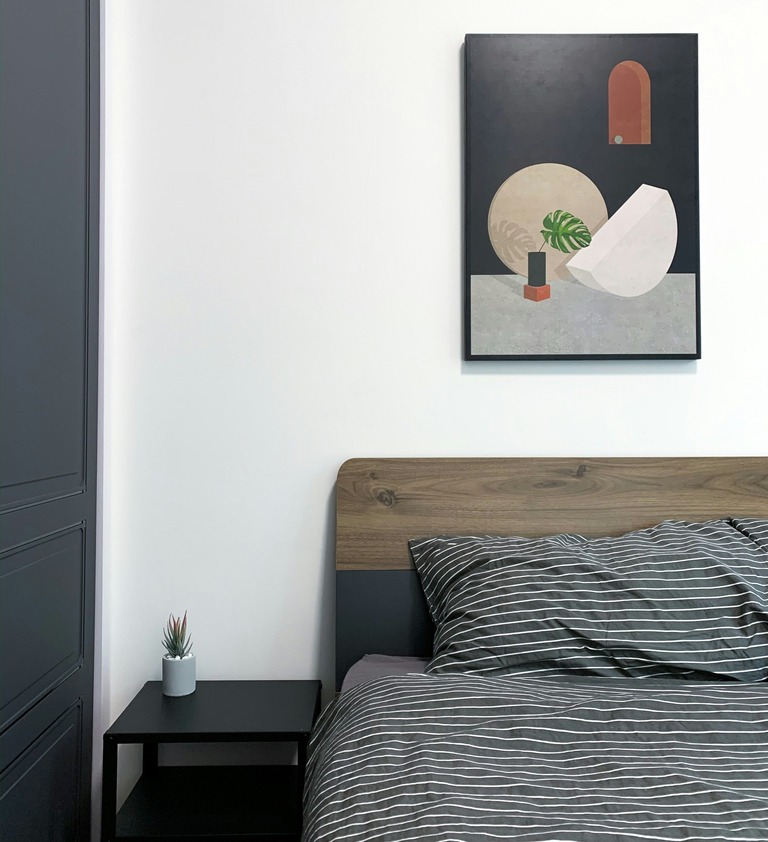
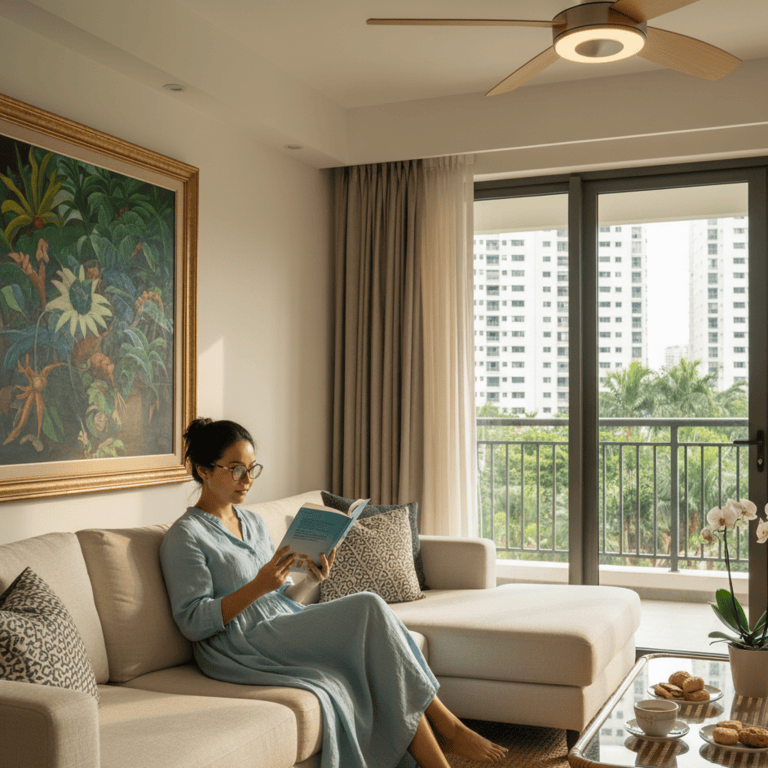
In most 3-bedroom flats, bedrooms are grouped away from the living area. Often a hallway leads to the bedrooms, separate from the living room. This helps keep noise from TV or guests in the living room from reaching the bedrooms easily.
Expect a quieter, more suburban lifestyle with potentially longer commutes to city centers. You'll have more space and privacy but fewer nearby amenities compared to HDB or condo living. The pace is generally slower, with more responsibility for property upkeep. Consider whether you prefer the space and tranquility over urban convenience and connectivity.
Report common area issues like lift problems, lighting, or pest control to the town council. For unit-specific issues, coordinate with your landlord first. Understand which maintenance falls under town council responsibility versus landlord/tenant responsibility. Keep town council contact information handy for emergencies.
Singapore's diverse rental market means you'll likely live with people from different cultures. Be open-minded about different cooking styles, religious practices, and lifestyle habits. Establish ground rules early about shared spaces, food storage, and cultural celebrations. Respect dietary restrictions and prayer times. This diversity can be enriching if approached with understanding and clear communication.
Prepare a list of questions about utilities, maintenance, lease terms, and neighborhood amenities. Bring a measuring tape for furniture planning and take photos/videos for later comparison. Check water pressure, electrical outlets, mobile reception, and natural light. View properties at different times if possible to assess noise levels and traffic patterns.
Run the shower and taps to test water pressure and hot water – make sure it heats up and flows well. Flush the toilet to ensure it works properly. Look around for any signs of leaks or mold (check under the sink and around the edges of the shower). See if there’s a ventilation fan or window, because you’ll want moisture to escape to prevent mildew.
Landed houses often have helper's quarters or space for live-in domestic help. Clarify with your landlord whether you can employ helpers, if there are designated helper areas, and what additional costs or responsibilities this entails. Understand helper accommodation standards, work permit requirements, and whether helper facilities like separate bathrooms or kitchens are included in your rental.
Use thick curtains or blinds, consider a white noise machine for sound privacy, and establish quiet hours with housemates. Create personal space within your room with furniture arrangement, and communicate your need for privacy respectfully. Good locks and personal storage help maintain security.