HDB has ethnic integration policies that may affect room rentals. Some HDB flat owners can only rent to tenants of certain ethnic groups to maintain racial balance in the block. This is a government policy, not discrimination. Ask landlords upfront about any restrictions and understand it's about maintaining community diversity, not personal preference.
Use the additional space for a work area, reading nook, or exercise space. Consider whether you need all the space for bedroom functions or can create multiple zones. The extra room allows for larger furniture pieces, more storage, or simply a less cramped living environment.
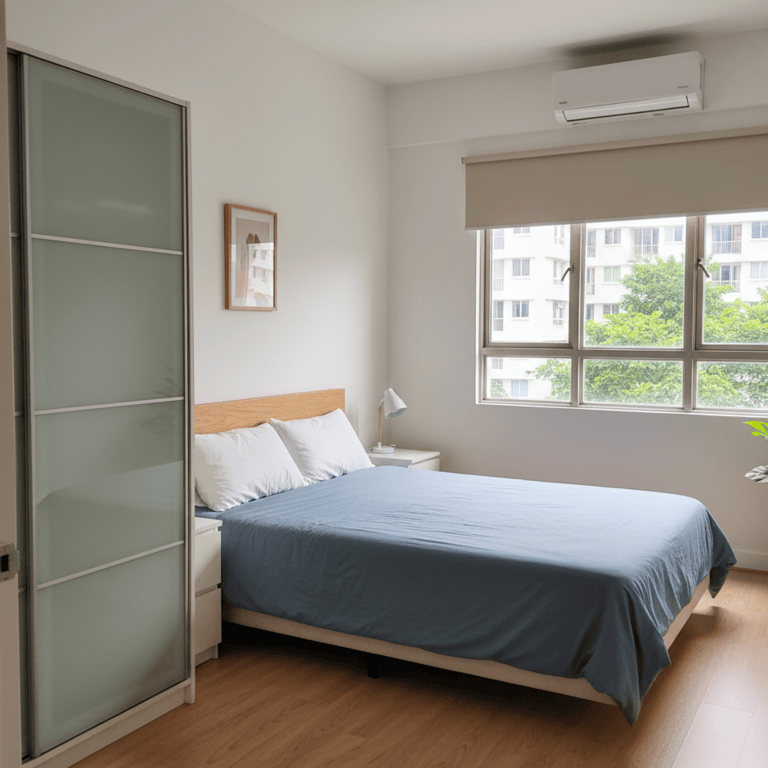
A master bedroom (with an attached bathroom) is ideal if you value extra space and privacy. It’s great for couples or individuals who want more room and their own bathroom. You get a larger area to yourself, which is nice if you work from your room or just like having a private bathroom and more storage. If your budget allows and you prefer not to share a bathroom, a master bedroom is a good choice.
Landed houses often have helper's quarters or space for live-in domestic help. Clarify with your landlord whether you can employ helpers, if there are designated helper areas, and what additional costs or responsibilities this entails. Understand helper accommodation standards, work permit requirements, and whether helper facilities like separate bathrooms or kitchens are included in your rental.
Address issues early through calm, direct conversation before they escalate. Use 'I' statements to express how situations affect you rather than making accusations. Suggest practical solutions and be willing to compromise. If direct communication fails, involve the landlord or main tenant as a mediator. Document serious issues and consider whether the living situation is sustainable long-term.
You can use a spare bedroom in many ways. It could be your home office or study, a guest room for visitors, or even a hobby room. Some people turn the extra room into a walk-in closet or extra storage. Essentially, it's bonus space you can adapt to your needs.
Use the second bedroom as a study (or an office/guest room combo). If both bedrooms are in use, find a nook in the living or dining area for a desk. For instance, a small desk by a window can serve as a cozy work spot. Pick a corner that doesn't disrupt daily living.
Renovations are common in HDB estates, so occasional daytime drilling or hacking noise is normal. Work is only allowed during set hours, but it can still be disruptive if a nearby unit is being redone. Know that it’s temporary and typically accompanied by advance notice to residents.