While landlords pay maintenance fees directly, these costs often influence rental prices. Understand what facilities and services these fees cover, as higher fees might mean better maintenance and amenities. Ask about any special assessments or major repair works that might affect the building during your tenancy.
Landed houses may have multiple entry points, ground-level access, and outdoor areas requiring different security considerations. Check all locks, consider motion sensors or security systems, and understand neighborhood security patterns. Establish routines for securing the property and coordinate with neighbors if appropriate.
Master rooms command premium rent due to size and ensuite access. Research comparable listings to understand market rates. Consider negotiating longer lease terms for rent stability, or ask about inclusive utility caps to manage higher consumption costs. Some landlords offer furnished master rooms - evaluate if the premium is worth the convenience.
Not all HDB blocks have lifts on every floor. In some older blocks, the lift may stop only on certain levels, meaning you’d need to take the stairs for a floor or two. Check if the flat’s floor has direct lift access for convenience, especially if you have lots to carry or anyone with mobility issues. (Newer blocks usually have lifts on every floor.)
Condos often have specific rules about tenant behavior, pet policies, noise restrictions, and guest limitations. Some prohibit short-term rentals, have strict move-in procedures, or limit the number of occupants. Understand parking allocations, facility usage rights, and any restrictions on modifications. Violating condo rules can affect your tenancy even if your landlord approves certain activities.
Furnished units have basic furniture and appliances provided, so moving in is easy but inspect condition and note what’s included. Unfurnished units come empty, meaning you must furnish the place yourself. It’s more work upfront, but you get to decorate it your way. Consider delivery logistics, lift bookings, storage needs, and whether you’ll keep or sell items at lease end.
Studios are energy-efficient to cool with one air-con unit covering the entire space. However, cooking heat and humidity affect the whole living area immediately. Good ventilation becomes crucial - ensure windows open for cross-ventilation and the kitchen has effective exhaust. Consider the orientation and whether the unit gets direct sunlight, which can make small spaces uncomfortably warm.
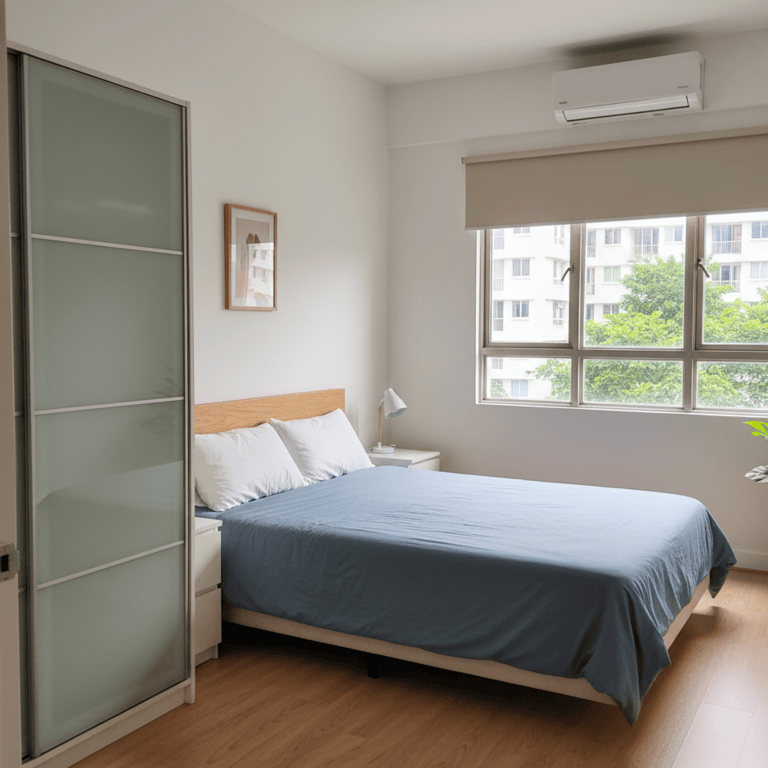
Ask about air-con use and costs. Many HDB owners let you run it at night but expect you to share the electricity bill or servicing costs. Check that the air-con unit is working well. If it's older, it might be noisier or less efficient.