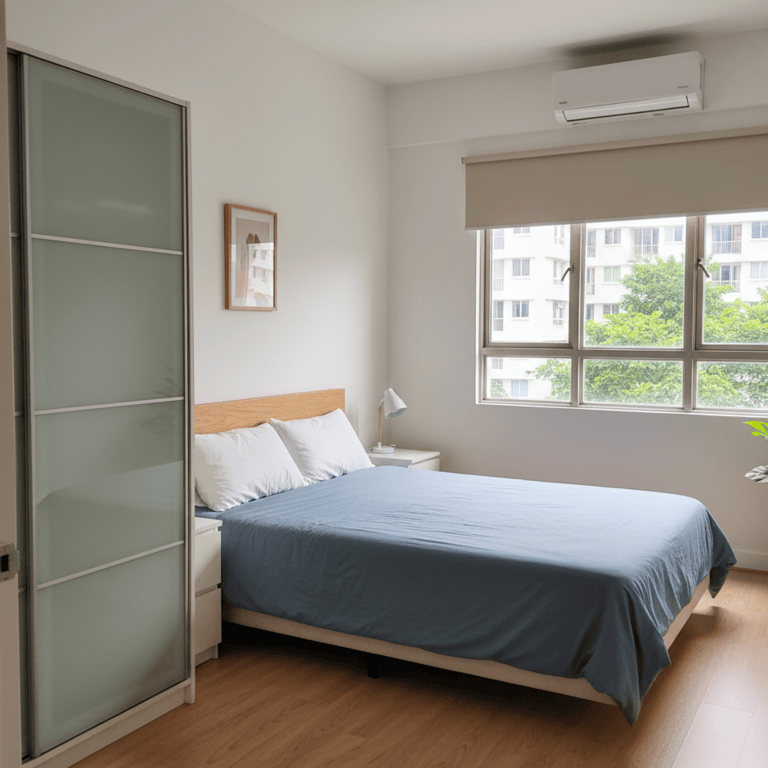
Yes. Check that there’s an aircon in each bedroom and the living room. Make sure they all work. Also note the number of power outlets in each room. Some older flats have few sockets, so ensure there’s one where you plan to put your TV or computer. If not, you’ll need extension cords. Knowing this upfront helps you plan.
Popular facilities like BBQ pits, function rooms, and tennis courts often require advance booking and may have peak time restrictions. Weekend slots fill up quickly, especially for BBQ areas. Some facilities have time limits or cleaning deposits. Download the condo's app or check with management about booking procedures, cancellation policies, and any additional charges for facility usage.
Research the area's safety record, future development plans, and property value trends. Check proximity to essential services like hospitals, schools, and shopping centers. Evaluate public transport connectivity and traffic patterns during peak hours. Consider the community demographics and whether the neighborhood aligns with your lifestyle preferences and long-term plans.
Corner units typically offer better ventilation, more natural light, additional windows, and sometimes larger layouts. They may also have less shared walls with neighbors, providing more privacy. However, they might be more expensive and could be noisier if facing main roads or having more external exposure.
Landed houses may have multiple entry points, ground-level access, and outdoor areas requiring different security considerations. Check all locks, consider motion sensors or security systems, and understand neighborhood security patterns. Establish routines for securing the property and coordinate with neighbors if appropriate.
Run taps and flush toilets to check water pressure (and watch for leaks). Turn on lights, fans, and air-con to ensure they work. Test any provided appliances as well. Check walls and ceilings for water stains or mold. Note any problems and have the landlord address them before move-in. Photograph any defects and attach them to the inventory to avoid end-lease disputes.
At move-in, note any existing damage (take photos) and inform the landlord immediately so you’re not held liable. At move-out, return the home in the same condition: clean thoroughly, fix any minor damage you caused, and ensure all items are returned. This way you should get your deposit back.
Clarify whether you can use gardens, patios, or outdoor areas, and what maintenance responsibilities you might have. Some landlords allow tenants to use outdoor spaces for relaxation or small gatherings, while others restrict access. Understand any rules about outdoor furniture, plants, or modifications.