2-bedroom units typically cost 60-80% more than 1-bedroom units, but when shared between two people, can be more economical per person than individual studios. Factor in additional costs like higher utility bills with more space to cool and light. Consider whether the extra space and privacy justify the higher cost for your lifestyle and budget.
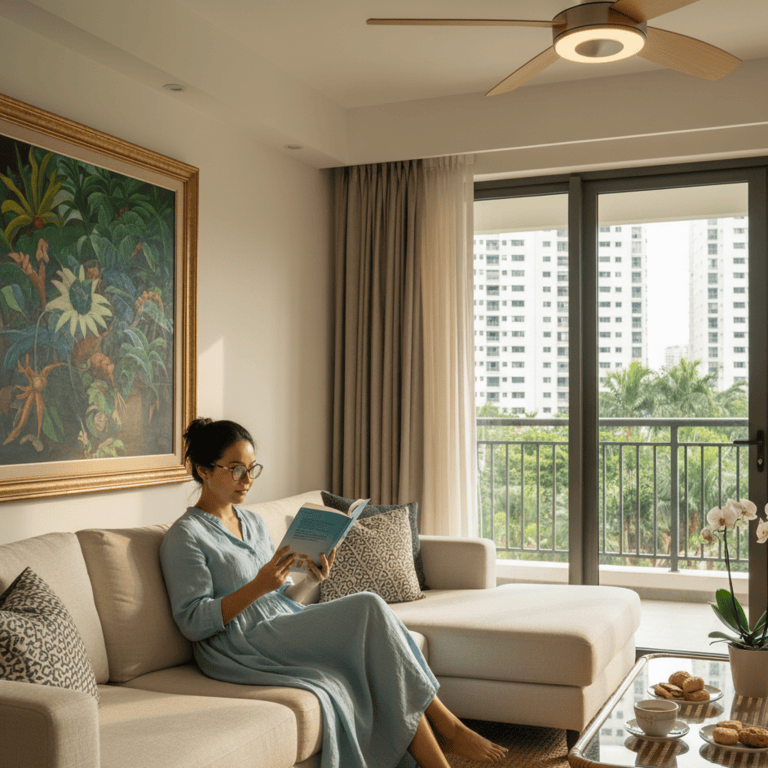
Condo living often attracts young professionals and expatriates, creating diverse, international housemate communities. Expect higher living standards and potentially more transient housemates who may move frequently for work. The facilities create natural social opportunities - you might meet neighbors at the pool or gym. However, this can also mean more temporary relationships compared to HDB community living.
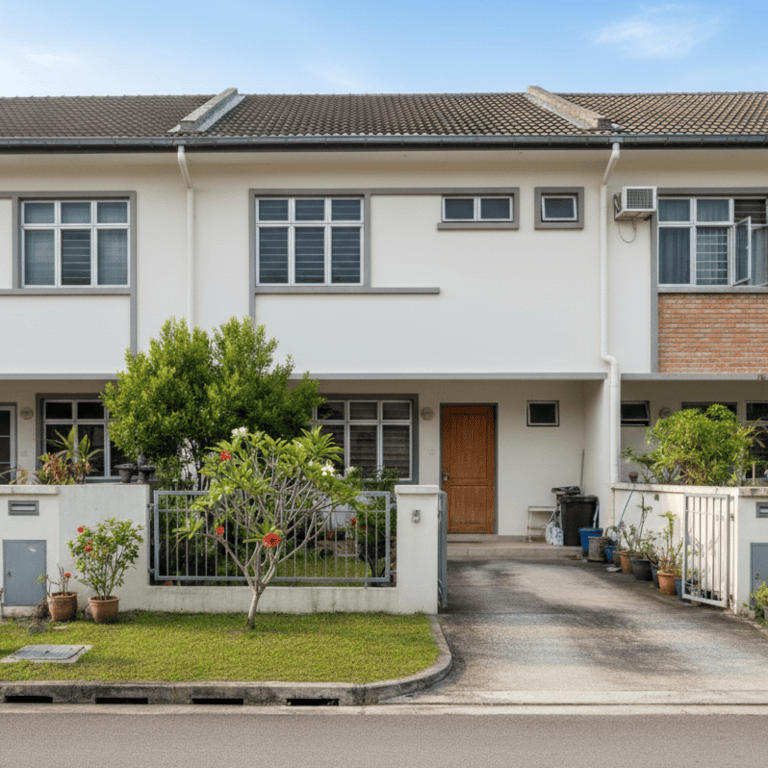
Multi-story landed houses can have complex privacy dynamics with bedrooms on different levels. Consider noise transmission between floors, whether your room has direct access or requires passing through common areas, and how bathroom sharing works across floors. Upper floor rooms may offer more privacy but require consideration of stairs and emergency access.
HDB living means thinner walls, so noise travels easily between units and rooms. Be considerate with music, phone calls, and movement during quiet hours. Cooking smells can also spread quickly - use exhaust fans and keep doors closed when cooking strong-smelling food. The close-knit community feel means neighbors often know each other, which can be comforting but also means less anonymity.
Living alone means being prepared for emergencies like power outages, water leaks, or medical issues. Keep emergency contacts readily available, know your building's security and maintenance procedures, maintain a basic first aid kit, and establish check-in routines with family or friends. Know your neighbors and building management for urgent situations when you can't reach your landlord.
Open kitchens feel social and spacious but spread cooking smells. Closed kitchens contain noise and grease better. Think about your cooking style, ventilation, and how often you host. The right choice depends on whether you prioritize openness or cleanup ease.
Choose multi-functional furniture like a loft bed with desk underneath or storage ottomans. Use mirrors to create illusion of space and maximize natural light with light-colored curtains. Vertical storage solutions like wall-mounted shelves save floor space. Keep the room clutter-free and consider a small fan for better air circulation if the room feels stuffy.
Yes, definitely. With four bedrooms, you probably have a spare room that can become an office or hobby space. It’s common to turn the extra room into a study, art studio, home gym, etc. You don’t have to use all bedrooms for sleeping. Furnish that room for its purpose (desk, shelves, workout gear, etc.). If needs change, you can turn it back into a bedroom, but it’s great to have that flexibility.