Agree on clear house rules with your flatmates early. Clarify quiet hours, overnight guests, cooking frequency, kitchen use, fridge space, and laundry timing. Discuss cleaning expectations for kitchen and bathrooms. Check rules about smoking or pets. Setting these expectations from the start helps prevent conflicts and keeps everyone comfortable.
Large units require more planning for furniture placement, multiple trips, and potentially professional movers. Book moving services early, plan room assignments in advance, and coordinate utility connections. Consider hiring cleaning services and factor in longer setup time to make the large space feel like home.
You need to plan beyond just monthly rent. Budget for your security deposit, utility bills (electricity, water, gas), internet, and any regular maintenance or air-con servicing costs. Also factor in moving expenses and possible agent fees.
Look for units where bedrooms are well-separated, preferably not all clustered together. Check sound insulation between rooms, whether there are multiple bathroom facilities, and if common areas allow for both social interaction and private space. Consider the unit's layout for natural privacy zones.
Learn the visitor registration system, understand security procedures for guests, and know the protocols for deliveries and service personnel. Some condos have strict visitor policies, time restrictions, or require advance registration. Ensure your guests understand and follow building security requirements.
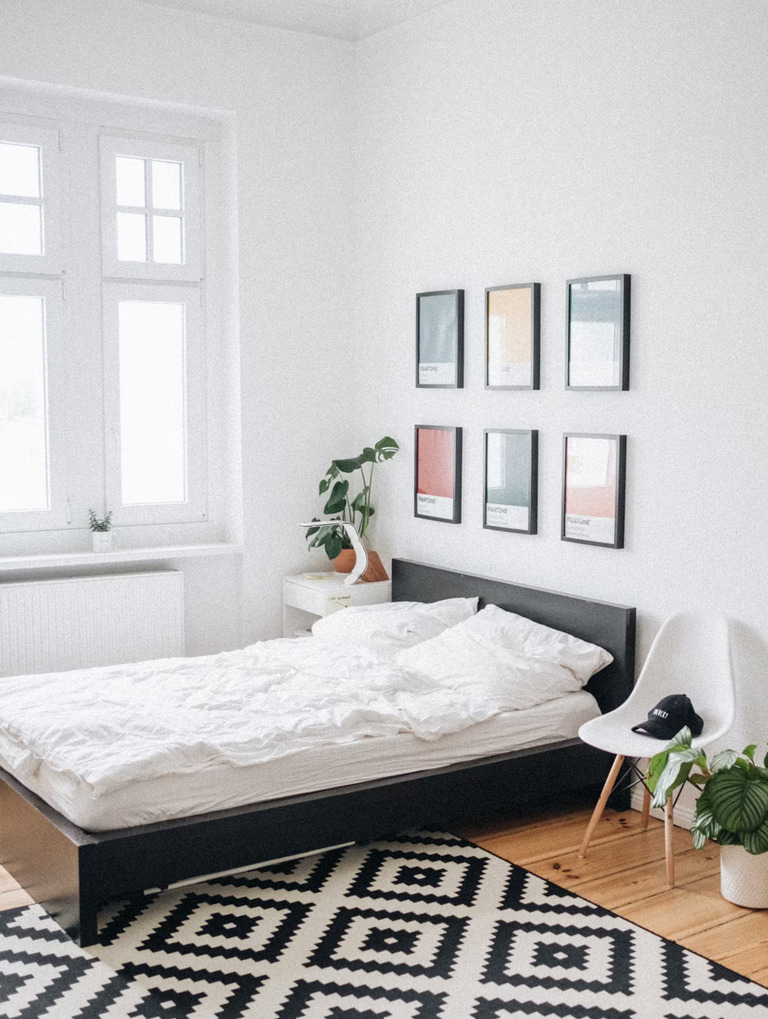
A studio apartment is basically one open room (with a separate bathroom). It's best for a single person or a couple who don't mind a compact space. If you prefer minimal upkeep and everything in one area, a studio could suit you.
Some noise might travel, yes. If the two bedrooms share a wall, you may hear talking or TV from the other room. Layouts that put bedrooms on opposite sides of the living room help. Also, newer buildings often have thicker walls.
Choose multi-functional furniture like a loft bed with desk underneath or storage ottomans. Use mirrors to create illusion of space and maximize natural light with light-colored curtains. Vertical storage solutions like wall-mounted shelves save floor space. Keep the room clutter-free and consider a small fan for better air circulation if the room feels stuffy.