Void decks host community events, celebrations, and sometimes funeral wakes that can create noise and activity. Lower floor rooms may be more affected by these activities. While these are part of HDB community life, understand the typical schedule and duration of events, and plan accordingly for noise-sensitive activities like sleep or work calls.
Many are, but not all. Confirm air‑con in your room, servicing schedule, usage rules, and who pays for maintenance. Older compressors may be less efficient and noisier.
Learn the visitor registration system, understand security procedures for guests, and know the protocols for deliveries and service personnel. Some condos have strict visitor policies, time restrictions, or require advance registration. Ensure your guests understand and follow building security requirements.
Rental demand typically peaks during university intake periods (July-August and January) and expat relocation seasons (June-August and December-January). Prices may be higher during these periods. Consider timing your search during off-peak months for better deals and more negotiating power. Chinese New Year period often sees reduced activity.
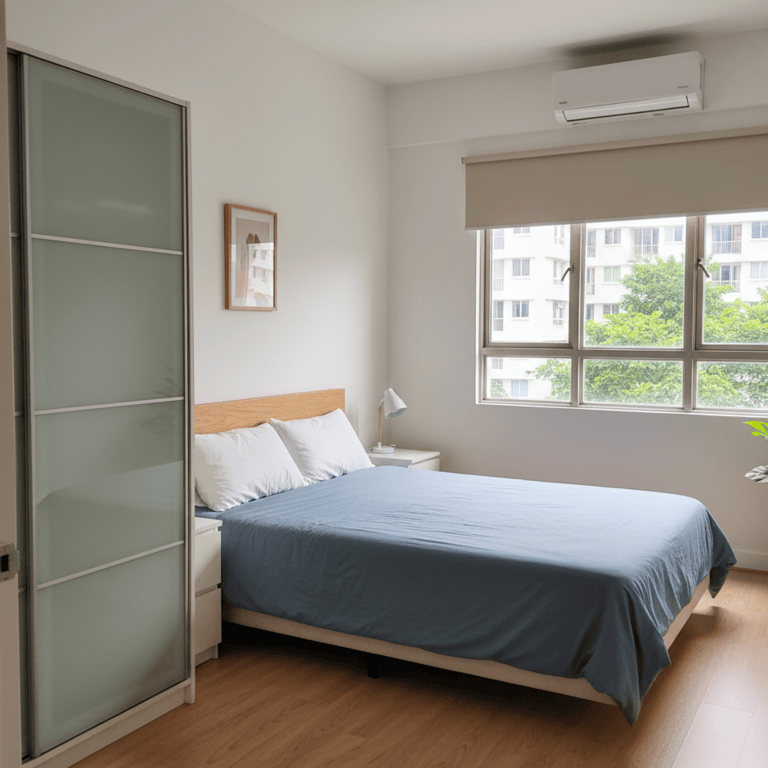
Ventilation and sunlight can make a small room feel more comfortable and livable. Natural light makes the space feel more open and pleasant, and it can even improve your mood. See if it has a window that opens to outdoors (and not just into a corridor or airwell). Good ventilation and light are key for your daily comfort in that space.
Large units require more planning for furniture placement, multiple trips, and potentially professional movers. Book moving services early, plan room assignments in advance, and coordinate utility connections. Consider hiring cleaning services and factor in longer setup time to make the large space feel like home.
Decide early on how to keep the place clean. Many housemates create a rotating chore schedule so each person takes turns cleaning common areas (like kitchen, bathroom) each week. Alternatively, some households chip in to hire a part-time cleaner for a couple of hours weekly or bi-weekly. The key is to ensure everyone is on board with the plan. Also, basic etiquette helps – everyone should clean up after themselves (wash your dishes, don’t leave personal stuff all over common spaces) so the home stays tidy day-to-day.
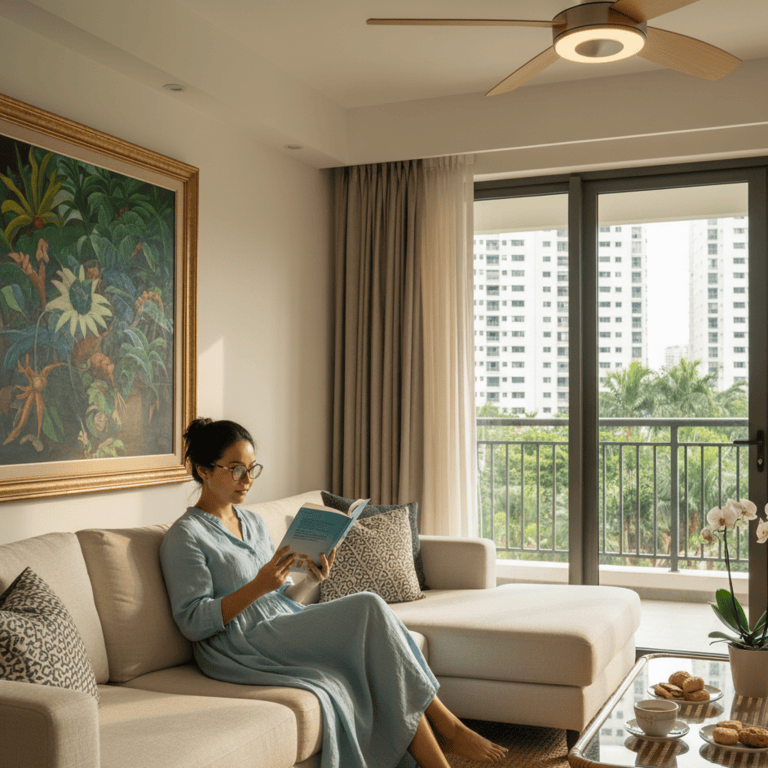
HDB flats typically offer more space and functional layouts for the price. You’ll likely appreciate everyday conveniences nearby. Focus on block condition, lift reliability, and airflow. If you value community feel and straightforward living, HDB can be a comfortable fit.