Look for stains on ceilings, peeling paint, and musty smells after rain. Outside, inspect gutters, downpipes, and ground drains for blockages. Ask about recent roof repairs and how quickly water pooling or leaks are handled when reported.
Landlords typically have property insurance, but this doesn't cover your personal belongings. Consider renter's insurance for your possessions and personal liability. Some policies cover temporary accommodation if the unit becomes uninhabitable. Check if your landlord requires you to have insurance and understand what's covered under their policy versus what you need to protect yourself.
Ask whether pets are allowed, any size or breed restrictions, and cleaning expectations before move out. Disclose allergies or sensitivities early. If you need small modifications, like childproof latches, get written consent and agree on reinstatement responsibilities.
Use the second bedroom as a study (or an office/guest room combo). If both bedrooms are in use, find a nook in the living or dining area for a desk. For instance, a small desk by a window can serve as a cozy work spot. Pick a corner that doesn't disrupt daily living.
Coordinate with your roommate about quiet hours, morning routines, and shared space usage during different schedules. Consider soundproofing measures like rugs, curtains, or white noise machines. Discuss kitchen and bathroom usage during early morning or late night hours. Establish guidelines for guests and entertainment when one person is sleeping.
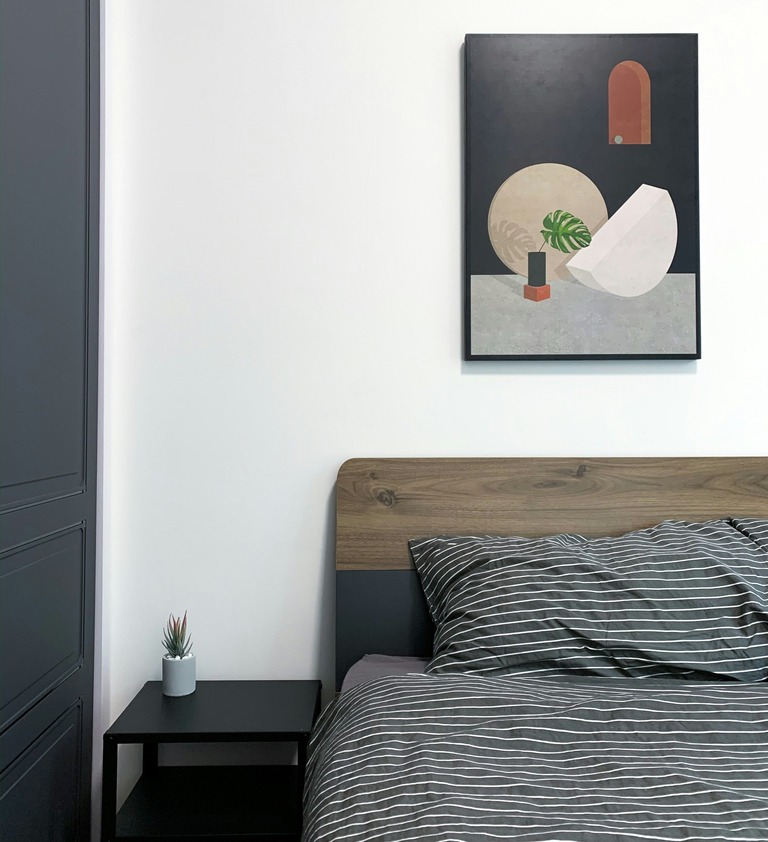
Measure wardrobe depth, check for full-length hanging, and look for shelves that suit daily items. Visualize bed placement, door swing, and airflow. Make sure a desk or cot fits without blocking pathways or covering sockets and switches.
Ask about air-con use and costs. Many HDB owners let you run it at night but expect you to share the electricity bill or servicing costs. Check that the air-con unit is working well. If it's older, it might be noisier or less efficient.
Master rooms command premium rent due to size and ensuite access. Research comparable listings to understand market rates. Consider negotiating longer lease terms for rent stability, or ask about inclusive utility caps to manage higher consumption costs. Some landlords offer furnished master rooms - evaluate if the premium is worth the convenience.