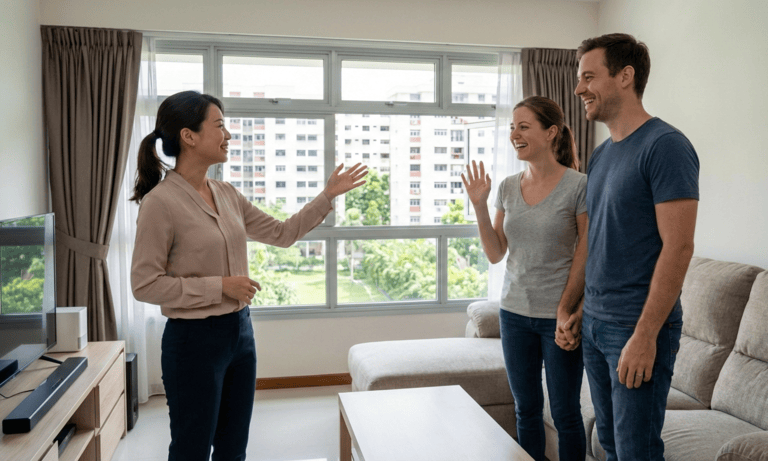
Agree which tasks are tenant responsibilities, like light bulbs and basic filters, versus landlord duties. Report issues early and follow the preferred contact channel. Keep receipts and before-after photos so reimbursements or approvals remain straightforward later.
Set polite boundaries. Keep your door closed or locked when you need personal space or quiet. Communicate with housemates about quiet hours (for example, agree on lowering noise after a certain time at night). Use headphones if you’re watching movies or listening to music late. Respecting each other’s schedules and discussing noise or privacy concerns openly will help everyone coexist comfortably.
Even with more space, it’s wise to plan storage to avoid clutter. Use the built-in wardrobes in the bedrooms. If one bedroom is spare, add extra shelves or cabinets there. Use any storeroom or utility room for bulky items. Assign each type of item a spot so storage is spread out. And declutter regularly even with more room.
HDB's ethnic integration policy may limit rental options based on the current ethnic composition of the block. This affects both tenants and landlords. Be prepared for potential limitations and understand that this is a government policy designed to maintain racial harmony, not discrimination by individual landlords.
1-bedrooms can work well for couples who spend time together and don't need separate workspaces. Consider whether you both work from home, have different sleep schedules, or need personal space. Check if the living area can accommodate both partners' belongings and activities comfortably.
Landlords typically have property insurance, but this doesn't cover your personal belongings. Consider renter's insurance for your possessions and personal liability. Some policies cover temporary accommodation if the unit becomes uninhabitable. Check if your landlord requires you to have insurance and understand what's covered under their policy versus what you need to protect yourself.
HDB 2-bedroom units offer more space and value but fewer amenities. Condo 2-bedrooms cost more but include facilities like pools and gyms. Landed 2-bedroom units (rare) provide maximum privacy and space but highest costs. Consider your priorities: budget and space (HDB), amenities and lifestyle (condo), or privacy and outdoor space (landed).
Agree on clear house rules with your flatmates early. Clarify quiet hours, overnight guests, cooking frequency, kitchen use, fridge space, and laundry timing. Discuss cleaning expectations for kitchen and bathrooms. Check rules about smoking or pets. Setting these expectations from the start helps prevent conflicts and keeps everyone comfortable.