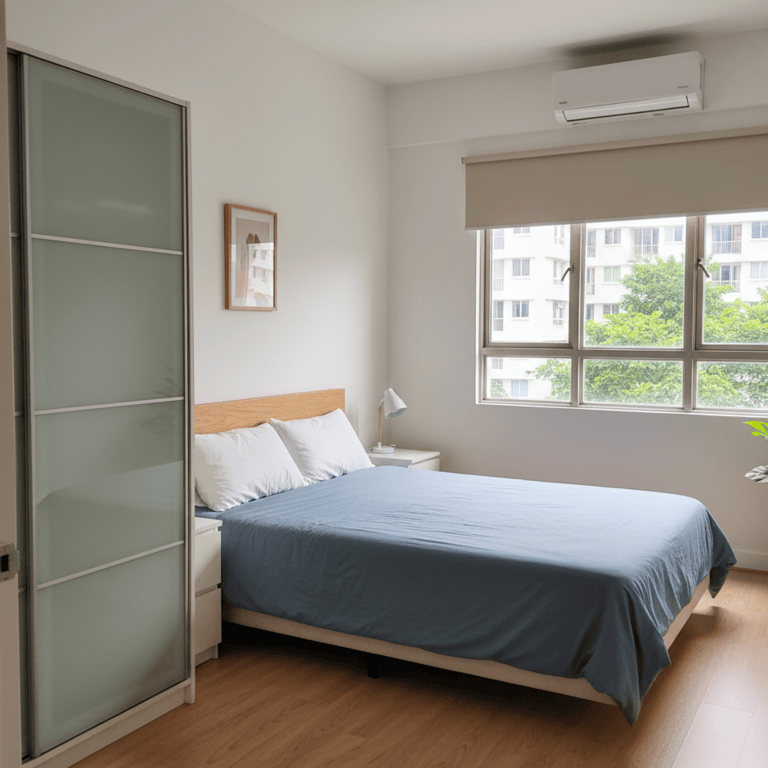
Ventilation and sunlight can make a small room feel more comfortable and livable. Natural light makes the space feel more open and pleasant, and it can even improve your mood. See if it has a window that opens to outdoors (and not just into a corridor or airwell). Good ventilation and light are key for your daily comfort in that space.
Landed properties typically have higher utility costs due to size, multiple levels, and outdoor areas. Understand how water, electricity, and gas are metered, whether outdoor lighting or water features affect costs, and if there are separate meters for different areas. Budget accordingly for potentially significant utility expenses.
Calculate total monthly costs including rent, utilities, maintenance fees, and transport costs, then divide by usable square footage. Factor in efficiency of space usage - a well-designed 1-bedroom may offer better value than a poorly laid out larger unit. Consider included amenities, storage space, and whether the layout maximizes livable area versus wasted corridor or awkward spaces.
Address issues early through calm, direct conversation before they escalate. Use 'I' statements to express how situations affect you rather than making accusations. Suggest practical solutions and be willing to compromise. If direct communication fails, involve the landlord or main tenant as a mediator. Document serious issues and consider whether the living situation is sustainable long-term.
Yes, even a tiny balcony is useful. You can sit outside for fresh air—place a small chair and table to create a cozy outdoor corner. Some tenants use balconies to dry laundry (if allowed) or grow a few potted plants. It's like having a little extra outdoor space for relaxation.
Usually yes, but it’s important to clarify the rules. Ask your landlord or flatmates about kitchen use: Can you cook full meals anytime or is it “light cooking only”? Also, check how fridge space is shared. Make sure you clean up after using the kitchen (wash your dishes, wipe the stove) as a courtesy. As long as everyone respects common areas, you should be able to use the kitchen and store your groceries in the fridge without issue.
Expect a quieter, more suburban lifestyle with potentially longer commutes to city centers. You'll have more space and privacy but fewer nearby amenities compared to HDB or condo living. The pace is generally slower, with more responsibility for property upkeep. Consider whether you prefer the space and tranquility over urban convenience and connectivity.
For unit-specific issues, contact your landlord first. For common area problems or facility issues, you can report directly to condo management. Some condos have apps or online portals for maintenance requests. Understand the difference between landlord responsibilities (your unit) and management responsibilities (common areas) to report issues to the right party efficiently.