HDB's ethnic integration policy may limit rental options based on the current ethnic composition of the block. This affects both tenants and landlords. Be prepared for potential limitations and understand that this is a government policy designed to maintain racial harmony, not discrimination by individual landlords.
Open kitchens feel social and spacious but spread cooking smells. Closed kitchens contain noise and grease better. Think about your cooking style, ventilation, and how often you host. The right choice depends on whether you prioritize openness or cleanup ease.
Request written consent before drilling or painting. Confirm patching and color reinstatement at move out. Keep invoices for any professional work. Small changes can improve livability, but agreeing responsibilities now prevents friction when returning the unit later.
Verify the main tenant has landlord approval to sublet by asking to see the original lease agreement. For HDB rooms, check that the flat meets minimum occupancy requirements and ethnic quota rules. Ensure the person renting to you is actually authorized - meet them in person and verify their identity. Get everything in writing including house rules, deposit terms, and notice periods. Be wary of cash-only transactions or reluctance to provide documentation.
Maximize vertical space with over-door organizers, under-bed storage boxes, and wall-mounted shelves that don't require drilling. Use multi-functional furniture like storage ottomans. Check if you can use common area storage like store rooms or if the landlord allows additional furniture.
Condo management committees can make decisions about facility usage, renovation rules, and additional charges that affect tenants. While you can't vote, stay informed about upcoming decisions through your landlord. Major changes like facility closures or new rules may impact your rental experience. Good landlords will communicate these changes and their implications.
While landlords pay maintenance fees directly, these costs often influence rental prices. Understand what facilities and services these fees cover, as higher fees might mean better maintenance and amenities. Ask about any special assessments or major repair works that might affect the building during your tenancy.
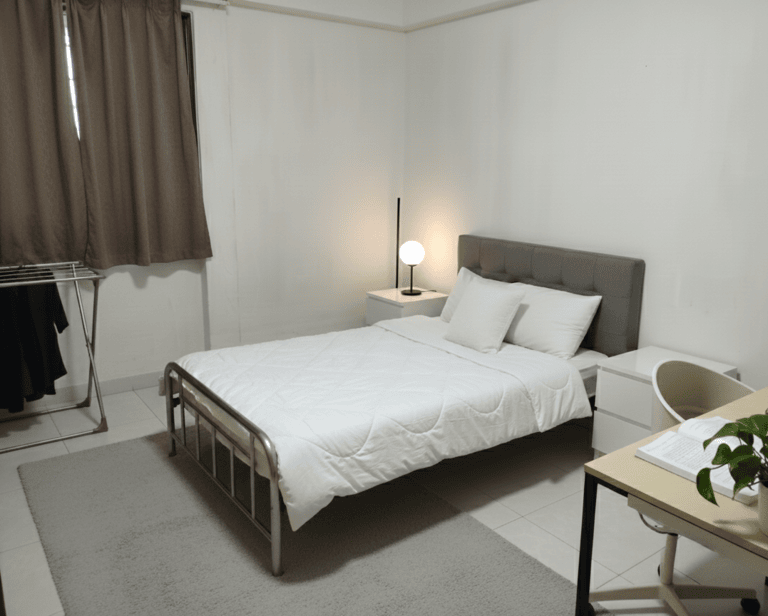
You can use a spare bedroom in many ways. It could be your home office or study, a guest room for visitors, or even a hobby room. Some people turn the extra room into a walk-in closet or extra storage. Essentially, it's bonus space you can adapt to your needs.