HDB estates periodically undergo upgrading works that can last months. This includes lift upgrading, facade improvements, and infrastructure updates. Renovation noise from neighbors is also common and allowed during specific hours (usually 9am-6pm on weekdays). Check if any major upgrading works are planned for your block before signing a lease.
Yes, but you need to plan your space carefully. Dedicate a corner for a small desk (or a foldable wall-mounted desk)6}. Use a shelf or curtain to separate your “office” from your bed. Having that defined work zone helps you focus in a studio.
Yes, definitely. With four bedrooms, you probably have a spare room that can become an office or hobby space. It’s common to turn the extra room into a study, art studio, home gym, etc. You don’t have to use all bedrooms for sleeping. Furnish that room for its purpose (desk, shelves, workout gear, etc.). If needs change, you can turn it back into a bedroom, but it’s great to have that flexibility.
Landed houses can attract more pests (like mosquitoes, ants) since they’re at ground level and have gardens. Check for window screens and ask if regular pest control is done. Also look for water stains or damp spots that could signal roof or drainage leaks.
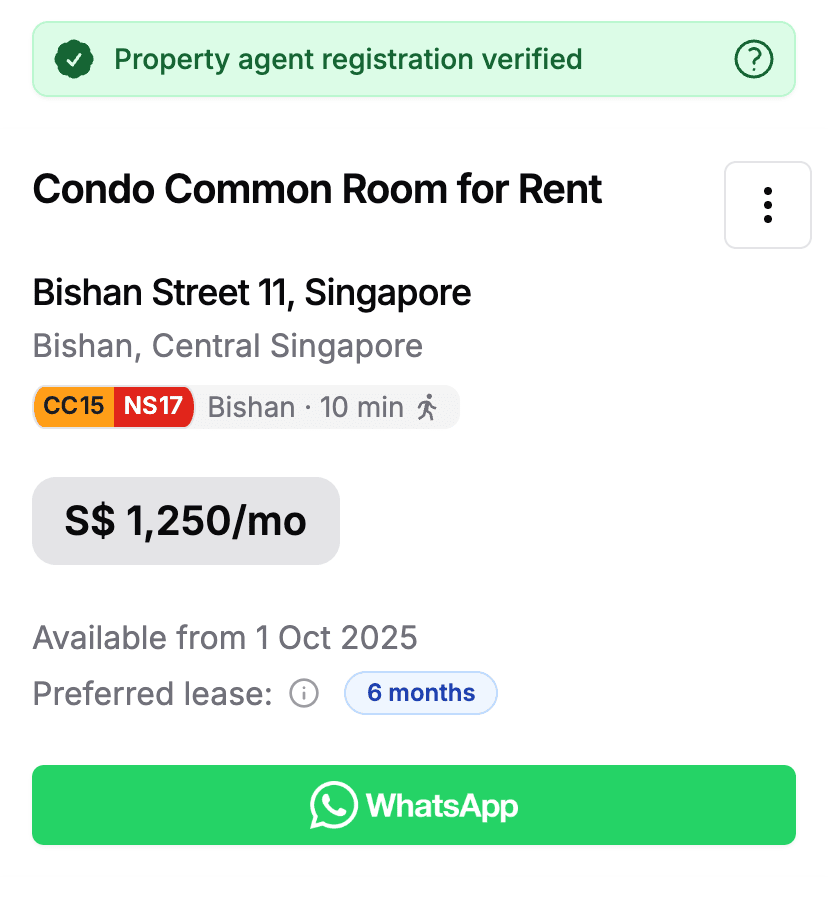
A common bedroom (smaller room without attached bath) is usually a fit for single renters who want a more budget-friendly option. You’ll trade privacy for affordability, so focus on good housemate fit, clear rules, and a layout that gives you a calm place to unwind.
Often 2-bedroom units have two bathrooms: usually one attached to the master bedroom and a second common bathroom. This is great for convenience. However, some 2-bedroom flats only have one shared bathroom. Check the listing. Two bathrooms make life easier, but one is still manageable if you plan your routines.
Master rooms typically consume more electricity due to larger space and ensuite bathroom usage. You'll likely run air-con longer, use more lighting, and the ensuite adds water heating costs. Discuss with housemates whether utility splitting accounts for room size differences or if everyone pays equally regardless of consumption.
Know your landlord's emergency contact and preferred repair service providers. For urgent issues like water leaks or electrical problems, act quickly to prevent damage and notify your landlord immediately. Keep receipts for emergency repairs - some landlords reimburse reasonable emergency costs. Understand what constitutes an emergency versus routine maintenance that can wait.