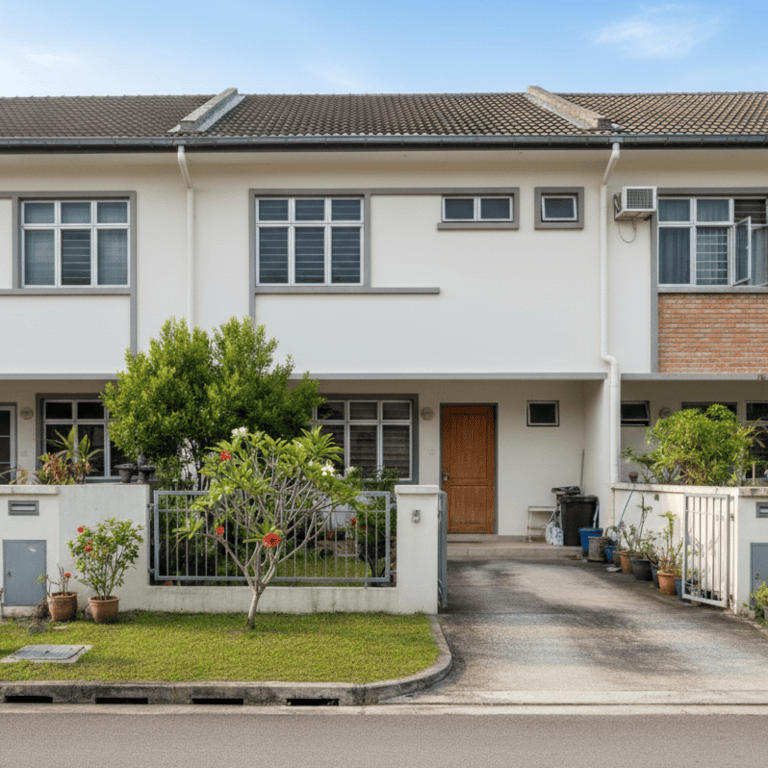
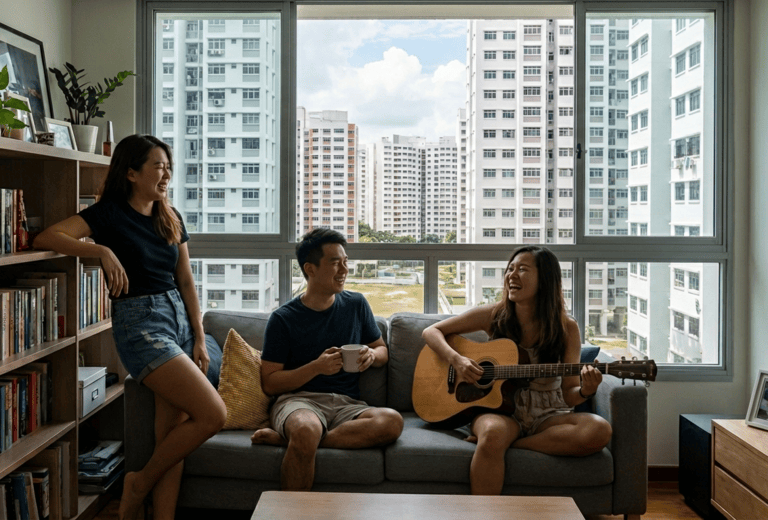
No private pools or gyms, but you’ll find community clubs, sports centres, and public pools nearby. Many tenants prefer the neighbourhood feel and everyday convenience.
Older HDB flats have a rubbish chute inside – make sure its lid seals well to keep out odours and pests. Newer flats use a shared chute on each floor. If your flat is near that chute, you might catch an occasional smell, but it’s usually minor if kept clean.
Landed properties typically have higher utility costs due to size, multiple levels, and outdoor areas. Understand how water, electricity, and gas are metered, whether outdoor lighting or water features affect costs, and if there are separate meters for different areas. Budget accordingly for potentially significant utility expenses.
Singapore's vibrant food delivery scene means lots of packages arriving. Establish rules about receiving deliveries for absent housemates, sharing delivery fees for group orders, and storing food in shared fridges. Label your items clearly and respect others' food. Consider setting up group orders for popular restaurants to save on delivery fees.
Consider your family's growth plans and changing needs over the lease period. Evaluate room sizes for current and future occupants, proximity to schools and family-friendly amenities, and whether the layout supports aging in place. Factor in the total cost of ownership including utilities, maintenance, and potential rent increases. Choose a location that balances space needs with commute convenience and community resources.
Clarify which accounts must be in your name and how meter readings are recorded at handover. Photograph readings and sockets you’ll use heavily. Schedule installation visits early so internet and power changes don’t disrupt your first week routines.
Living alone can be isolating, so actively build social connections through neighborhood activities, building events, co-working spaces, or hobby groups. Consider inviting colleagues or friends over regularly, join community centers or sports clubs nearby, and maintain regular contact with family and friends. Balance the privacy benefits of solo living with intentional social engagement.
Modern units may include smart locks, video intercoms, app-controlled air-conditioning, or smart lighting. Understand how these systems work and whether you'll have admin access. Check if these features increase your rent or utility costs, and ensure you're comfortable using the technology.