Agree which tasks are tenant responsibilities, like light bulbs and basic filters, versus landlord duties. Report issues early and follow the preferred contact channel. Keep receipts and before-after photos so reimbursements or approvals remain straightforward later.
Calculate total monthly costs including rent, utilities, maintenance fees, and transport costs, then divide by usable square footage. Factor in efficiency of space usage - a well-designed 1-bedroom may offer better value than a poorly laid out larger unit. Consider included amenities, storage space, and whether the layout maximizes livable area versus wasted corridor or awkward spaces.
Condo deliveries are usually held by security when you’re out. Couriers drop packages at the guardhouse or concierge instead of outside your door. You’ll be notified when something arrives so you can collect it. This keeps parcels secure, but you will need to pick them up from the guard post.
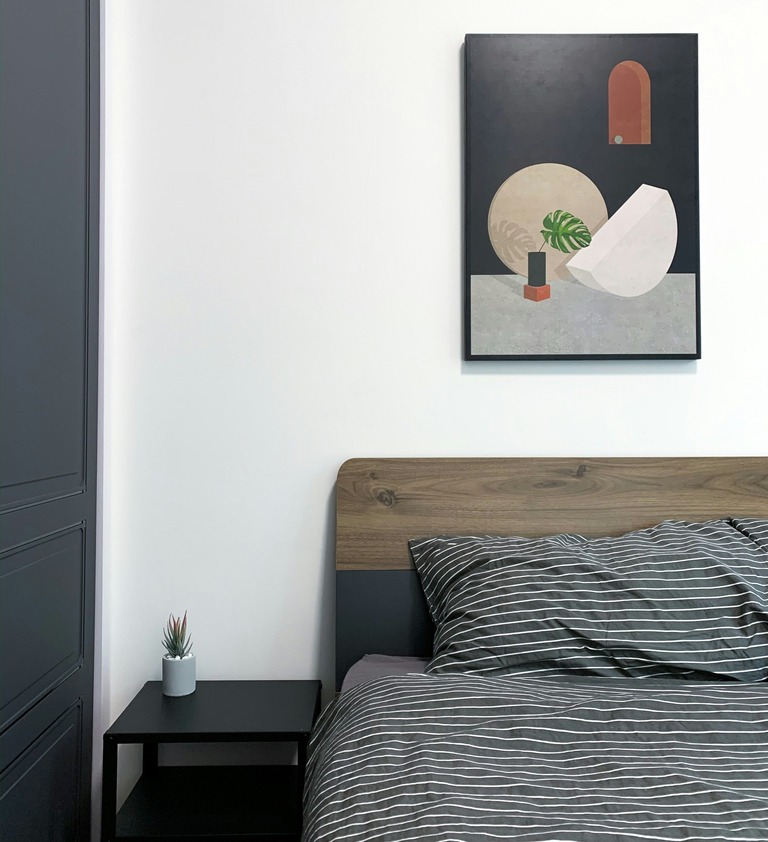
A lot of 1-bedroom units have small bedrooms. A queen-size bed usually fits, but a king-size might be a tight squeeze. With a king, you might have little room left for bedside tables or a dresser. Always check the room dimensions beforehand to ensure you can still move around comfortably.
Use multi-functional furniture like storage beds, extendable dining tables, and wall-mounted desks. Create defined zones with room dividers or furniture placement. Utilize vertical storage, under-stair spaces, and consider whether the living area can double as a workspace or guest room when needed.
With 4 bedrooms, you likely have multiple occupants requiring good communication systems. Consider shared calendars for bathroom schedules, cleaning rotations, and common area usage. Establish house rules early about guests, noise levels, and shared resource usage. Regular house meetings help address issues before they become conflicts. Clear labeling of personal items in shared spaces prevents confusion.
Students and young professionals often prefer HDB rooms for affordability and convenience. Expat families typically choose condos for amenities and international community. Established families might opt for landed houses for space and privacy. Consider your lifestyle priorities: budget-conscious renters suit HDB, amenity-seekers prefer condos, and space-needing families benefit from landed properties.
Studios are energy-efficient to cool with one air-con unit covering the entire space. However, cooking heat and humidity affect the whole living area immediately. Good ventilation becomes crucial - ensure windows open for cross-ventilation and the kitchen has effective exhaust. Consider the orientation and whether the unit gets direct sunlight, which can make small spaces uncomfortably warm.