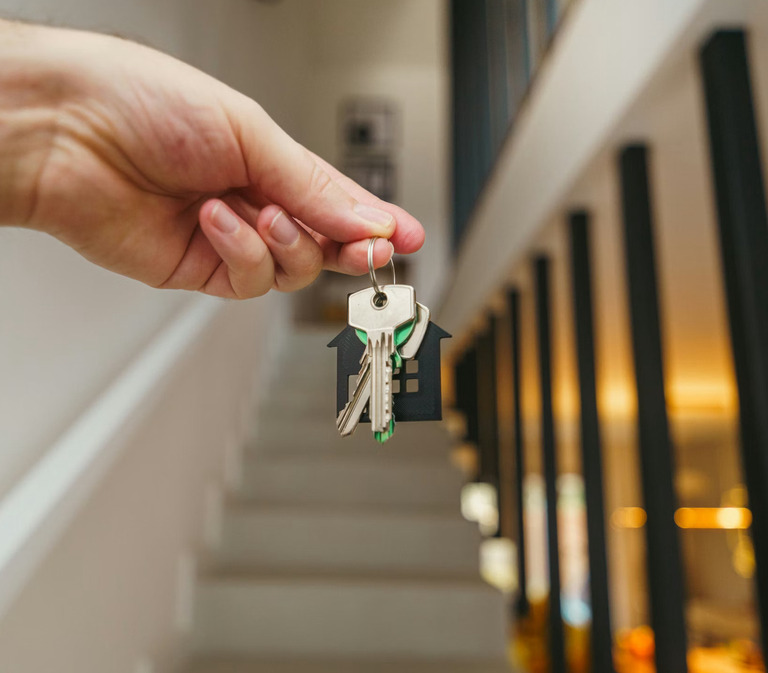
At move-in, note any existing damage (take photos) and inform the landlord immediately so you’re not held liable. At move-out, return the home in the same condition: clean thoroughly, fix any minor damage you caused, and ensure all items are returned. This way you should get your deposit back.
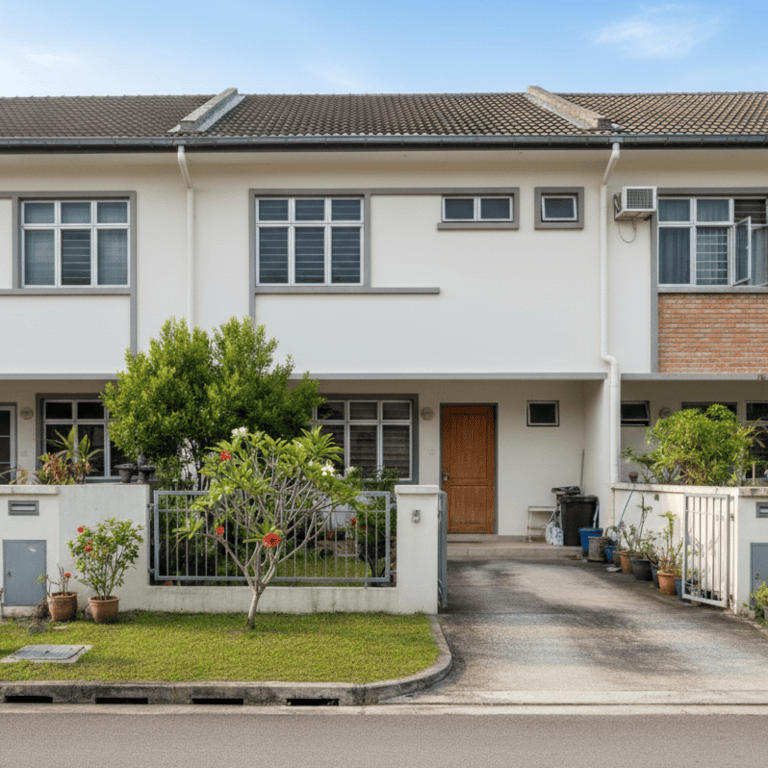
Landed properties typically have higher utility costs due to size, multiple levels, and outdoor areas. Understand how water, electricity, and gas are metered, whether outdoor lighting or water features affect costs, and if there are separate meters for different areas. Budget accordingly for potentially significant utility expenses.
Decide early on how to keep the place clean. Many housemates create a rotating chore schedule so each person takes turns cleaning common areas (like kitchen, bathroom) each week. Alternatively, some households chip in to hire a part-time cleaner for a couple of hours weekly or bi-weekly. The key is to ensure everyone is on board with the plan. Also, basic etiquette helps – everyone should clean up after themselves (wash your dishes, don’t leave personal stuff all over common spaces) so the home stays tidy day-to-day.
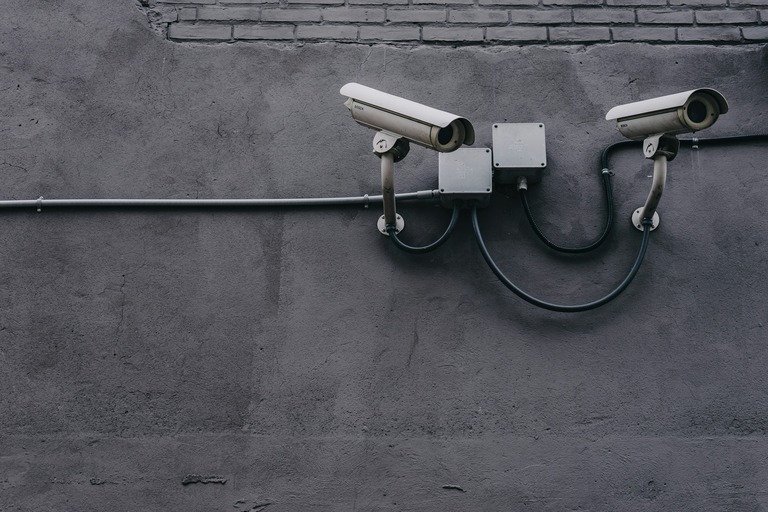
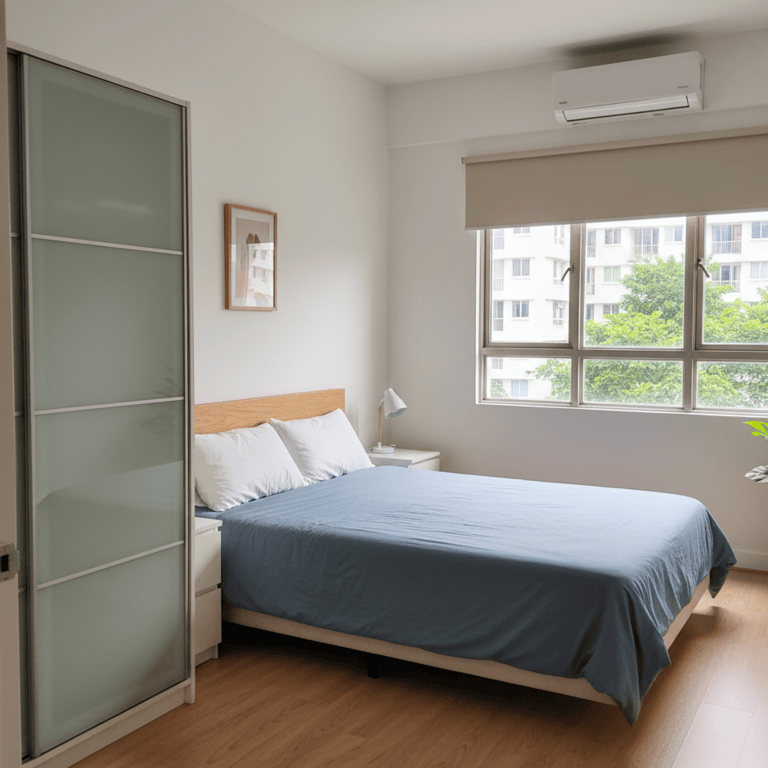
Common rooms near front doors or main corridors may have security considerations. Ensure your room has a good lock and consider a door chain. Keep valuables secured and curtains closed for privacy. Check if the main door has proper security features. Some tenants install small safes or use lockable storage boxes for important documents and valuables.
Expect practical living with access to eateries, clinics, and everyday services nearby. Community spaces encourage casual interaction. Focus on block cleanliness, lift reliability, and nearby shops. Daily errands are usually straightforward without needing long travel or planning.
Run the shower and taps to test water pressure and hot water – make sure it heats up and flows well. Flush the toilet to ensure it works properly. Look around for any signs of leaks or mold (check under the sink and around the edges of the shower). See if there’s a ventilation fan or window, because you’ll want moisture to escape to prevent mildew.
Condo management committees can make decisions about facility usage, renovation rules, and additional charges that affect tenants. While you can't vote, stay informed about upcoming decisions through your landlord. Major changes like facility closures or new rules may impact your rental experience. Good landlords will communicate these changes and their implications.
Renting a condo unit gives you on-site amenities and added security. You’ll typically have access to facilities like a swimming pool, gym, and BBQ areas. Condos also provide a gated, secure environment (often with guards or access cards), which means more privacy and peace of mind.