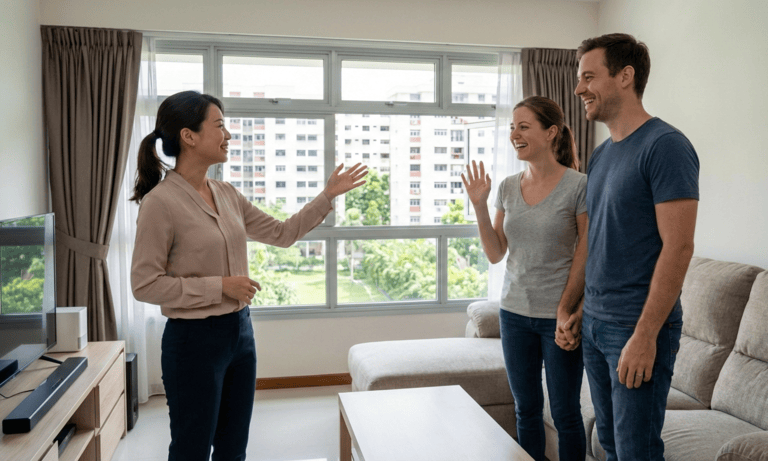
Use the additional space for a work area, reading nook, or exercise space. Consider whether you need all the space for bedroom functions or can create multiple zones. The extra room allows for larger furniture pieces, more storage, or simply a less cramped living environment.
For two roommates, equal-sized bedrooms (and ideally two bathrooms) are preferable. For a small family, a larger master and a smaller second bedroom (for a child or study) works fine. So it depends: roommates usually want a balanced layout, while families can manage with one bigger and one smaller room.
Students and young professionals often prefer HDB rooms for affordability and convenience. Expat families typically choose condos for amenities and international community. Established families might opt for landed houses for space and privacy. Consider your lifestyle priorities: budget-conscious renters suit HDB, amenity-seekers prefer condos, and space-needing families benefit from landed properties.
HDB rooms often have simpler finishes and fewer shared facilities but practical layouts and solid walls. You’ll trade pools or gyms for straightforward convenience. Prioritize block condition, elevator access, and nearby amenities over lifestyle facilities you won’t use.
With more people and activities, noise management becomes important for family harmony and neighbor relations. Check sound insulation between rooms, whether bedrooms are clustered together, and if living areas are separated from sleeping areas. Consider carpet or rugs for sound dampening.
Generally, HDB flats are most affordable, condominiums cost 30-50% more than comparable HDB units, and landed houses are the most expensive. However, prices vary significantly by location - a prime location HDB might cost more than a suburban condo. Factor in additional costs like condo maintenance fees, landed house utilities, and transport expenses when comparing total housing costs.
Many 3-bedroom units include a small service yard or utility area near the kitchen for laundry. It’s basically space for a washing machine and to hang clothes. Not all layouts have this, so check the floor plan. If a listing mentions a 'yard' or utility room, that usually means there’s a dedicated laundry area.
You can use a spare bedroom in many ways. It could be your home office or study, a guest room for visitors, or even a hobby room. Some people turn the extra room into a walk-in closet or extra storage. Essentially, it's bonus space you can adapt to your needs.