Short-term rentals (6 months or less) offer flexibility for uncertain situations but typically cost 10-20% more per month and provide less stability. Long-term leases (1-2 years) usually offer better rates, priority during renewals, and stable housing, but limit your ability to relocate quickly. Consider your career stability, relationship status, and life plans. Many landlords prefer long-term tenants and may offer incentives like rent freezes or minor upgrades.
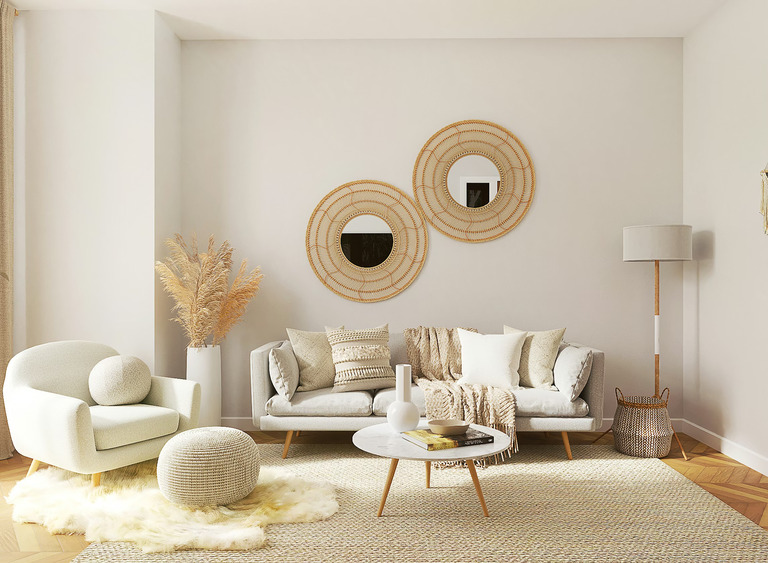
Furnished units have basic furniture and appliances provided, so moving in is easy but inspect condition and note what’s included. Unfurnished units come empty, meaning you must furnish the place yourself. It’s more work upfront, but you get to decorate it your way. Consider delivery logistics, lift bookings, storage needs, and whether you’ll keep or sell items at lease end.
Having a private attached bathroom is convenient – no sharing with others. You can use it anytime without waiting. However, you’ll be responsible for keeping it clean (there’s no one else using it). Check that the ensuite has good ventilation or a fan, since moisture can build up. Ensure the drainage slope, water pressure and hot water in the shower are good when you inspect. Overall, an ensuite adds comfort and privacy, but comes with the task of sole upkeep.
HDB estates often have nearby markets, food courts, clinics, schools, and community centers. Many have playgrounds, fitness corners, and resident committee activities. Check proximity to essential services, public transport, and whether the estate has active community programs that might interest you.
1-bedroom units offer better entertaining space than studios with separate living areas. However, overnight guests may need to use a sofa bed in the living room. Consider the bathroom situation - ensure guests don't need to go through your bedroom to access facilities. The kitchen size may limit your ability to cook for larger groups.
Ask about air-con use and costs. Many HDB owners let you run it at night but expect you to share the electricity bill or servicing costs. Check that the air-con unit is working well. If it's older, it might be noisier or less efficient.
Master rooms command premium rent due to size and ensuite access. Research comparable listings to understand market rates. Consider negotiating longer lease terms for rent stability, or ask about inclusive utility caps to manage higher consumption costs. Some landlords offer furnished master rooms - evaluate if the premium is worth the convenience.
Master rooms typically consume more electricity due to larger space and ensuite bathroom usage. You'll likely run air-con longer, use more lighting, and the ensuite adds water heating costs. Discuss with housemates whether utility splitting accounts for room size differences or if everyone pays equally regardless of consumption.