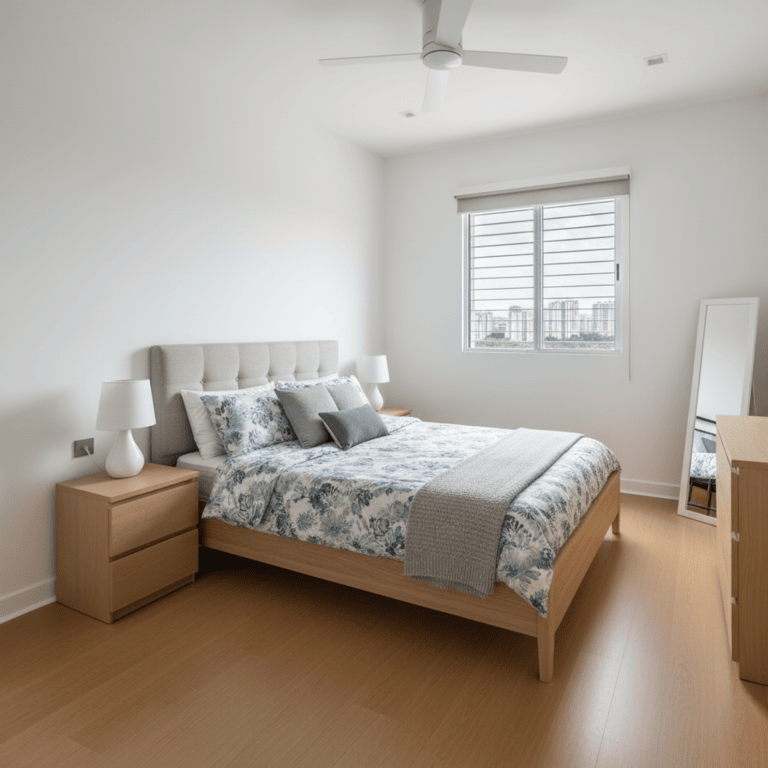
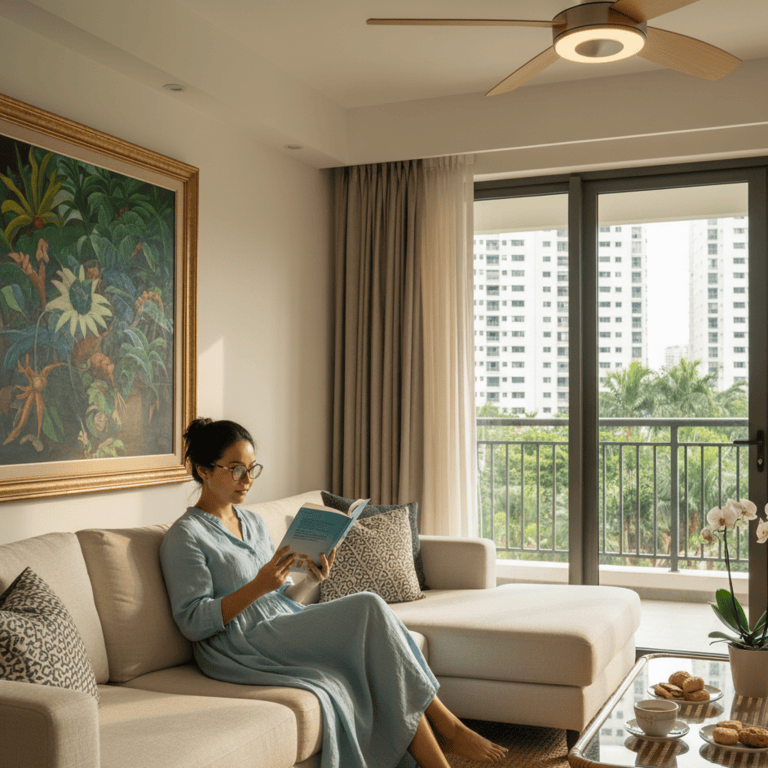
With multiple rooms and potentially multiple air-con units, electricity costs can be substantial. Consider zoned cooling - only cool rooms that are in use. LED lighting throughout the unit reduces electricity consumption. If sharing with others, discuss fair splitting of utilities based on actual usage patterns rather than equal division.
Yes, tenants can usually use condo facilities like the pool, gym, function rooms, or BBQ pits. Ensure the landlord gives you a resident access card. Some amenities require advance booking or small fees (e.g., BBQ pits or tennis courts), so check the condo’s booking procedures and rules.
You’ll likely enjoy space, privacy, and potential outdoor areas. You won’t share walls or floors with neighbors, so noise is less of an issue. It suits families, pet owners, or hobbies needing storage. In return, expect more maintenance involvement. Clarify responsibilities for gardens, drains, and exterior checks before signing the agreement.
Generally, yes. Landed homes are often in quieter residential areas, so public transport might be a longer walk away. If you don’t drive, check how close the nearest bus stop or MRT is. You’re gaining a quiet environment but giving up some convenience of easy transport access.
HDB regularly upgrades older estates with new lifts, facades, or facilities. While improvements are beneficial long-term, they can cause temporary noise, dust, and access disruptions. Check if any upgrading is planned during your lease period and how it might affect your daily routine and rent.
2-bedrooms can work for families with one or two young children, offering more space than a 1-bedroom while remaining affordable. Consider safety features, proximity to schools and parks, whether the layout allows parents to supervise children, and if there's adequate storage for family belongings and toys.
Confirm whether you’ll park on a driveway or street and how visitors should park. Test gate mechanisms and night lighting. If you own bicycles or scooters, ensure secure storage and a practical route without lifting heavy equipment up stairs.
Agree which tasks are tenant responsibilities, like light bulbs and basic filters, versus landlord duties. Report issues early and follow the preferred contact channel. Keep receipts and before-after photos so reimbursements or approvals remain straightforward later.