Check that the kitchen has adequate ventilation to prevent cooking smells from overwhelming the living space. Ensure sufficient counter space for meal prep and storage for kitchen essentials. Look for a proper range hood and consider the proximity to your sleeping area. Some studios have kitchenettes with limited cooking capabilities - confirm this meets your culinary needs.
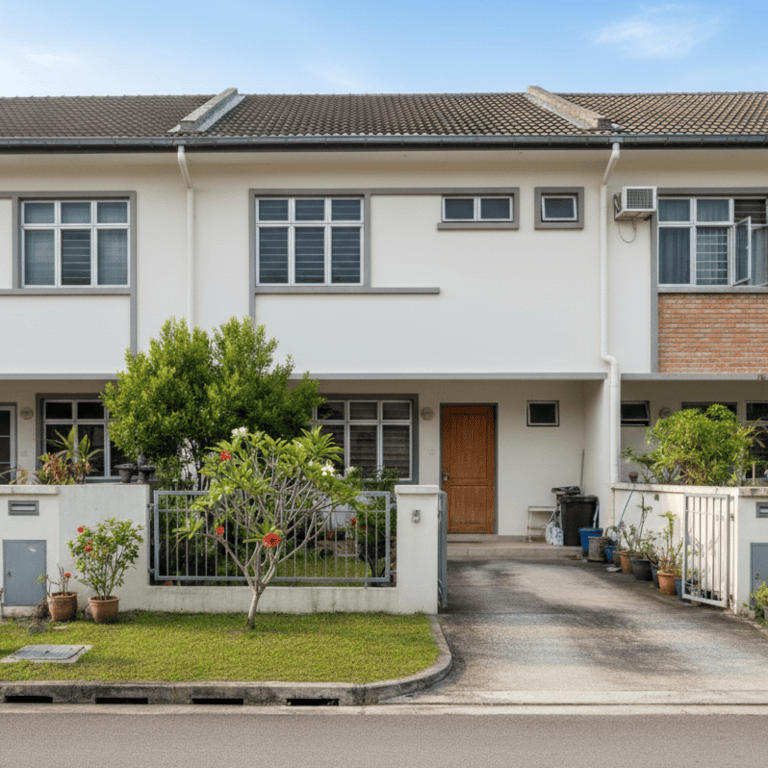
Landed houses can attract more pests (like mosquitoes, ants) since they’re at ground level and have gardens. Check for window screens and ask if regular pest control is done. Also look for water stains or damp spots that could signal roof or drainage leaks.
Yes. It should clearly state the monthly rent, the security deposit amount and conditions for return, what’s included in the rent (for example, are utilities or Wi-Fi covered?), the length of stay/notice period, and any specific house rules or restrictions. This protects both you and the landlord (or main tenant) by ensuring everyone knows the terms. Also, confirm that the landlord has approval to rent out the room (especially important in HDB flats, where there are rules on room rentals).
Maximize vertical space with over-door organizers, under-bed storage boxes, and wall-mounted shelves that don't require drilling. Use multi-functional furniture like storage ottomans. Check if you can use common area storage like store rooms or if the landlord allows additional furniture.
Research the area's safety record, future development plans, and property value trends. Check proximity to essential services like hospitals, schools, and shopping centers. Evaluate public transport connectivity and traffic patterns during peak hours. Consider the community demographics and whether the neighborhood aligns with your lifestyle preferences and long-term plans.
Landed houses offer more space and privacy but require different daily routines, potentially higher maintenance awareness, and different security considerations. You might have more outdoor responsibilities, different neighbor relationships, and need to manage larger spaces. Consider whether the lifestyle change aligns with your preferences and capabilities.
Set polite boundaries. Keep your door closed or locked when you need personal space or quiet. Communicate with housemates about quiet hours (for example, agree on lowering noise after a certain time at night). Use headphones if you’re watching movies or listening to music late. Respecting each other’s schedules and discussing noise or privacy concerns openly will help everyone coexist comfortably.
Know your landlord's emergency contact and preferred repair service providers. For urgent issues like water leaks or electrical problems, act quickly to prevent damage and notify your landlord immediately. Keep receipts for emergency repairs - some landlords reimburse reasonable emergency costs. Understand what constitutes an emergency versus routine maintenance that can wait.