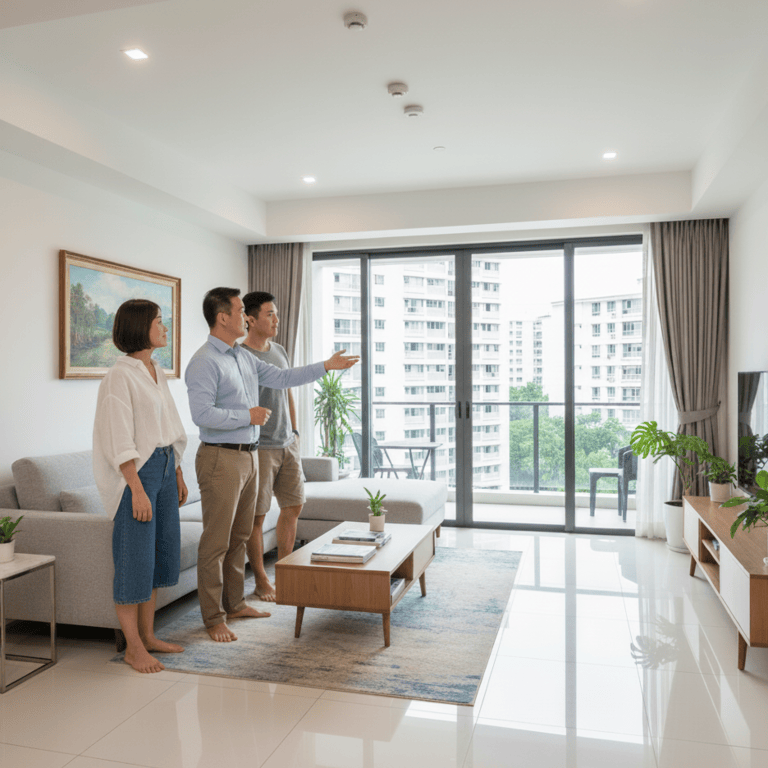
Moving to a master room means adjusting to more space, privacy, and responsibility. You'll have your own bathroom to maintain, potentially higher utility bills, and may be expected to take more household coordination responsibilities. Consider whether you're ready for the lifestyle change, can afford the premium, and want the additional privacy. The transition often comes with both benefits and increased expectations from landlords and housemates.
Yes, even a tiny balcony is useful. You can sit outside for fresh air—place a small chair and table to create a cozy outdoor corner. Some tenants use balconies to dry laundry (if allowed) or grow a few potted plants. It's like having a little extra outdoor space for relaxation.
Use multi-functional furniture and vertical space. For example, a bed with drawers underneath or shelves up high on the walls adds storage without taking floor space. Declutter regularly and use hidden storage (like ottomans or coffee tables with compartments) to keep your studio organized.
Newer HDB estates offer modern fittings, better insulation, and more efficient layouts, but rooms may be smaller and rent higher. Older estates provide more spacious rooms and lower rent, but may have aging infrastructure and require more maintenance. Newer estates often have better accessibility features and integrated amenities, while older ones offer more character and established community networks.
Many 1-bedroom flats have a bathroom door off the living room. But some layouts only have an en-suite bathroom accessible through the bedroom, meaning guests must enter your bedroom. If you host often, look for a unit where the bathroom is accessible from the living area.
Decide early on how to keep the place clean. Many housemates create a rotating chore schedule so each person takes turns cleaning common areas (like kitchen, bathroom) each week. Alternatively, some households chip in to hire a part-time cleaner for a couple of hours weekly or bi-weekly. The key is to ensure everyone is on board with the plan. Also, basic etiquette helps – everyone should clean up after themselves (wash your dishes, don’t leave personal stuff all over common spaces) so the home stays tidy day-to-day.
Condos regularly schedule maintenance for elevators, water systems, and facilities that can disrupt daily routines. Stay informed through building notices, plan alternative routes during elevator maintenance, and keep backup water supplies during plumbing work. Communicate with your landlord about any major disruptions that affect your room's habitability or access.
Condo deliveries are usually held by security when you’re out. Couriers drop packages at the guardhouse or concierge instead of outside your door. You’ll be notified when something arrives so you can collect it. This keeps parcels secure, but you will need to pick them up from the guard post.