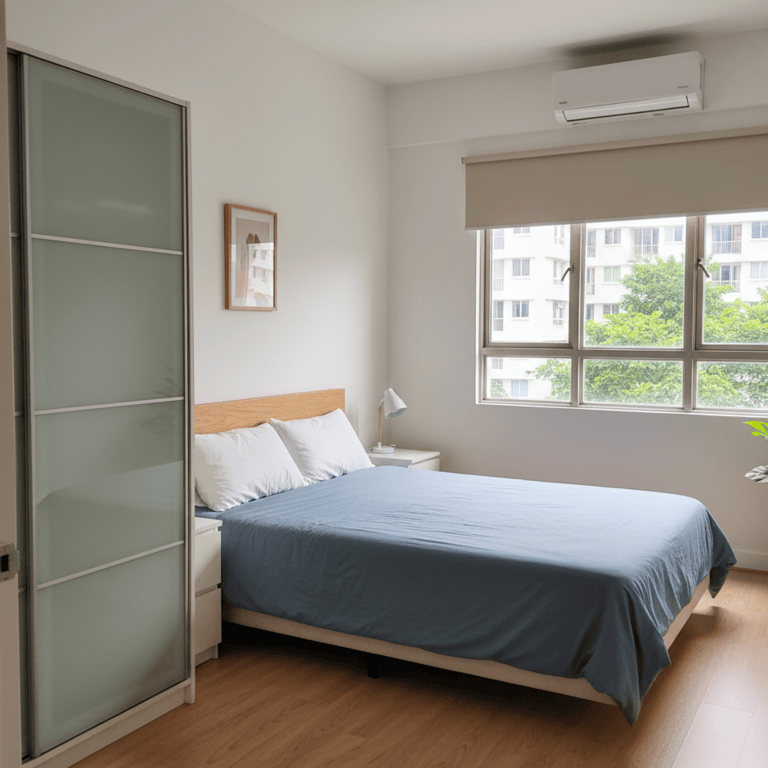
Most 4-bedroom units have one master bedroom with ensuite, and three smaller bedrooms sharing 1-2 additional bathrooms. Some premium units offer two master suites. Common areas typically include larger living/dining spaces and bigger kitchens to accommodate family needs. Check if bedrooms are clustered together or spread throughout the unit for privacy considerations.
You’ll likely enjoy space, privacy, and potential outdoor areas. You won’t share walls or floors with neighbors, so noise is less of an issue. It suits families, pet owners, or hobbies needing storage. In return, expect more maintenance involvement. Clarify responsibilities for gardens, drains, and exterior checks before signing the agreement.
Address cleanliness issues diplomatically by establishing clear cleaning schedules and standards upfront. Document problems with photos if needed, and discuss solutions rather than blame. Consider implementing a cleaning roster, shared cleaning supplies fund, or hiring occasional deep cleaning. If issues persist, involve the landlord or main tenant as mediator. Sometimes different cultural or personal standards require compromise and clear communication.
Condos often have specific rules about tenant behavior, pet policies, noise restrictions, and guest limitations. Some prohibit short-term rentals, have strict move-in procedures, or limit the number of occupants. Understand parking allocations, facility usage rights, and any restrictions on modifications. Violating condo rules can affect your tenancy even if your landlord approves certain activities.
Moving to a master room means adjusting to more space, privacy, and responsibility. You'll have your own bathroom to maintain, potentially higher utility bills, and may be expected to take more household coordination responsibilities. Consider whether you're ready for the lifestyle change, can afford the premium, and want the additional privacy. The transition often comes with both benefits and increased expectations from landlords and housemates.
Equal split is common, but consider room size differences and individual usage patterns. Master bedroom tenants might pay slightly more due to ensuite usage and larger space. Track air-con usage if one person uses it significantly more. Some roommates prefer separate electricity meters or smart plugs to monitor individual consumption for fairer billing.
Some noise might travel, yes. If the two bedrooms share a wall, you may hear talking or TV from the other room. Layouts that put bedrooms on opposite sides of the living room help. Also, newer buildings often have thicker walls.
While you're renting, understanding condo market trends can help predict rent stability and landlord behavior. Properties in high-demand areas with good resale prospects typically have more stable rents and better maintenance. However, rapidly appreciating properties may face higher rent increases at renewal. Consider the development's age, location, and market reputation when evaluating long-term rental viability.